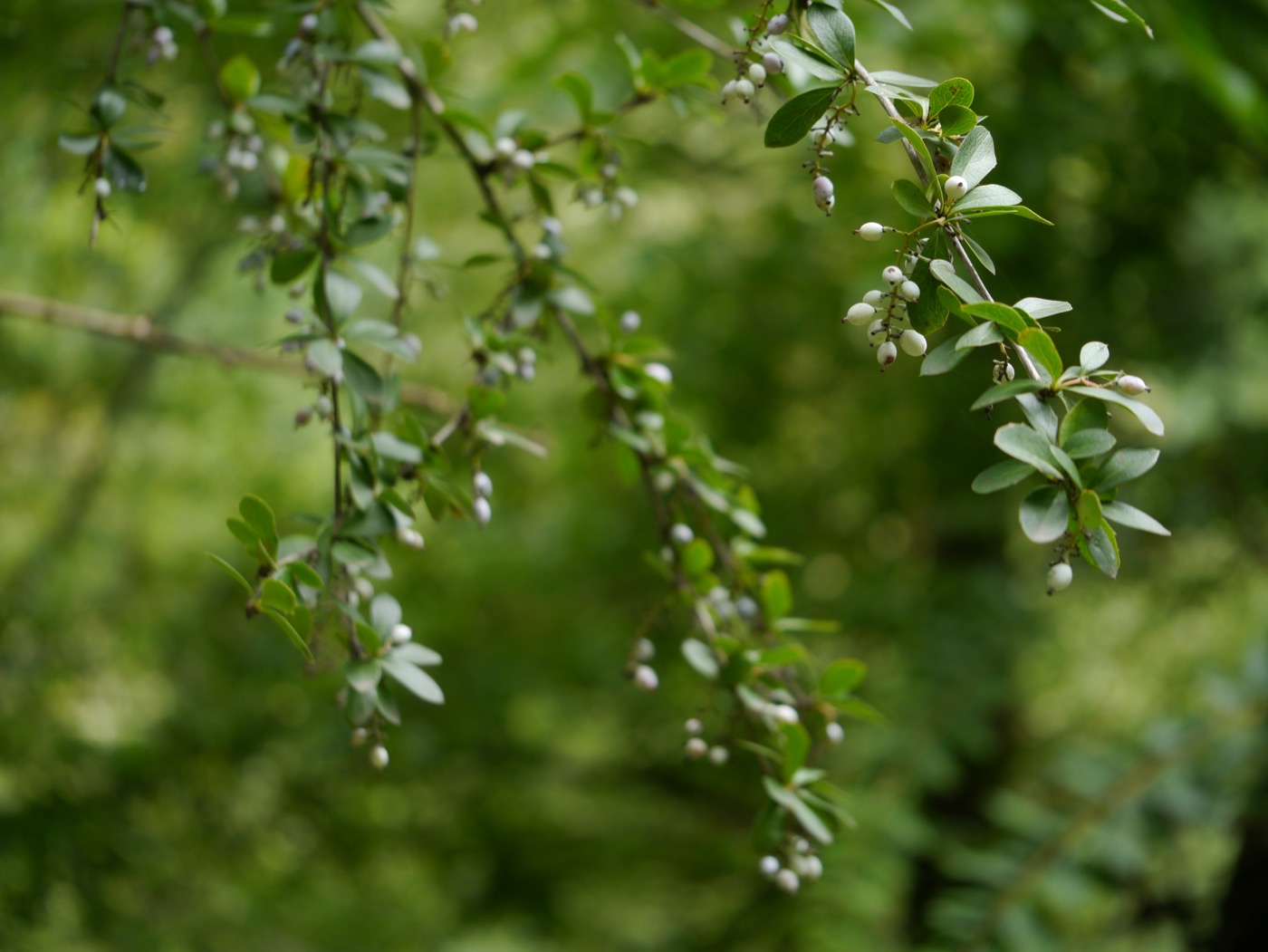
Daruharidra Extract (Berberis aristata)
Berberis aristata stem and root extract standardised to 5-20% berberine by HPLC, species-authenticated against the B. asiatica substitution common in the Daruharidra trade. Vegan, 25 kg drums.
Specifications
| Botanical source | Berberis aristata DC., family Berberidaceae, the official Daruharidra of the Ayurvedic Pharmacopoeia of India. Species authenticated before extraction and declared on the CoA. |
| Substitution risk | B. asiatica, B. chitria, B. lycium and Coscinium fenestratum all trade as Daruharidra; market surveys found most Indian commercial samples were B. asiatica, not B. aristata. |
| Part used | Dried stem and root/root bark. The API monograph specifies dried stem; root-inclusive material is supplied only where the customer's spec permits it. |
| Native alkaloid content | Published assays give about 3.55% berberine in authentic B. aristata root and 1.02-2.01% in stem, defining the realistic extraction yield window. |
| Standardisation grades | Berberine 5%, 10% or 20% by HPLC as standard; 60% enriched grade to order. Total alkaloids by titration available as an additional basis. |
| Marker and co-alkaloids | Berberine, a quaternary protoberberine isoquinoline alkaloid, cation CAS 2086-83-1. Palmatine, jatrorrhizine, berbamine and oxyacanthine also present. |
| Assay method | RP-HPLC, C18 column, acetonitrile with potassium dihydrogen phosphate buffer at pH 2.5, UV detection at 346 nm against a characterised berberine standard. |
| Extraction solvent | Food-grade ethanol and water. Residual solvents controlled to ICH Q3C Class 3 limits; no Class 1 or Class 2 solvents used. |
| Appearance and handling | Bright yellow to yellowish-brown fine powder, intensely bitter. A strong natural colourant that stains equipment and textiles; dust control advised on blending lines. |
| Solubility and particle size | Partly soluble in water, soluble in ethanol/water. NLT 95% through 80 mesh (approx. 180 micron) as standard. |
| Heavy metals | Lead NMT 3 ppm, arsenic NMT 1 ppm, cadmium NMT 1 ppm, mercury NMT 0.1 ppm by ICP-MS. Lead is tested every lot given documented elevation in market Daruharidra. |
| Microbiology | Total plate count NMT 10,000 cfu/g; yeast and mould NMT 1,000 cfu/g; E. coli, Salmonella and S. aureus absent. |
| Allergen, diet and origin status | Vegan and vegetarian, wholly plant-derived. No milk, egg, soy, fish, crustacean, gluten, peanut or tree-nut inputs. Non-GMO, non-irradiated. Halal and Kosher on request. |
| Regulatory note for buyers | EFSA draft opinion endorsed Jan 2026 set no safe berberine intake level (consultation 2 Mar-4 May 2026); ANSES opined in 2019; Belgium caps 10 mg/day. Check destination rules. |
| Shelf life | 24 months from manufacture in unopened original packing below 25 degrees C, protected from light. |
| HS code | 1302 19 19 |
Applications
Available grades
Berberine 5%, 10% and 20% by HPLC as standard, 60% enriched to order; total alkaloids by titration as an alternative basis; stem-only material per the API monograph, or stem-and-root where the customer spec allows; hydroalcoholic and water-extracted variants; spray-dried carrier grades; granulated grade for direct compression; NPOP, NOP and EU organic certified cultivated material available to order.
Related products
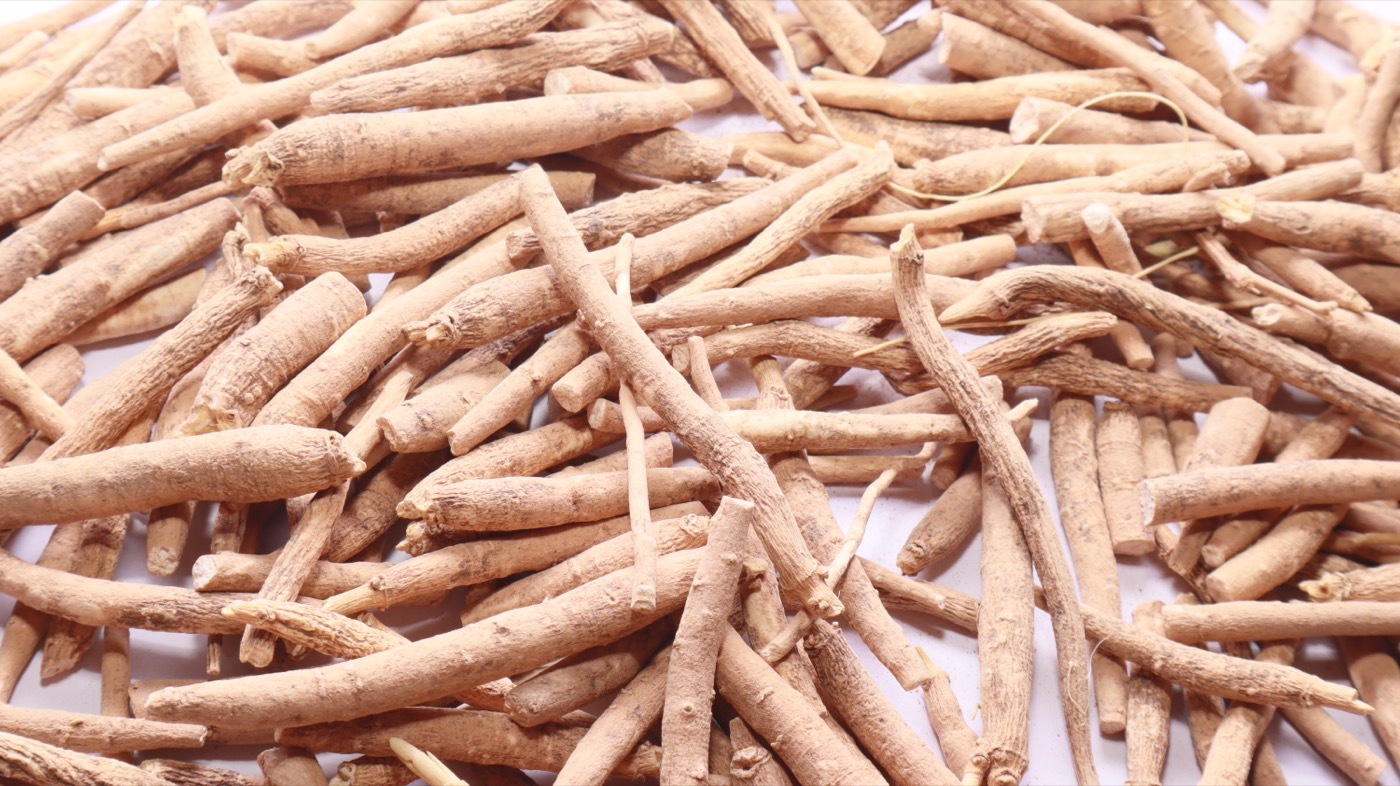
Ashwagandha Extract (Withania somnifera)
Hydro-alcoholic root extract of Withania somnifera standardised to 1.5–10% total withanolides by HPLC. Root-only material, vegan, bulk 25 kg export packing from India with batch COA.
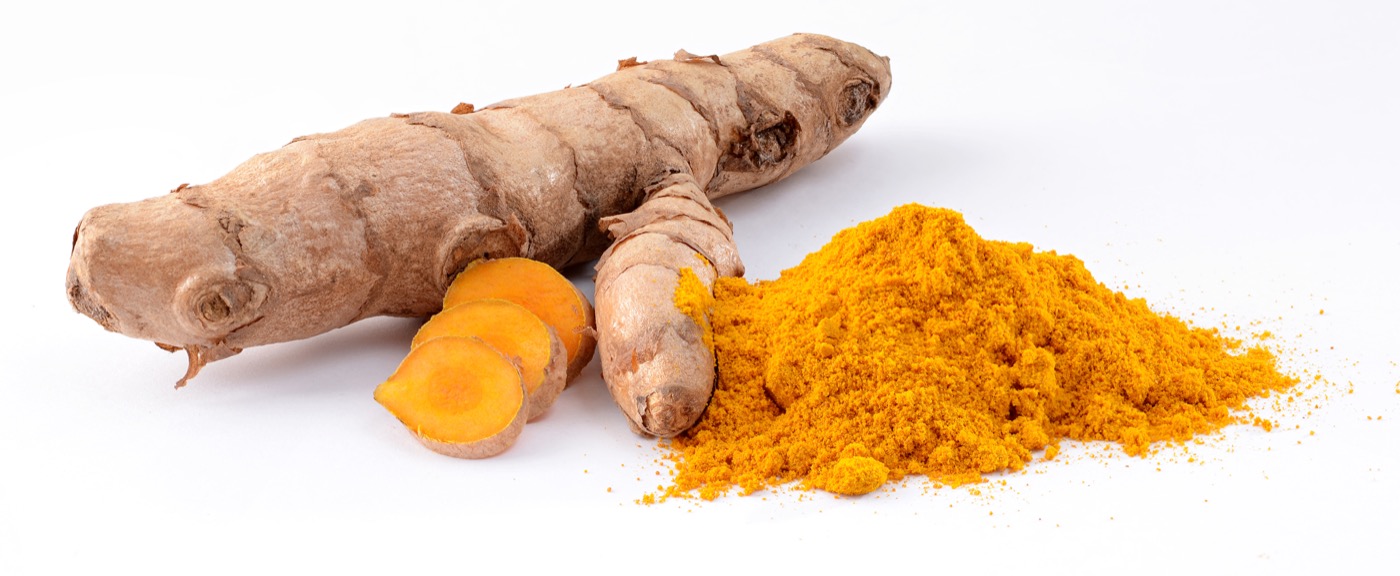
Turmeric Extract / Curcumin 95%
Purified Curcuma longa rhizome extract assaying NLT 95% total curcuminoids by HPLC, in USP curcumin / desmethoxy / bisdesmethoxy proportions. Orange-yellow crystalline powder, vegan.
Turmeric / Curcumin Extract
Standardized curcumin extract (up to 95% curcuminoids) for high-potency anti-inflammatory supplements.