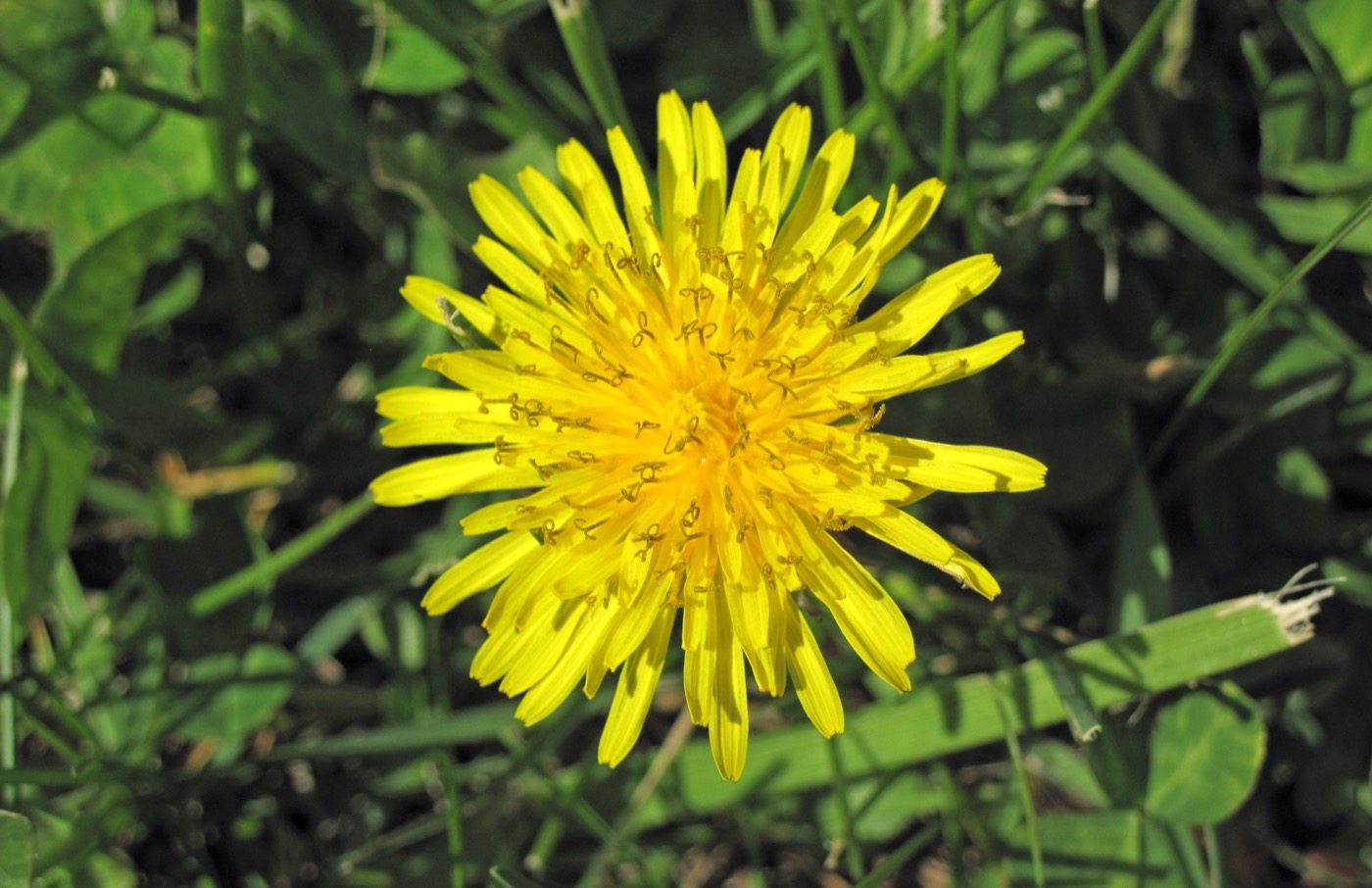
Dandelion Extract
Spray-dried Taraxacum officinale extract in bulk from India. Root grade standardised to 25% inulin, plus 4:1 and 10:1 native ratios and taraxasterol-assayed lots. Vegan and allergen-free.
Specifications
| Botanical source | Taraxacum officinale F.H. Wigg., family Asteraceae (Compositae). Species and plant part confirmed by macroscopy, microscopy and TLC before extraction. |
| Plant part | Root as standard (Taraxaci officinalis radix). Herb-with-root and leaf grades supplied to order; the three are separate articles and are not substituted. |
| Standardisation | Root grade at 25% inulin by HPLC; taraxasterol-assayed grades by GC on request; native ratio grades at 4:1 and 10:1. Grade fixed at order confirmation. |
| Inulin in the raw root | Season-dependent: reported at roughly 2% of the root in spring rising to about 40% in autumn, which is why a fixed assay rather than a native ratio is specified for fibre claims. |
| Characteristic constituents | Inulin and related fructans, taraxinic acid-type sesquiterpene lactones, taraxasterol and psi-taraxasterol, phytosterols, chlorogenic, caffeic and chicoric acids, flavonoids. |
| Appearance and mesh | Free-flowing powder, light to dark brown, characteristic earthy odour and pronounced bitter taste. Min. 95% through 80 mesh (approx. 180 microns). |
| Extraction and carrier | Water or ethanol-water extraction, vacuum concentrated, spray dried. Carrier-free or maltodextrin-carried; solvent and carrier stated on the COA. |
| Solubility | Largely water-soluble to water-dispersible; inulin-rich root grades disperse well in warm water. Slight sediment is normal. Not oil soluble. |
| Loss on drying and ash | LOD not more than 5.0%; total ash not more than 10.0%; acid-insoluble ash not more than 2.0%. |
| Heavy metals | Lead NMT 3.0 ppm, arsenic NMT 1.0 ppm, cadmium NMT 1.0 ppm, mercury NMT 0.1 ppm, by ICP-MS. |
| Microbiology | Total plate count NMT 10,000 cfu/g; yeast and mould NMT 500 cfu/g; E. coli, Salmonella and S. aureus absent in 10 g. |
| Allergen and dietary status | Vegan and vegetarian; plant origin, not bovine, porcine or marine. Free of milk, egg, soy, fish, crustacean, mollusc, peanut, tree nut, sesame, mustard, celery, lupin… |
| Family sensitivity note | Asteraceae (Compositae) botanical. Not a statutory declarable allergen, but brands often carry a voluntary Compositae cross-sensitivity statement on finished packs. |
| Shelf life, storage | 24 months unopened, below 25 C, RH under 60%, protected from light. |
| HS code | 13021919 (India ITC-HS) - vegetable saps and extracts, other, extracts, other |
Applications
Available grades
Root extract standardised to 25% inulin; taraxasterol-assayed root grade by GC; native ratio grades at 4:1 and 10:1; herb-with-root and leaf grades to order; conventional and certified-organic origin; carrier-free or maltodextrin-carried; food and nutraceutical grade.
Related products
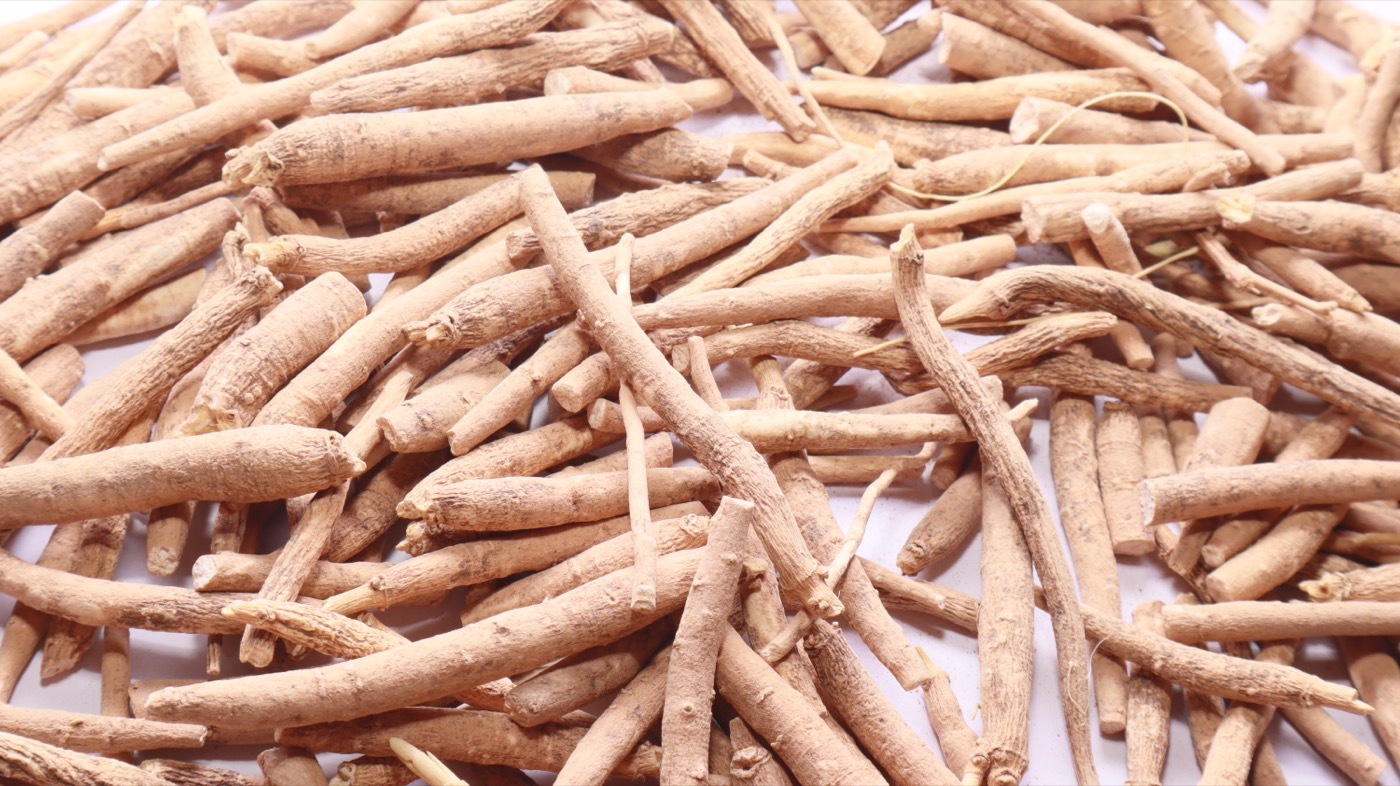
Ashwagandha Extract (Withania somnifera)
Hydro-alcoholic root extract of Withania somnifera standardised to 1.5–10% total withanolides by HPLC. Root-only material, vegan, bulk 25 kg export packing from India with batch COA.
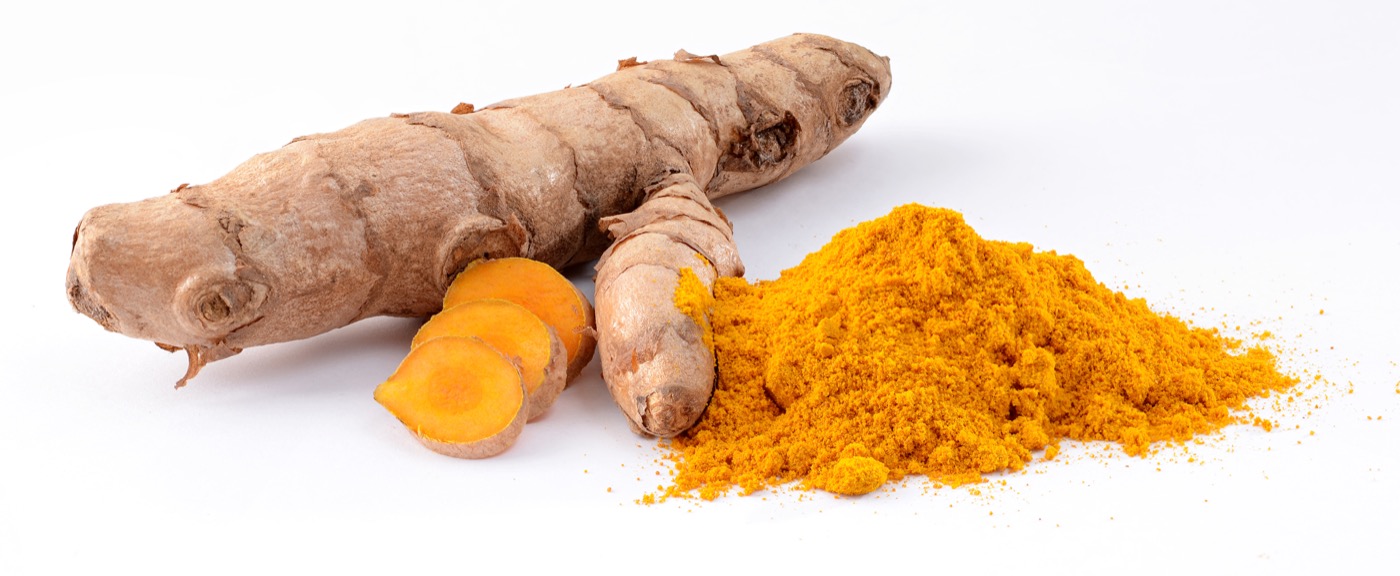
Turmeric Extract / Curcumin 95%
Purified Curcuma longa rhizome extract assaying NLT 95% total curcuminoids by HPLC, in USP curcumin / desmethoxy / bisdesmethoxy proportions. Orange-yellow crystalline powder, vegan.
Turmeric / Curcumin Extract
Standardized curcumin extract (up to 95% curcuminoids) for high-potency anti-inflammatory supplements.