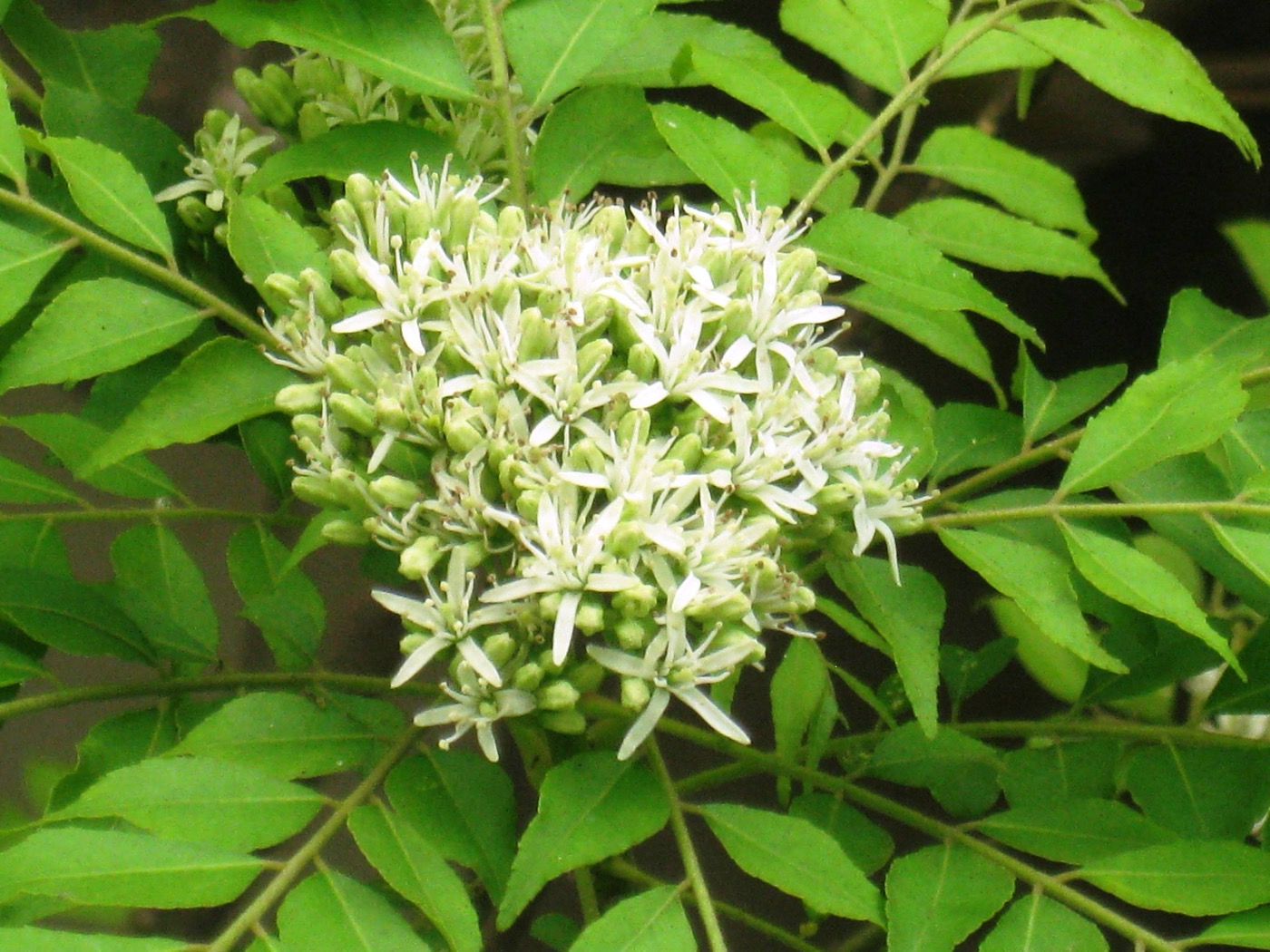
Curry Leaf Extract (Murraya koenigii)
Leaf extract of the curry tree, standardised either on carbazole alkaloids with mahanimbine as marker, or on naturally occurring iron. Also available as 4:1 to 20:1 native powder. Vegan.
Specifications
| Botanical source | Bergera koenigii L., Rutaceae (accepted name). Trade and pharmacopoeial name Murraya koenigii (L.) Spreng. Sweet neem, kadi patta, karivepaku. |
| Part used | Dried leaf and leaflets, hand-sorted and stem-free. Native to the Indian subcontinent, southern China and mainland Southeast Asia. |
| Do not confuse with | Curry powder, a compounded spice blend containing no curry leaf, and Helichrysum italicum, the ornamental "curry plant" (Asteraceae). |
| Alkaloid-standardised grade | Total carbazole alkaloids 2-10% by HPLC or HPTLC. Marker mahanimbine, CAS 21104-28-9, C23H25NO, MW 331.5. |
| Iron-standardised grade | Approximately 3% naturally occurring ferrous (iron II) compounds, near 1.1% elemental iron by ICP-OES. A distinct, non-substitutable article. |
| Native extraction ratios | 4:1, 10:1 and 20:1 unstandardised powders. Solvent water, hydro-ethanol or ethyl acetate, fixed to the buyer's solvent policy. |
| Other constituents | Koenimbine, mahanine, girinimbine; leaf volatiles include alpha-pinene, linalool, 1,8-cineole (eucalyptol) and myrcene. Leaf is rich in carotenoids. |
| Appearance and odour | Fine powder, light to dark green-brown depending on solvent and assay; characteristic pungent curry-leaf aroma. |
| Particle size | 98% through 80 mesh as standard; 100 mesh on request. |
| Loss on drying | NMT 5.0% (105 degrees C to constant weight). Total ash NMT 8.0% for iron-standardised grades. |
| Heavy metals | Lead NMT 3 ppm, arsenic NMT 1 ppm, cadmium NMT 1 ppm, mercury NMT 0.1 ppm. Iron is assayed as an active, not as a contaminant. |
| Microbiology | TPC NMT 10,000 cfu/g; yeast and mould NMT 500 cfu/g; E. coli, Salmonella and S. aureus absent in 10 g / 25 g. |
| Allergen and diet status | No milk, egg, soy, fish, crustacean, gluten or nut input. Vegan and vegetarian, plant origin, non-GMO. Rutaceae, but not a declarable allergen. |
| Shelf life, storage | 24 months unopened, below 25 degrees C, dry and protected from light. |
| HS code | 1302.19 (13021939) |
| HS code | 1302.19 (13021939) |
Applications
Available grades
Food and supplement grade as standard. Carbazole alkaloid grades 2%, 5% and 10% (mahanimbine marker, HPLC/HPTLC); natural iron grade at approximately 3% ferrous compounds / 1.1% elemental iron; native 4:1, 10:1 and 20:1 powders. Water-only extraction for clean-label and organic-certified programmes. Cosmetic grade and organic (NPOP/NOP/EU) certified material on request.
Related products
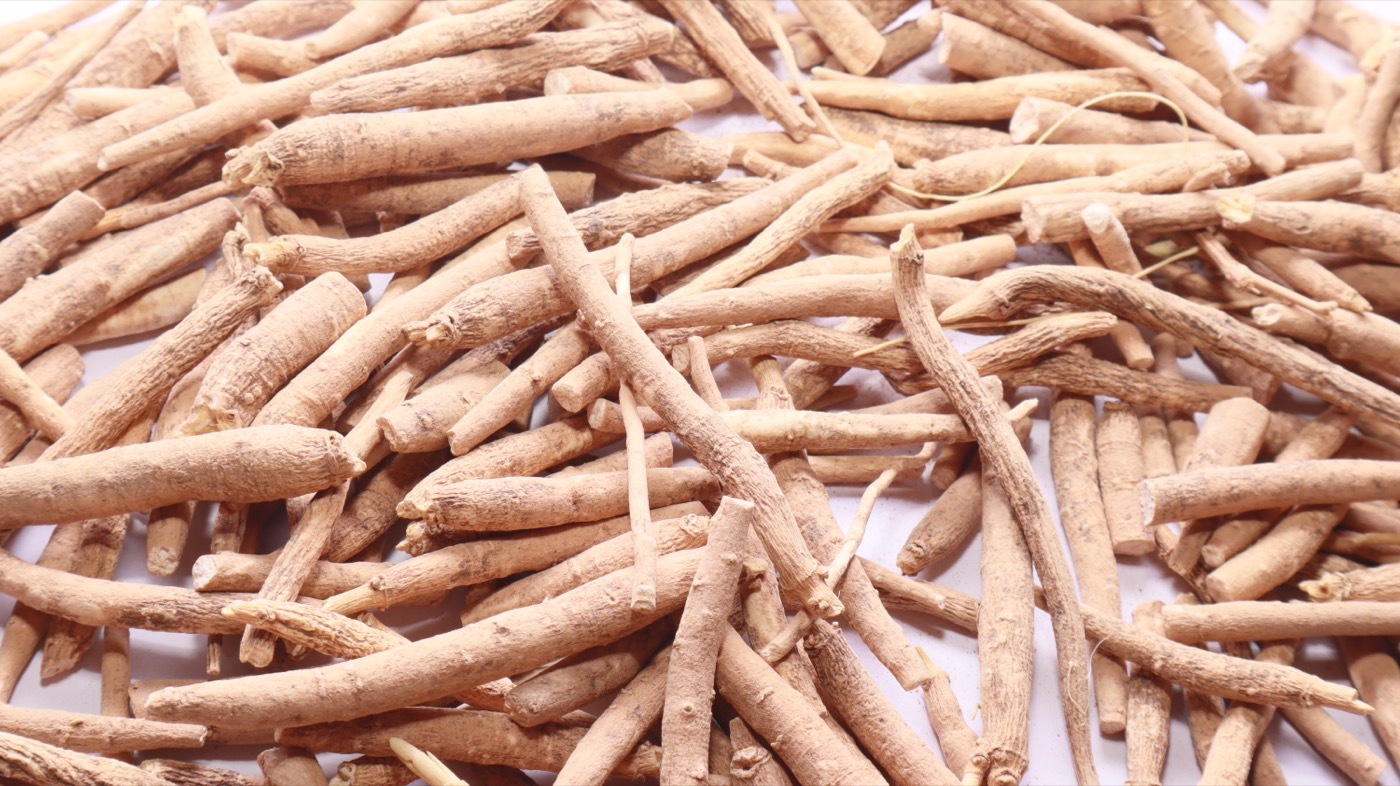
Ashwagandha Extract (Withania somnifera)
Hydro-alcoholic root extract of Withania somnifera standardised to 1.5–10% total withanolides by HPLC. Root-only material, vegan, bulk 25 kg export packing from India with batch COA.
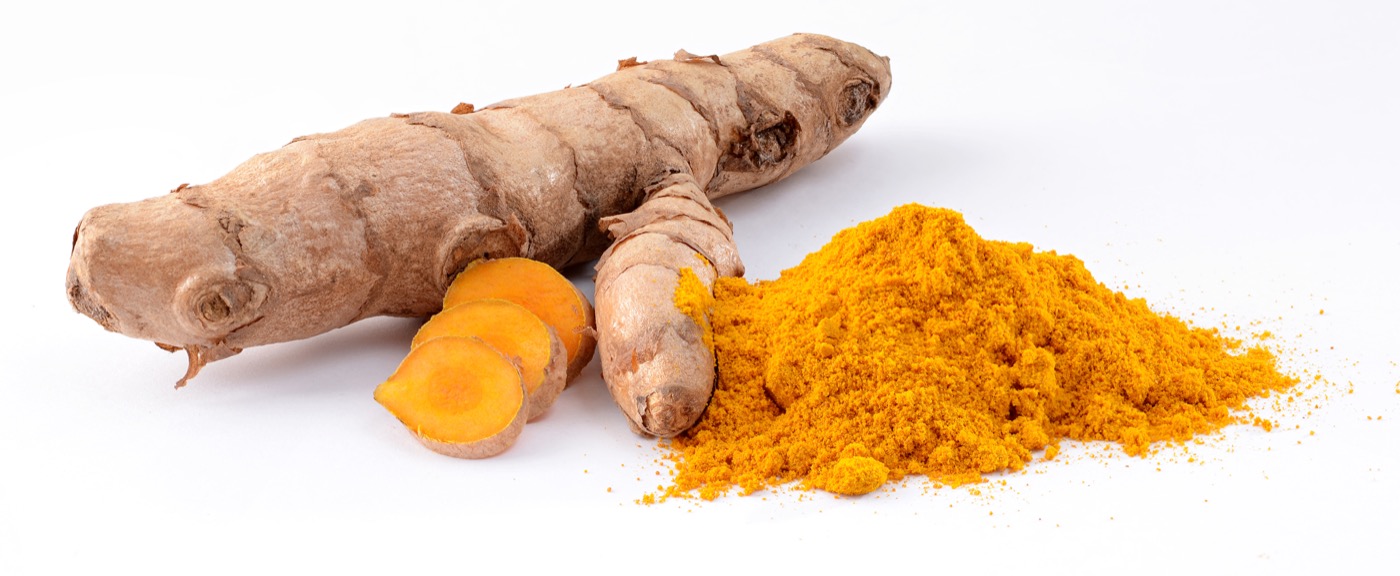
Turmeric Extract / Curcumin 95%
Purified Curcuma longa rhizome extract assaying NLT 95% total curcuminoids by HPLC, in USP curcumin / desmethoxy / bisdesmethoxy proportions. Orange-yellow crystalline powder, vegan.
Turmeric / Curcumin Extract
Standardized curcumin extract (up to 95% curcuminoids) for high-potency anti-inflammatory supplements.