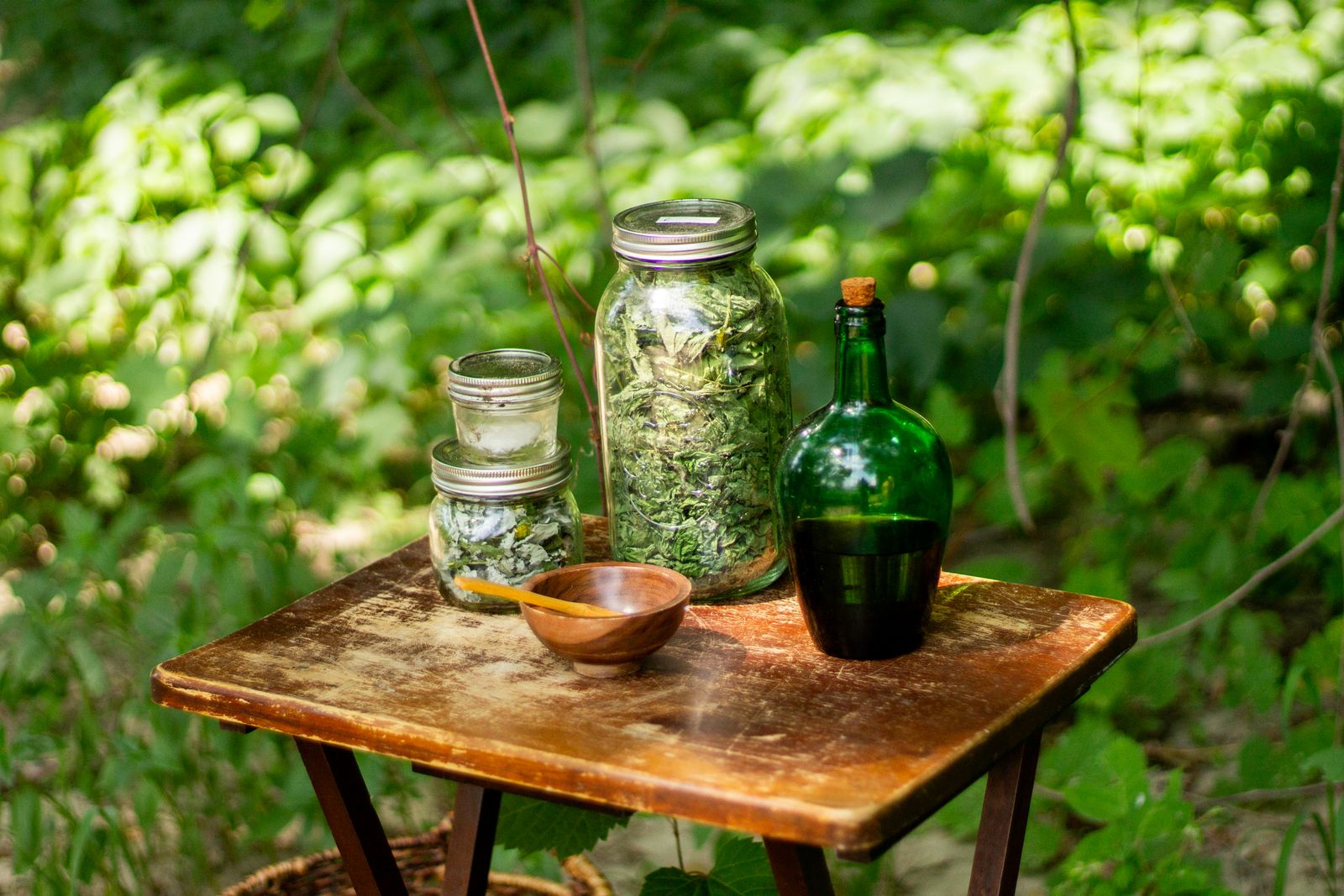
Curcumin + Piperine Blend
Blend of 95% curcuminoid turmeric extract with 95% piperine black pepper extract, ratio fixed to your specification and confirmed by HPLC on the finished blend. Vegan and allergen-free.
Specifications
| Composition | Two-component dry blend: Curcuma longa L. (Zingiberaceae) rhizome extract with Piper nigrum L. (Piperaceae) fruit extract. No carrier or excipient unless specified |
| Curcuminoid component | Total curcuminoids NLT 95.0% (HPLC). Curcumin CAS 458-37-7, C21H20O6, MW 368.38, approx. 75–80% of the fraction; demethoxycurcumin 15–20%; bisdemethoxycurcumin 3–5% |
| Piperine component | Black pepper extract, piperine NLT 95.0% by HPLC. Piperine CAS 94-62-2, C17H19NO3, MW 285.34, an amide alkaloid of the Piperaceae |
| Blend ratio | 100:1, 50:1 or 20:1 w/w curcuminoid extract to piperine extract, fixed per contract. Nominal piperine content follows from the ratio and is confirmed by assay |
| Blend uniformity | Finished blend assayed for both markers, not accepted on component certificates. Uniformity result issued per lot; critical at 100:1 where segregation risk is highest |
| Appearance and mesh | Free-flowing orange-yellow to yellow-brown powder, characteristic aromatic odour. 100% through 80 mesh typical; finer or granulated cuts to order |
| Solubility | Practically insoluble in water; soluble in ethanol, acetone and glacial acetic acid. Water-dispersible and self-emulsifying grades available for beverage use |
| Extraction and residual solvents | Turmeric by ethyl acetate, acetone or ethanol; pepper by ethanol or ethyl acetate. Solvent declared per lot; residuals within ICH Q3C Class 3 limits |
| Reference standards | USP Curcuminoids and FCC Curcumin apply to the turmeric component. As a colour, curcumin is E100 / INS 100(i); JECFA 2004 and EFSA 2010 ADI 0–3 mg/kg bw/day |
| Adulterant screening | Every lot screened negative for metanil yellow, Sudan dyes and lead chromate. Natural-origin confirmation by carbon-14 biobased content (ASTM D6866) on request |
| Contaminants and microbiology | Lead NMT 3 ppm, arsenic NMT 1 ppm, cadmium NMT 1 ppm, mercury NMT 0.1 ppm. TPC NMT 10,000 cfu/g; yeast and mould NMT 500 cfu/g; pathogens absent |
| Allergen and diet status | Vegan and vegetarian, wholly plant-derived, non-GMO. Free of milk, egg, soy, fish, crustacean, mollusc, peanut, tree nut, sesame, mustard, celery, lupin and gluten |
| Shelf life and storage | 24 months from manufacture in sealed original packing. Curcumin is light- and alkali-sensitive: store below 25 °C away from light, and formulate below pH 7 |
| HS code | 21069099 recommended; 13021919 arguable for an extract-only intermixture. Final classification rests with the importing customs authority |
Applications
Available grades
Standard blend at 100:1, 50:1 or 20:1 w/w curcuminoid extract to piperine extract; other ratios to contract. Curcuminoid component at NLT 95% total curcuminoids (HPLC); lower-assay 20:1 and 10:1 turmeric extract versions available where a lighter curcuminoid load is wanted. Water-dispersible and self-emulsifying grades for beverages. Organic-certified (NOP/EU) blend. Granulated grade for direct compression.
Related products
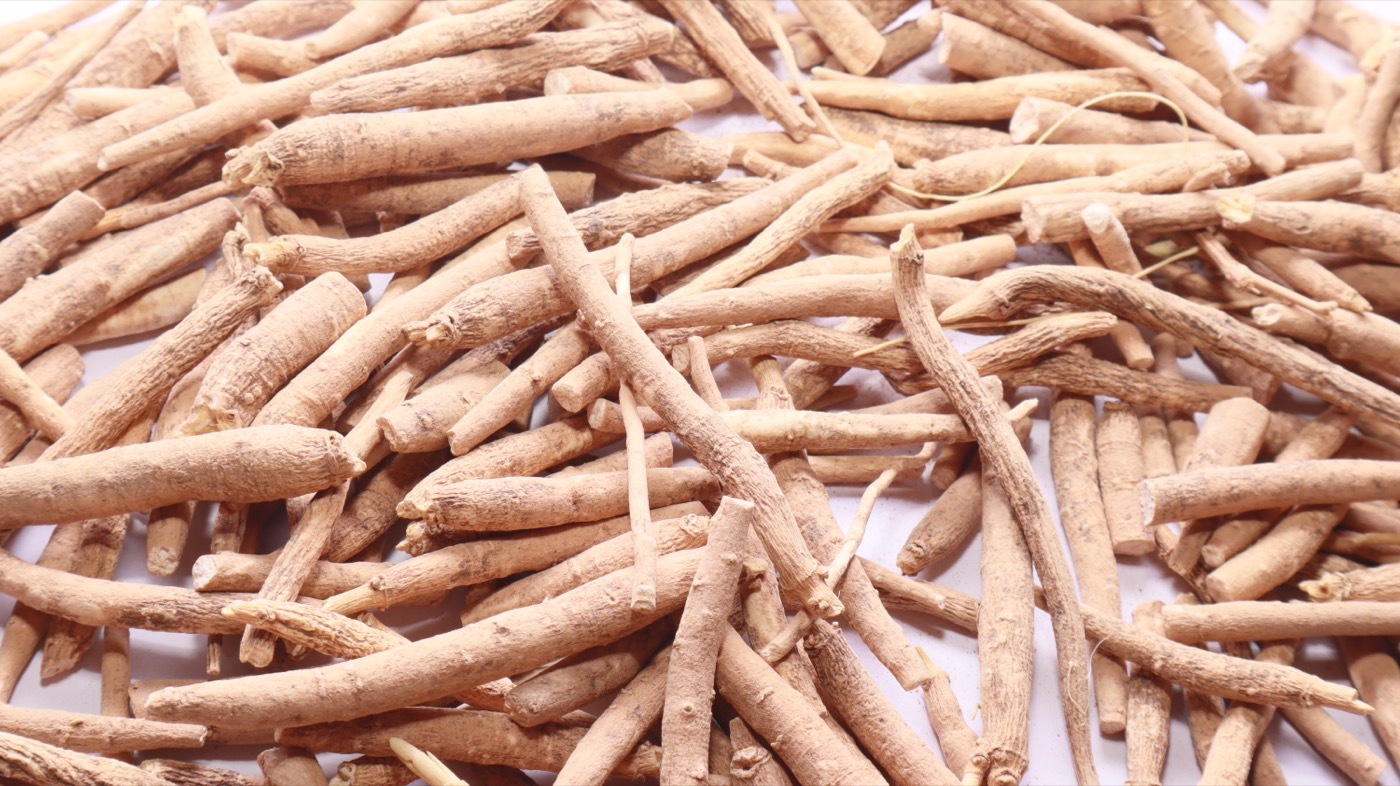
Ashwagandha Extract (Withania somnifera)
Hydro-alcoholic root extract of Withania somnifera standardised to 1.5–10% total withanolides by HPLC. Root-only material, vegan, bulk 25 kg export packing from India with batch COA.
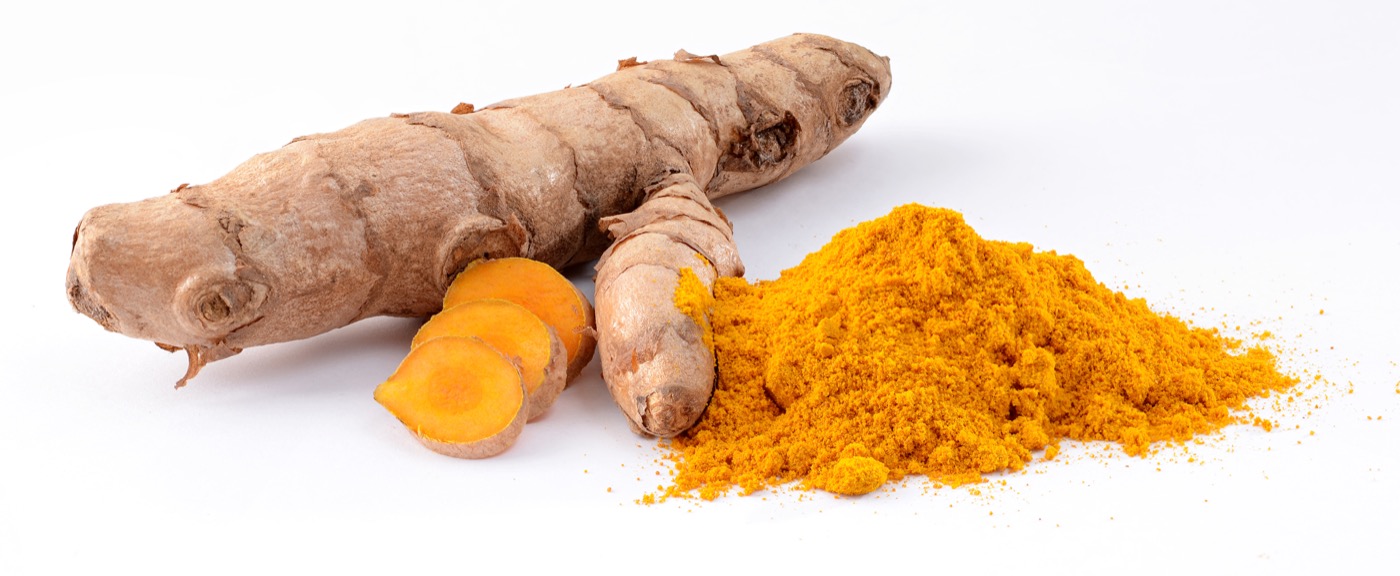
Turmeric Extract / Curcumin 95%
Purified Curcuma longa rhizome extract assaying NLT 95% total curcuminoids by HPLC, in USP curcumin / desmethoxy / bisdesmethoxy proportions. Orange-yellow crystalline powder, vegan.
Turmeric / Curcumin Extract
Standardized curcumin extract (up to 95% curcuminoids) for high-potency anti-inflammatory supplements.