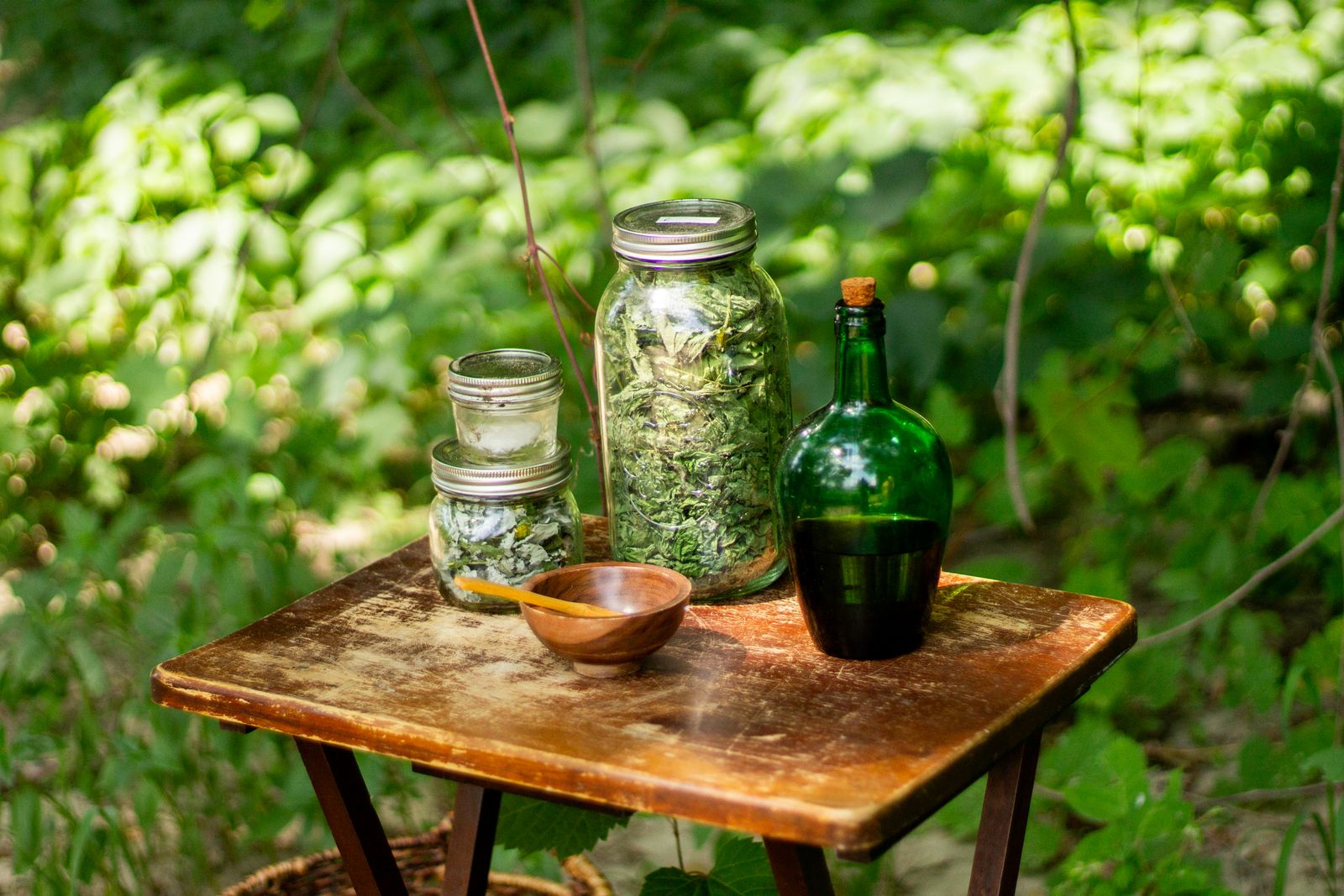
Curcumin Phospholipid Complex
Curcuminoid–phosphatidylcholine complex at 18–22% total curcuminoids, on sunflower lecithin as standard for a soy-free declaration. Dispersible orange-yellow powder, bulk from India.
Specifications
| Composition | Curcuminoid–phospholipid complex: Curcuma longa L. rhizome extract co-processed with phosphatidylcholine-rich lecithin, dried onto microcrystalline cellulose |
| Standardisation | Total curcuminoids 18–22% by HPLC, typically 20% on the finished complex. Assay is on the complex, not on the turmeric extract input |
| Complexation ratio | Curcuminoids to phospholipid nominally 1:2 by weight; phospholipid load approx. 40% of the finished powder, microcrystalline cellulose to 100% |
| Curcuminoid identity | Curcumin CAS 458-37-7, C21H20O6, MW 368.38, with demethoxycurcumin and bisdemethoxycurcumin. Curcuminoid ratio reported per lot |
| Phospholipid source | Sunflower lecithin as standard (soy-free). Soya lecithin grade on request. No egg-derived phospholipid is used in any grade |
| Allergen declaration | Sunflower grade: free of all 14 EU allergens. Soya grade: soya lecithin is NOT exempt under Reg. 1169/2011 Annex II and must be declared as containing soya |
| Diet and origin status | Vegan and vegetarian. Wholly plant-derived: no bovine, porcine, marine, milk, egg or crustacean input at any stage. Non-GMO; IP-certified lecithin on request |
| Appearance and mesh | Free-flowing orange-yellow to brownish-yellow powder with a faint lecithin note. 100% through 60 mesh typical; softer and more cohesive than a dry 95% extract |
| Dispersibility | Disperses in warm water to a colloidal suspension; does not form a true solution. Soluble in ethanol. Hygroscopic — keep liners sealed after part use |
| Loss on drying and residuals | Loss on drying NMT 5.0%. Residual solvents within ICH Q3C Class 3 limits, solvent declared per lot. Bulk density typically 0.30–0.50 g/mL |
| Additive and intake references | Curcumin E100 / INS 100(i), lecithin E322, cellulose E460(i). JECFA 2004 and EFSA 2010 ADI for curcumin 0–3 mg/kg bw/day — size servings on curcuminoid content |
| Contaminants and microbiology | Lead NMT 3 ppm, arsenic NMT 1 ppm, cadmium NMT 1 ppm, mercury NMT 0.1 ppm. TPC NMT 10,000 cfu/g; yeast and mould NMT 500 cfu/g; pathogens absent |
| Shelf life and storage | 24 months from manufacture in sealed original packing. Store below 25 °C in a dry place away from direct light; light- and alkali-sensitive |
| HS code | 21069099 — food preparations not elsewhere specified, other. Final classification rests with the importing customs authority |
Applications
Available grades
Standard complex at 18–22% total curcuminoids (typically 20%) on sunflower lecithin; soya lecithin grade on request at lower cost, with the soya allergen declared. Organic-certified (NOP/EU) grade using organic turmeric extract and organic sunflower lecithin. Granulated grade for direct compression. Non-cellulose grade with an alternative carrier for label-simplification projects, subject to minimum order.
Related products
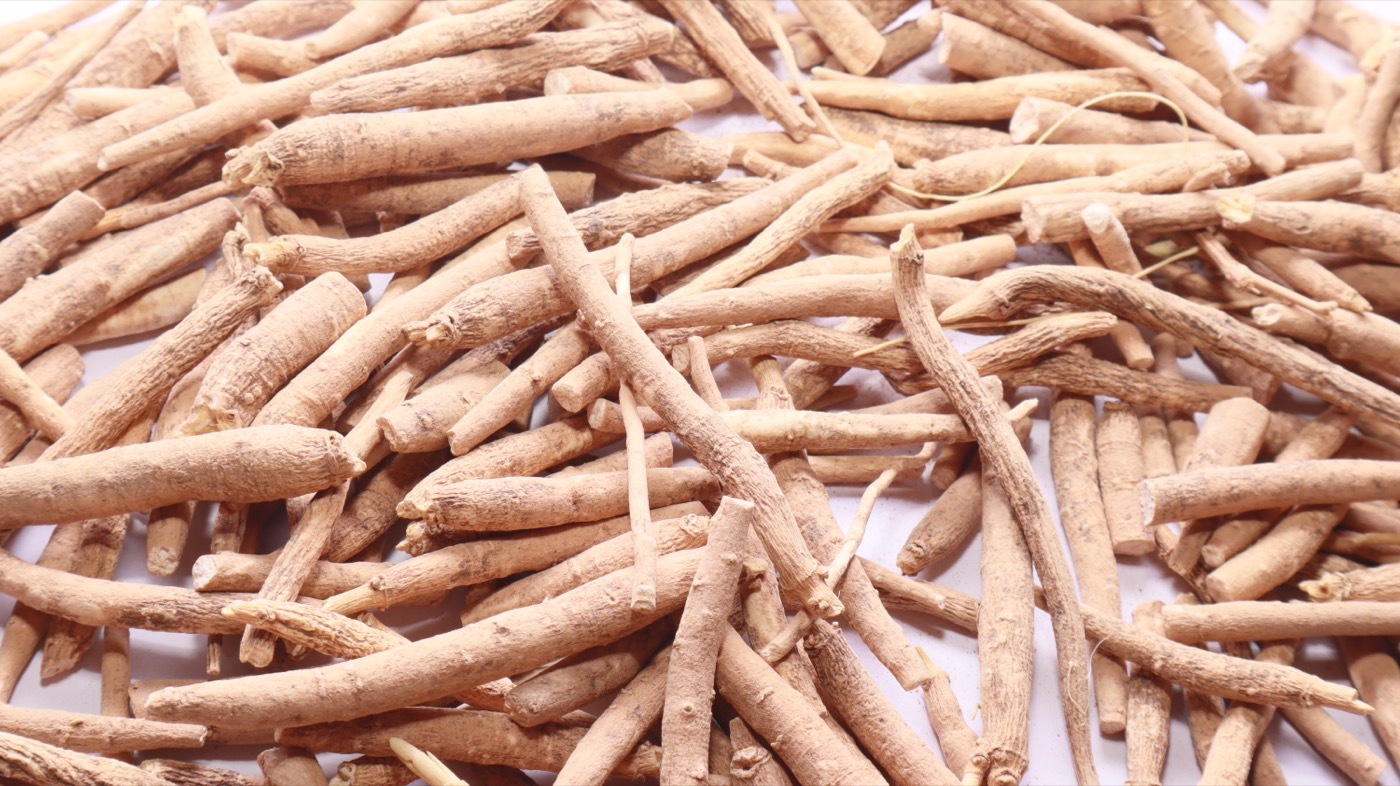
Ashwagandha Extract (Withania somnifera)
Hydro-alcoholic root extract of Withania somnifera standardised to 1.5–10% total withanolides by HPLC. Root-only material, vegan, bulk 25 kg export packing from India with batch COA.
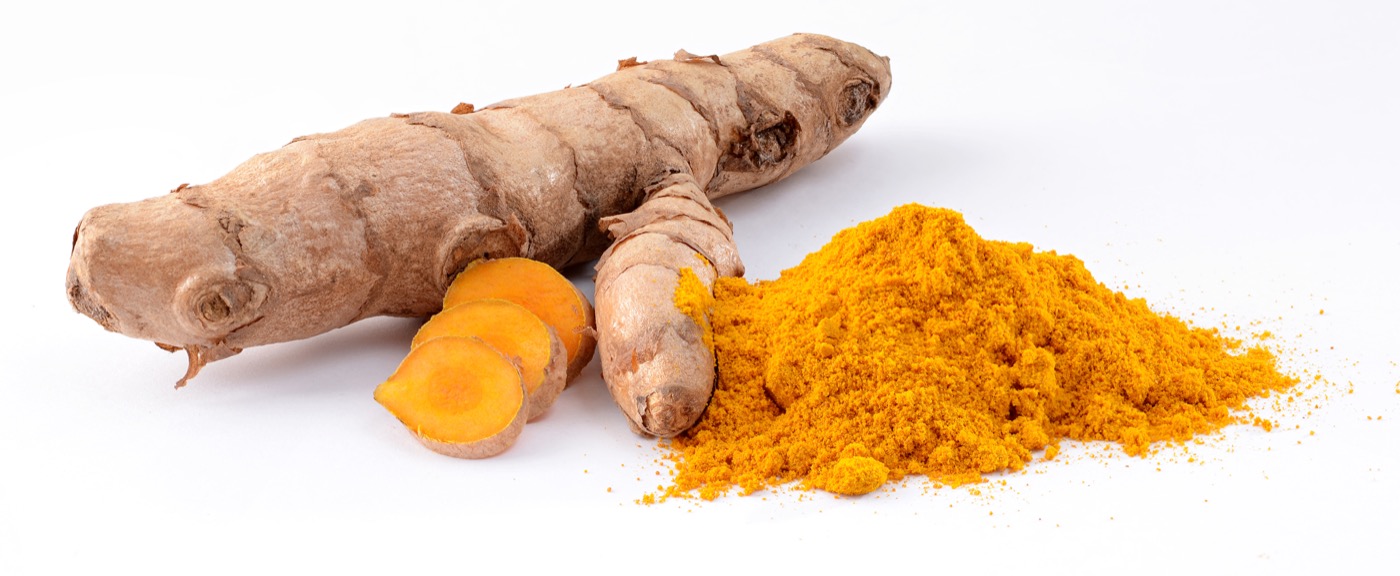
Turmeric Extract / Curcumin 95%
Purified Curcuma longa rhizome extract assaying NLT 95% total curcuminoids by HPLC, in USP curcumin / desmethoxy / bisdesmethoxy proportions. Orange-yellow crystalline powder, vegan.
Turmeric / Curcumin Extract
Standardized curcumin extract (up to 95% curcuminoids) for high-potency anti-inflammatory supplements.