Cordyceps Extract
Cultivated Cordyceps militaris fruiting-body extract standardised to 20–30% beta-glucan by enzymatic assay with 0.2–0.3% cordycepin by HPLC. Carrier-free, vegan on rice substrate. 25 kg export packing from India.
Specifications
| Fungal identity | Cordyceps militaris (L.) Fr., Fam. Cordycipitaceae, order Hypocreales. Cultivated fruiting body. Ophiocordyceps sinensis and Samsoniella hepiali grades quoted separately |
| Part used | Whole cultivated fruiting body (orange club-shaped stroma), harvested and separated from the substrate before extraction. Mycelium-on-grain is not supplied as the default article |
| Standardisation | Beta-glucan 20%, 25% or 30% minimum by enzymatic assay; cordycepin 0.2% or 0.3% by HPLC. Adenosine and ergosterol quantified on request for Cs-4-type grades |
| Marker compounds | Cordycepin (3'-deoxyadenosine) CAS 73-03-0, C10H13N5O3, MW 251.24; adenosine CAS 58-61-7, C10H13N5O4; ergosterol CAS 57-87-4 as fungal-biomass marker |
| Extraction and ratio | Hot-water extract or dual water/ethanol extract, 8:1 to 10:1 native ratio, vacuum concentrated and spray or vacuum dried. Carrier-free unless a carrier is specified on the order |
| Glucan method note | Beta-glucan declared as enzymatic total glucan minus alpha-glucan (Megazyme K-YBGL principle). Crude precipitation polysaccharide figures include starch and are not equivalent |
| Appearance and mesh | Light to dark brown, free-flowing fine powder with characteristic fungal odour and faintly bitter taste. 95% minimum through 80 mesh; finer cuts available |
| Solubility | Hot-water fraction disperses readily in warm water to a slightly hazy solution; dual extracts leave a small ethanol-soluble residue. Not fully soluble in cold water |
| Loss on drying and ash | Loss on drying NMT 5.0%; total ash NMT 5.0%. Residual ethanol on dual extracts within ICH Q3C and USP <467> Class 3 limits. Hygroscopic; keep sealed |
| Contaminant limits | Lead NMT 2 ppm, arsenic NMT 1 ppm, cadmium NMT 1 ppm, mercury NMT 0.1 ppm. Fungi bioaccumulate metals, so cadmium and arsenic are tested lot by lot |
| Microbiology | Total plate count NMT 10,000 cfu/g; yeast and mould NMT 500 cfu/g; E. coli, Salmonella and S. aureus absent. Irradiation and ETO status declared on the COA |
| Allergen and diet status | Vegan and vegetarian on rice or plant-protein substrate. Gluten-free. Free of milk, egg, soy, fish, crustacean, mollusc, peanut, tree nut and sesame. Non-GMO |
| Substrate and origin note | Silkworm-pupae supplementation, used by some producers to lift yield, is an insect input and voids vegan status. Wild O. sinensis contains the host moth larva and never qualifies |
| Shelf life, storage | 24 months in sealed original packing below 25 °C, dry and away from direct light. |
| HS code | 1302.19 (13021991) — vegetable saps and extracts, other. India 8-digit under 1302 19 to be confirmed against the CBIC First Schedule; could not be verified from an authoritative source this session, so do not print an 8-digit Indian line until it is. |
| HS code | 1302.19 (13021991) — vegetable saps and extracts, other. India 8-digit under 1302 19 to be confirmed against the CBIC First Schedule… |
Applications
Available grades
Beta-glucan 20%, 25% and 30% minimum by enzymatic assay; cordycepin 0.2% and 0.3% by HPLC, with enriched cordycepin grades on enquiry; 8:1 and 10:1 native hot-water extracts; dual water/ethanol extracts where an alcohol-soluble fraction is wanted; Ophiocordyceps sinensis-type and Samsoniella hepiali (Cs-4-type) fermented mycelium grades for EU-bound food supplement use; instantised and granulated cuts for stick packs and beverages; organic-certified (NOP/EU) subject to certified substrate availability.
Related products
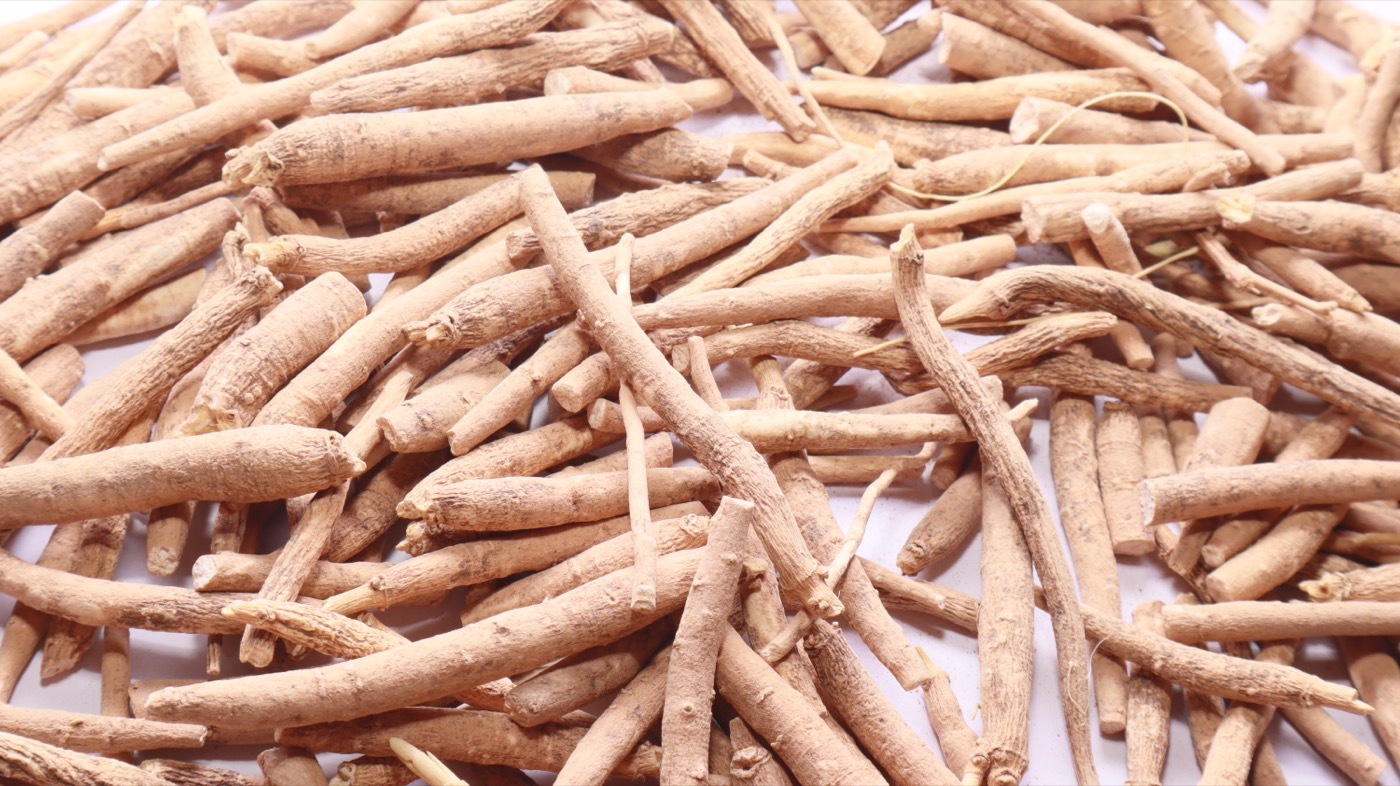
Ashwagandha Extract (Withania somnifera)
Hydro-alcoholic root extract of Withania somnifera standardised to 1.5–10% total withanolides by HPLC. Root-only material, vegan, bulk 25 kg export packing from India with batch COA.
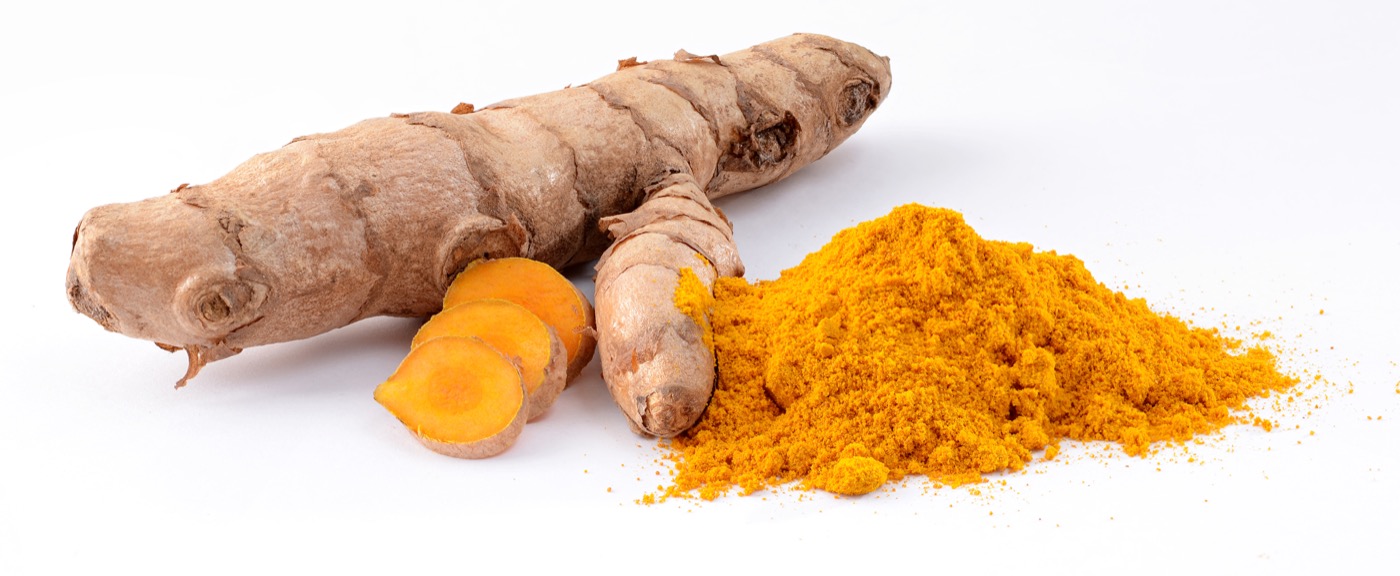
Turmeric Extract / Curcumin 95%
Purified Curcuma longa rhizome extract assaying NLT 95% total curcuminoids by HPLC, in USP curcumin / desmethoxy / bisdesmethoxy proportions. Orange-yellow crystalline powder, vegan.
Turmeric / Curcumin Extract
Standardized curcumin extract (up to 95% curcuminoids) for high-potency anti-inflammatory supplements.