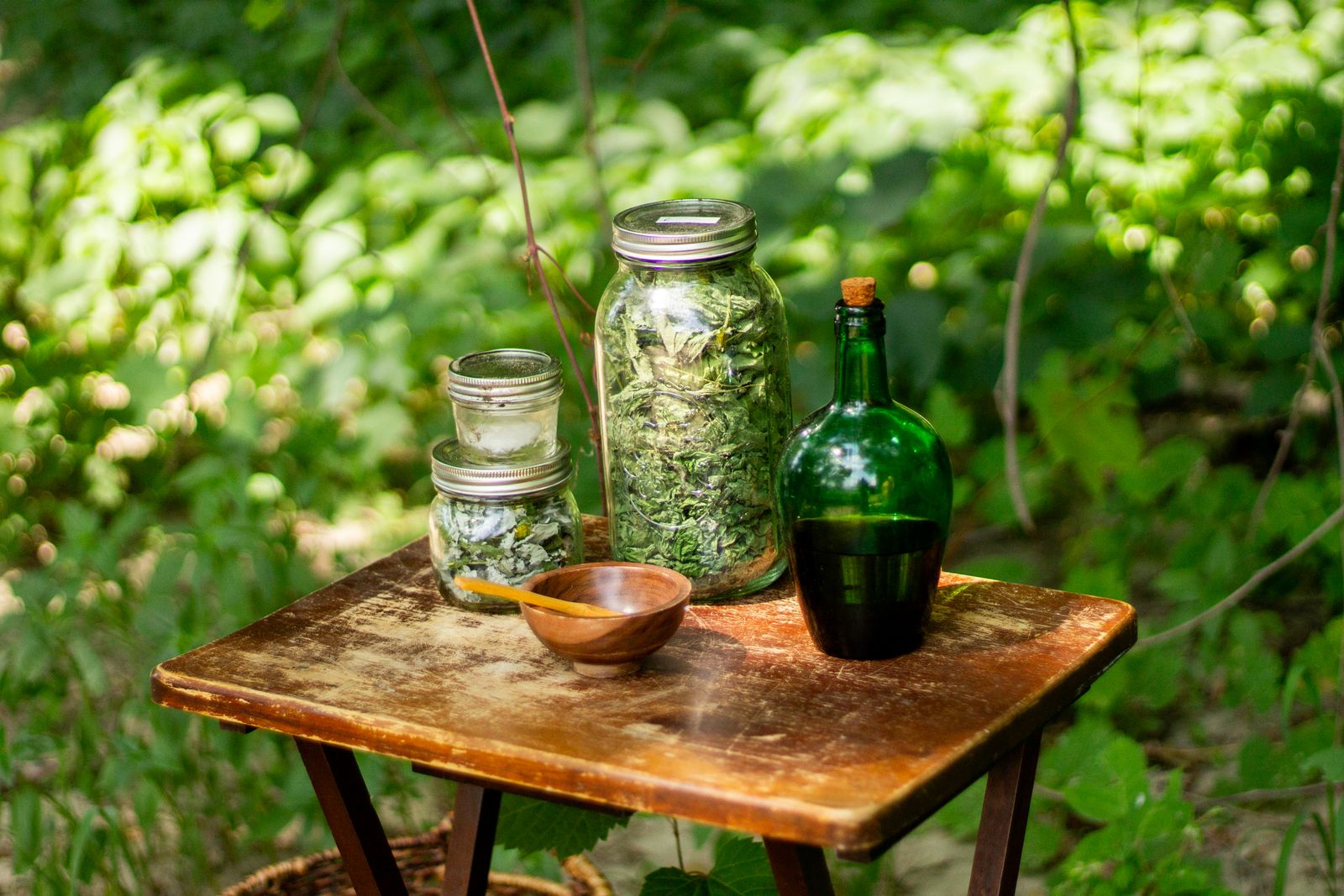
Citrus Bioflavonoids (Hesperidin)
Citrus bioflavonoids from Citrus aurantium and Citrus sinensis peel, supplied as purified hesperidin at 90-95% HPLC or as a 25-60% bioflavonoid complex. Vegan, non-GMO.
Specifications
| Chemical identity | Hesperidin, hesperetin-7-O-rutinoside; a flavanone glycoside of the citrus bioflavonoid group |
| CAS number | 520-26-3 |
| Formula and molecular weight | C28H34O15; 610.56 g/mol |
| Botanical source | Dried peel and immature fruit of Citrus aurantium L. and Citrus sinensis (L.) Osbeck (Rutaceae) |
| Purified grades | Hesperidin NLT 90.0%, 92.0% or 95.0% by HPLC on the dried basis |
| Complex grades | Citrus bioflavonoid complex at 25%, 40%, 50% or 60% total bioflavonoids calculated as hesperidin, with naringin and narirutin present |
| Appearance | Off-white to light yellow fine crystalline powder, faintly bitter taste, practically odourless |
| Melting range | 258 to 262 degrees C, softening from approximately 252 degrees C |
| Solubility | Very poorly soluble in water, about 1 g in 50 L; slightly soluble in ether, acetone, chloroform, benzene; soluble in dilute alkali, DMSO and formamide |
| Particle size | 100% through 80 mesh standard; micronised grade available for content uniformity in low-dose blends |
| Loss on drying / ash | Loss on drying NMT 5.0%; sulphated ash NMT 2.0% |
| Residual solvents | Ethanol and methanol controlled to ICH Q3C class limits; no chlorinated solvents used in manufacture |
| Heavy metals and microbiology | Pb NMT 3 ppm, As NMT 2 ppm, Cd NMT 1 ppm, Hg NMT 0.1 ppm. TPC NMT 1,000 cfu/g; yeast and mould NMT 100 cfu/g; Salmonella and E. coli absent |
| Allergen and diet status | Vegan, vegetarian, non-GMO. No milk, egg, soy, fish, crustacean, peanut, tree nut or gluten. Citrus is not a listed major allergen; origin declared on CoA |
| Shelf life | 36 months from manufacture in sealed original packaging, cool and dry. |
| HS code | 29389090 for purified hesperidin |
Applications
Available grades
Purified hesperidin at 90%, 92% and 95% HPLC. Micronised hesperidin for content uniformity and faster wetting. Citrus bioflavonoid complex at 25%, 40%, 50% and 60% total bioflavonoids as hesperidin. Water-dispersible and carrier-borne grades for beverage and sachet work. Kosher and halal certified lots; conventional and organic-certified peel origin available on advance booking. Custom mesh and assay combinations quoted against buyer specification.
Related products
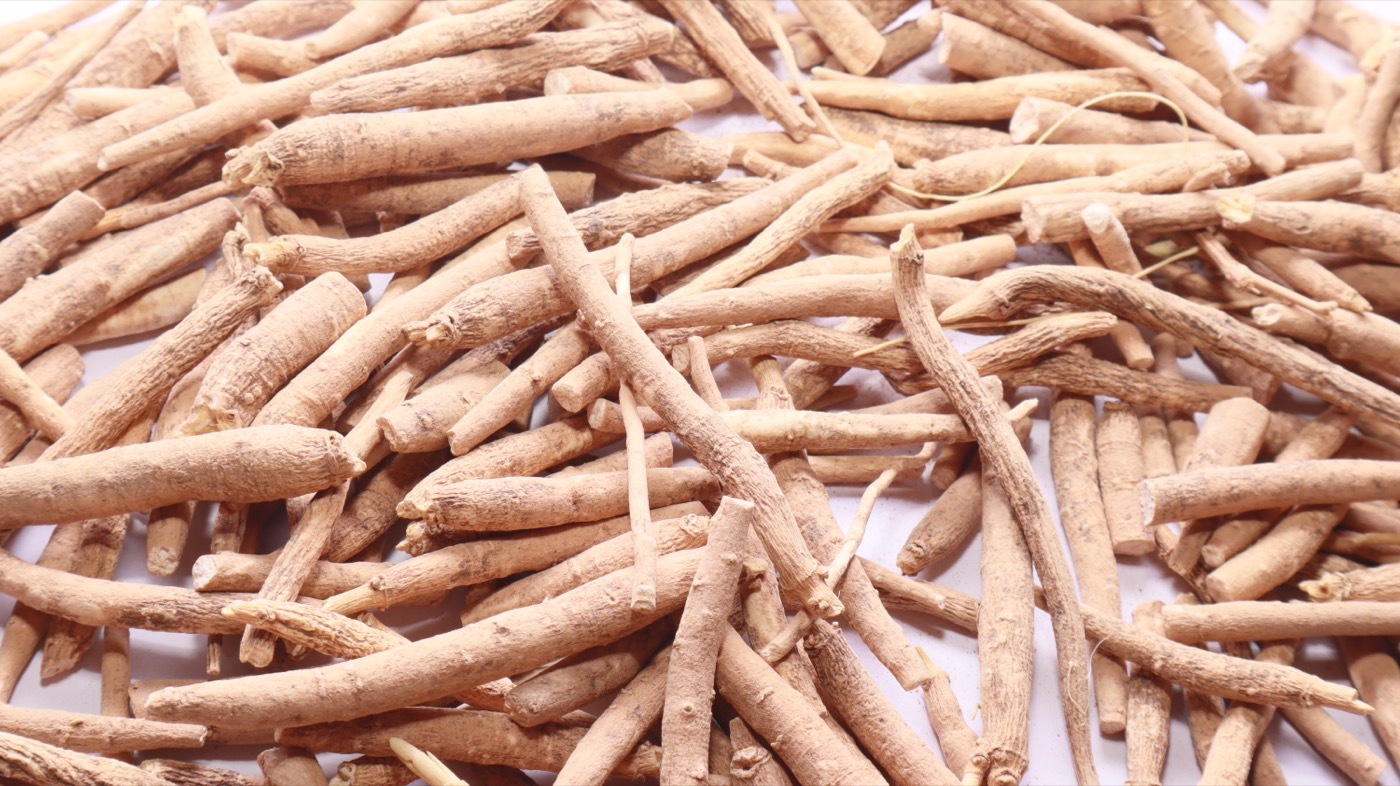
Ashwagandha Extract (Withania somnifera)
Hydro-alcoholic root extract of Withania somnifera standardised to 1.5–10% total withanolides by HPLC. Root-only material, vegan, bulk 25 kg export packing from India with batch COA.
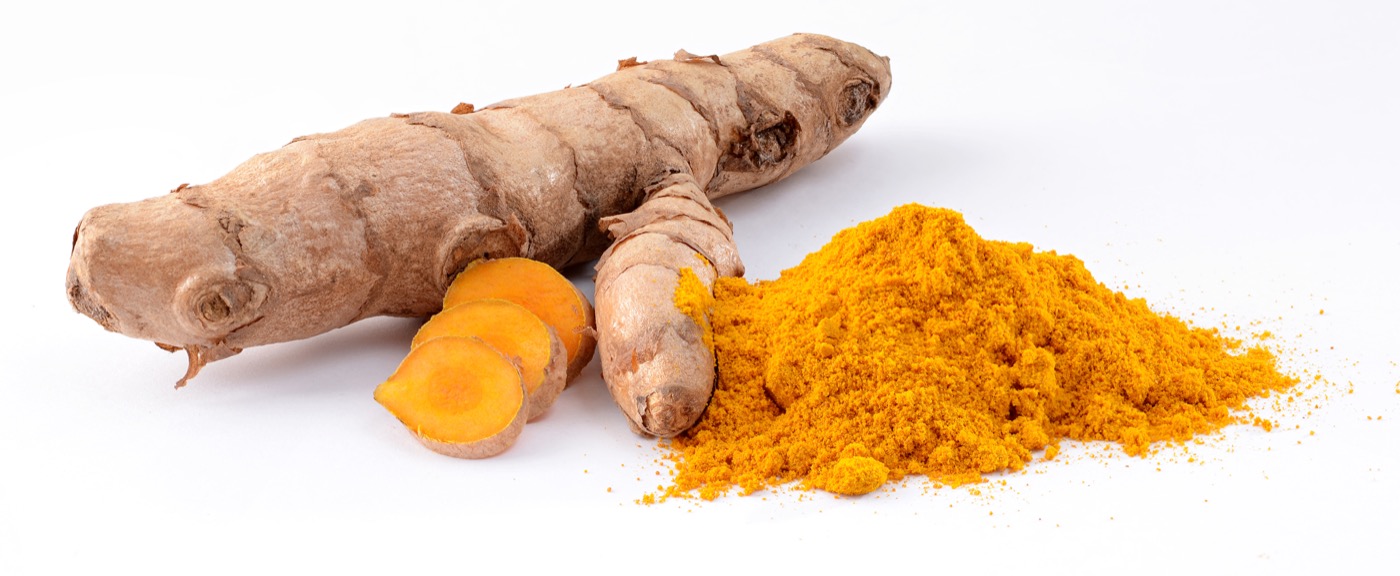
Turmeric Extract / Curcumin 95%
Purified Curcuma longa rhizome extract assaying NLT 95% total curcuminoids by HPLC, in USP curcumin / desmethoxy / bisdesmethoxy proportions. Orange-yellow crystalline powder, vegan.
Turmeric / Curcumin Extract
Standardized curcumin extract (up to 95% curcuminoids) for high-potency anti-inflammatory supplements.