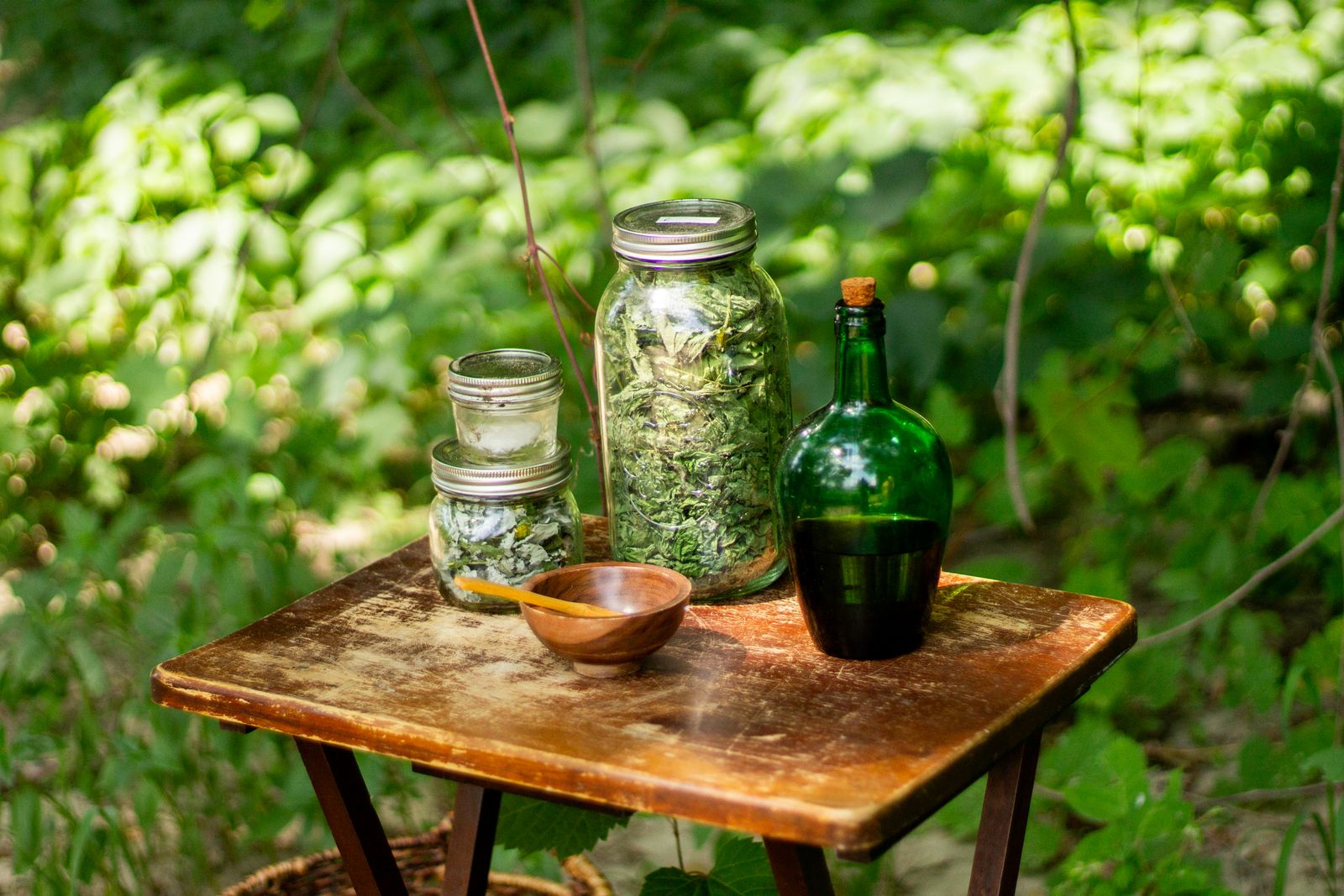
Chlorella Powder
Whole dried freshwater green microalga with the cell wall mechanically ruptured to NLT 95%. Standardised to NLT 55% protein and NLT 1.5% chlorophyll. Vegan, allergen free, cultivation route declared per lot.
Specifications
| Biological source | Chlorella vulgaris Beijerinck or Auxenochlorella pyrenoidosa (formerly Chlorella pyrenoidosa), unicellular freshwater green microalgae. Species fixed at order. |
| Material and cultivation route | Whole dried biomass. Photoautotrophic (open pond or photobioreactor) or heterotrophic (fermenter on a cane or corn glucose feed); route declared per lot. |
| Cell wall disruption | NLT 95% of cells ruptured by bead milling or pressure homogenisation, checked microscopically. The native cellulosic wall is otherwise poorly digestible. |
| Appearance and mesh | Deep green fine powder with a characteristic algal odour; 100% through 100 mesh, 200 mesh available. |
| Protein (assay) | NLT 55% on dry basis by Kjeldahl (N x 6.25). Published ranges for the two commercial species run roughly 45-60%. |
| Chlorophyll (standardisation) | NLT 1.5% total chlorophyll (a plus b) by spectrophotometry; published values for C. vulgaris span roughly 1-4% of dry weight. |
| Loss on drying and ash | Loss on drying NMT 7.0%; total ash NMT 8.0%. |
| Solubility | Dispersible, not soluble. Wets to a dark green suspension that settles on standing; wall disruption improves wetting and tablet disintegration. |
| Heavy metals | Lead NMT 3.0, cadmium NMT 1.0, mercury NMT 0.1 mg/kg, in line with the food supplement limits in Commission Regulation (EU) 2023/915. |
| Microbiology | Total plate count NMT 10,000 cfu/g; yeast and mould NMT 500 cfu/g; E. coli and Salmonella absent in 25 g. |
| Allergen, origin and dietary status | Freshwater green microalga. Vegan and vegetarian; not fish, mollusc or crustacean. Free from milk, egg, soy, gluten, nuts, peanut and sesame. |
| Vitamin B12 position | Unlike spirulina, published analyses find biologically active cobalamin in Chlorella at up to about 2.1 µg/g. Declare only against a batch assay. |
| Shelf life | 24 months from manufacture in unopened original packing, stored below 25 C, dry and away from direct light. |
| HS code | 21022000 (India ITC-HS). See the classification note; the sheet value 13021919 is not correct for this article. |
Applications
Available grades
Broken cell wall food grade (default, NLT 95% disruption, NLT 55% protein); certified organic (NPOP, NOP, EU) from photoautotrophic culture; a high-chlorophyll photoautotrophic grade at NLT 2.0%; and a granulated grade for direct compression into tablets. Pulverised (non-disrupted) material is offered separately and is not sold against this specification. Species is nominated by the buyer at order.
Related products
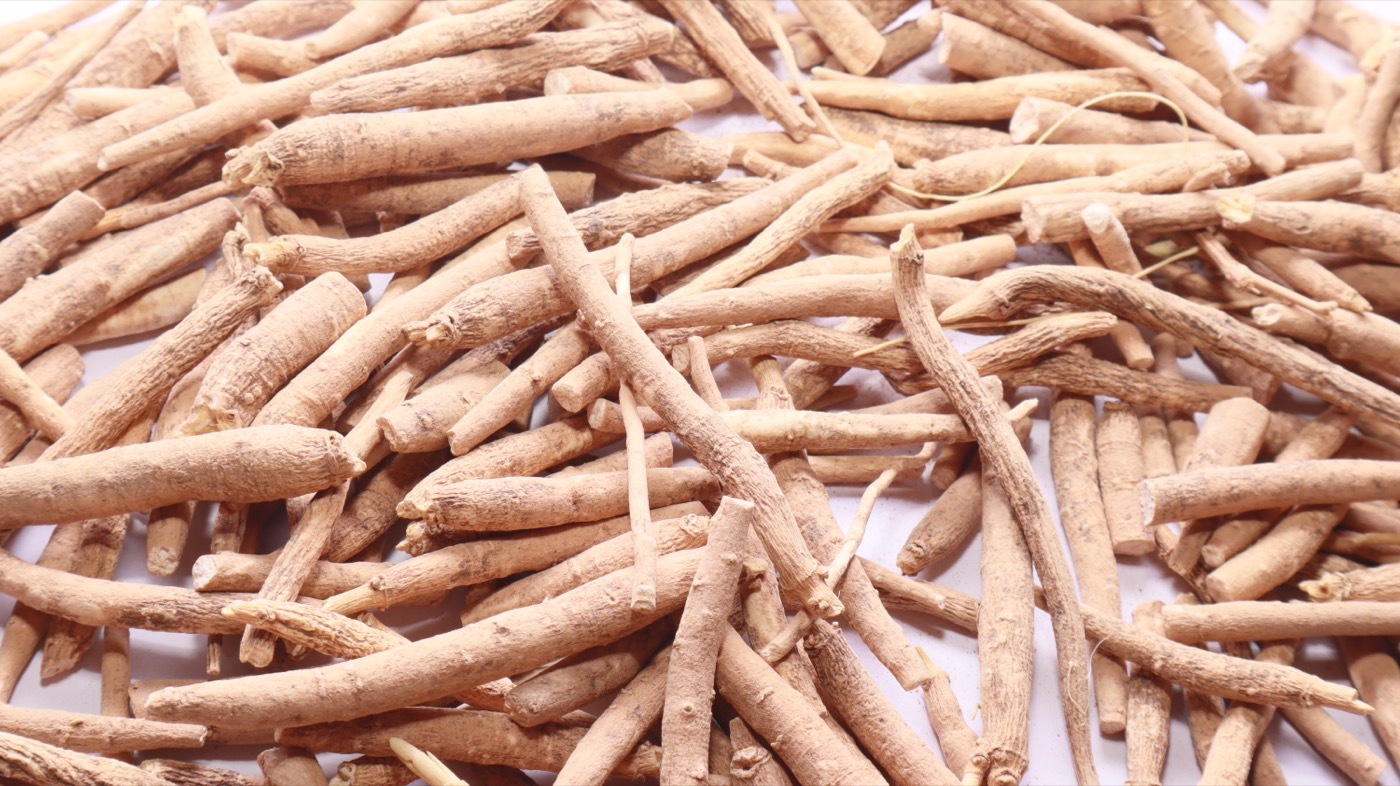
Ashwagandha Extract (Withania somnifera)
Hydro-alcoholic root extract of Withania somnifera standardised to 1.5–10% total withanolides by HPLC. Root-only material, vegan, bulk 25 kg export packing from India with batch COA.
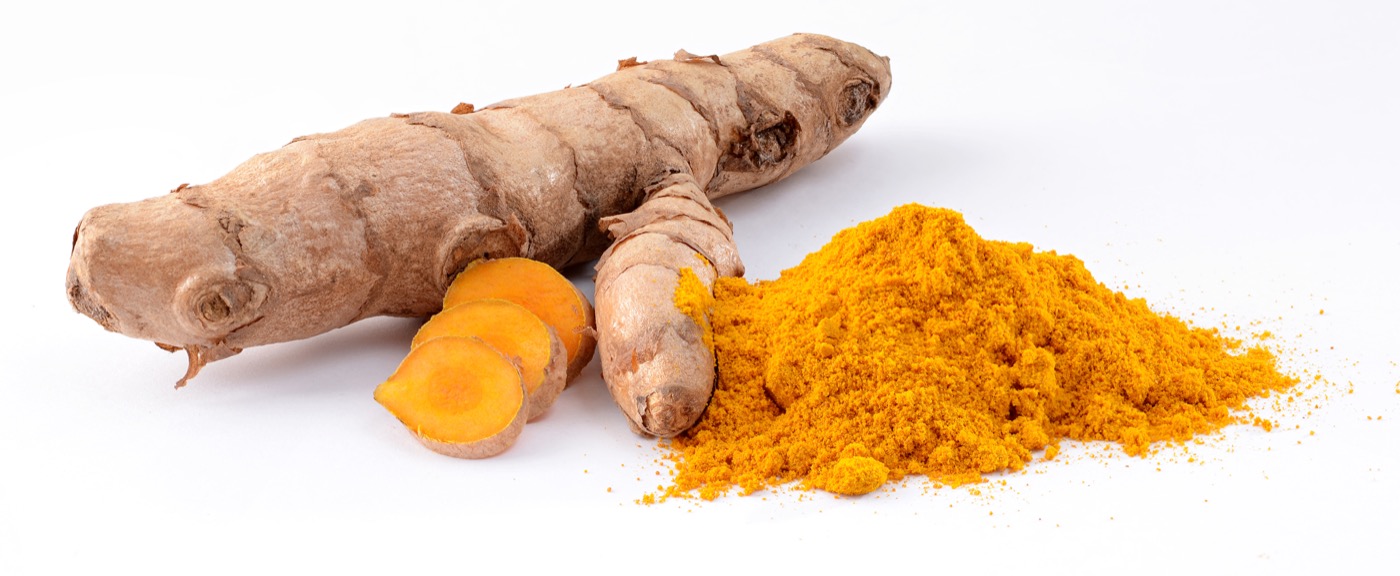
Turmeric Extract / Curcumin 95%
Purified Curcuma longa rhizome extract assaying NLT 95% total curcuminoids by HPLC, in USP curcumin / desmethoxy / bisdesmethoxy proportions. Orange-yellow crystalline powder, vegan.
Turmeric / Curcumin Extract
Standardized curcumin extract (up to 95% curcuminoids) for high-potency anti-inflammatory supplements.