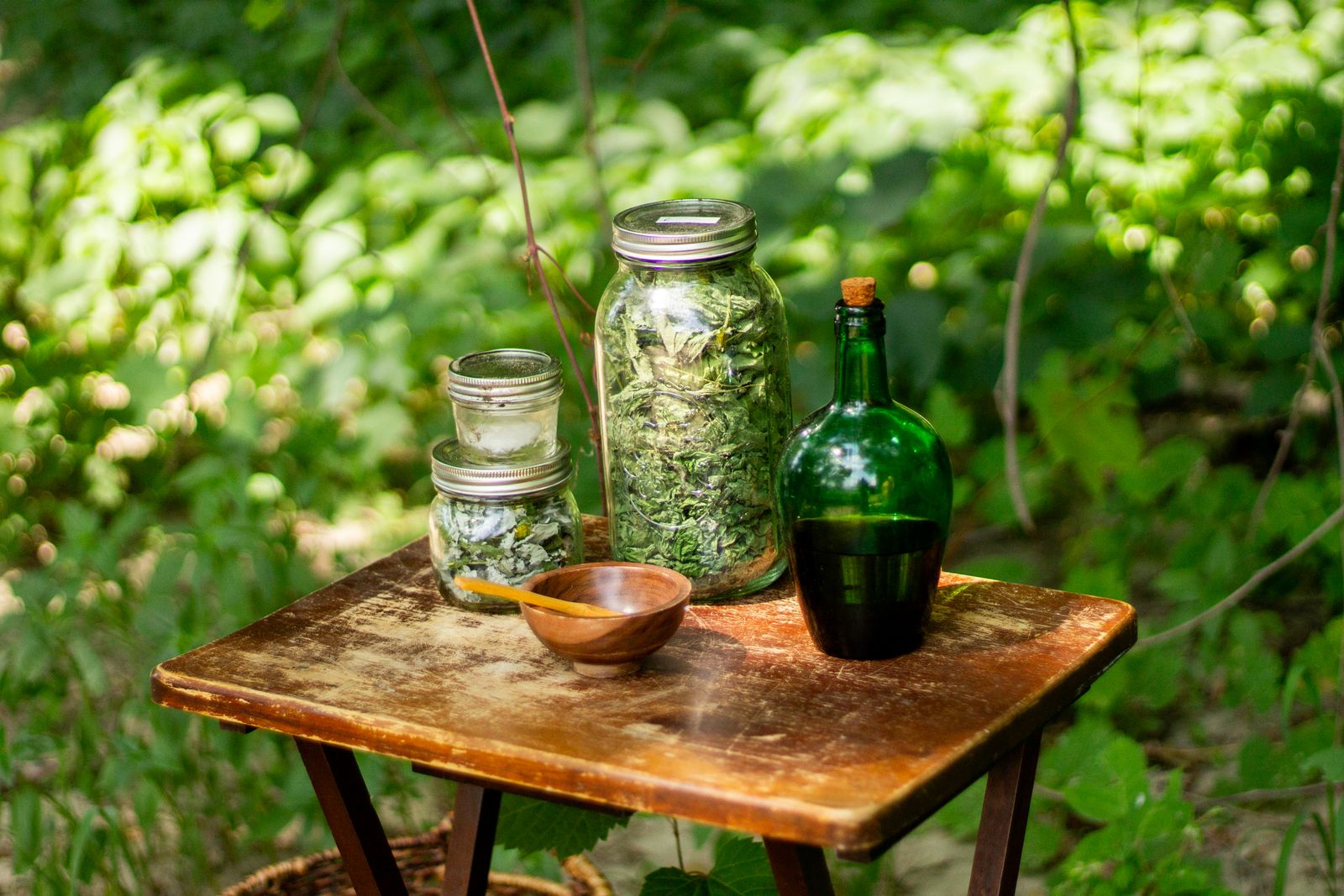
Chitrak Extract (Plumbago zeylanica)
Root extract of Plumbago zeylanica standardised to 0.5–2.5% plumbagin (CAS 481-42-5) by HPLC. Species-verified against red-flowered Plumbago rosea. Vegan, 25 kg bulk export packs from India.
Specifications
| Botanical identity | Plumbago zeylanica L., Fam. Plumbaginaceae. Ceylon leadwort, doctorbush, wild leadwort; Sanskrit Chitraka, Hindi Chitrak. White-flowered species |
| Plant part | Dried mature root and root bark. Aerial parts excluded; stem and leaf carry plumbagin but are not accepted against a root specification |
| Species control | Verified as P. zeylanica, not red-flowered Plumbago rosea (Rakta Chitraka), which is substituted in the collection trade. Species named on the COA |
| Standardisation | 0.5%, 1.0% and 2.5% plumbagin by HPLC against a plumbagin reference standard; 5:1 and 10:1 ratio extracts also offered. Method stated per lot |
| Marker compound | Plumbagin, 5-hydroxy-2-methylnaphthalene-1,4-dione, CAS 481-42-5, C11H8O3, MW 188.18. Yellow naphthoquinone, the pungent principle of the root |
| Classical processing | Shodhita (classically processed) root supplied where the buyer's monograph requires it; the texts combine the root with others to temper its pungency |
| Appearance, mesh, solubility | Light to dark brown free-flowing powder, acrid pungent odour. 100% through 80 mesh. Soluble in ethanol; sparingly soluble in water |
| Handling | Plumbagin is a skin and mucous-membrane irritant. Handle the dry powder with gloves, eye protection and dust extraction; avoid inhalation |
| Contaminant limits | Lead NMT 3 ppm, arsenic NMT 1 ppm, cadmium NMT 1 ppm, mercury NMT 0.1 ppm. Aflatoxin B1 NMT 2 ppb, total NMT 4 ppb. Pesticides to EU/USP limits |
| Microbiology | Total plate count NMT 10,000 cfu/g; yeast and mould NMT 500 cfu/g; E. coli, Salmonella and S. aureus absent |
| Allergen and diet status | Vegan and vegetarian. Free of milk, egg, soy, fish, crustacean, mollusc, peanut, tree nut, sesame, mustard, celery, lupin and gluten. Non-GMO |
| Regulatory status | Supplied for licensed Ayurvedic manufacture. No authorised EU food use established; buyer confirms destination eligibility before contracting |
| Shelf life and storage | 24 months from manufacture in sealed original packing. Store below 25 °C, dry and away from light; reseal liners immediately after part use |
| HS code | 13021919 — vegetable saps and extracts, other. Dried root powder classifies in Chapter 12 instead. Final classification rests with the importer's authority |
Applications
Available grades
0.5%, 1.0% and 2.5% plumbagin by HPLC; 5:1 and 10:1 ratio extracts; hydro-alcoholic and water extractions; shodhita (classically processed) root extract; water-dispersible grade on maize maltodextrin carrier; organic-certified (NOP/EU) root extract. Cut root and dried root powder are offered as separate articles under a Chapter 12 classification. Plumbago rosea (Rakta Chitraka) material is quoted only when a buyer specifies that species by name and is never shipped against a P. zeylanica order.
Related products
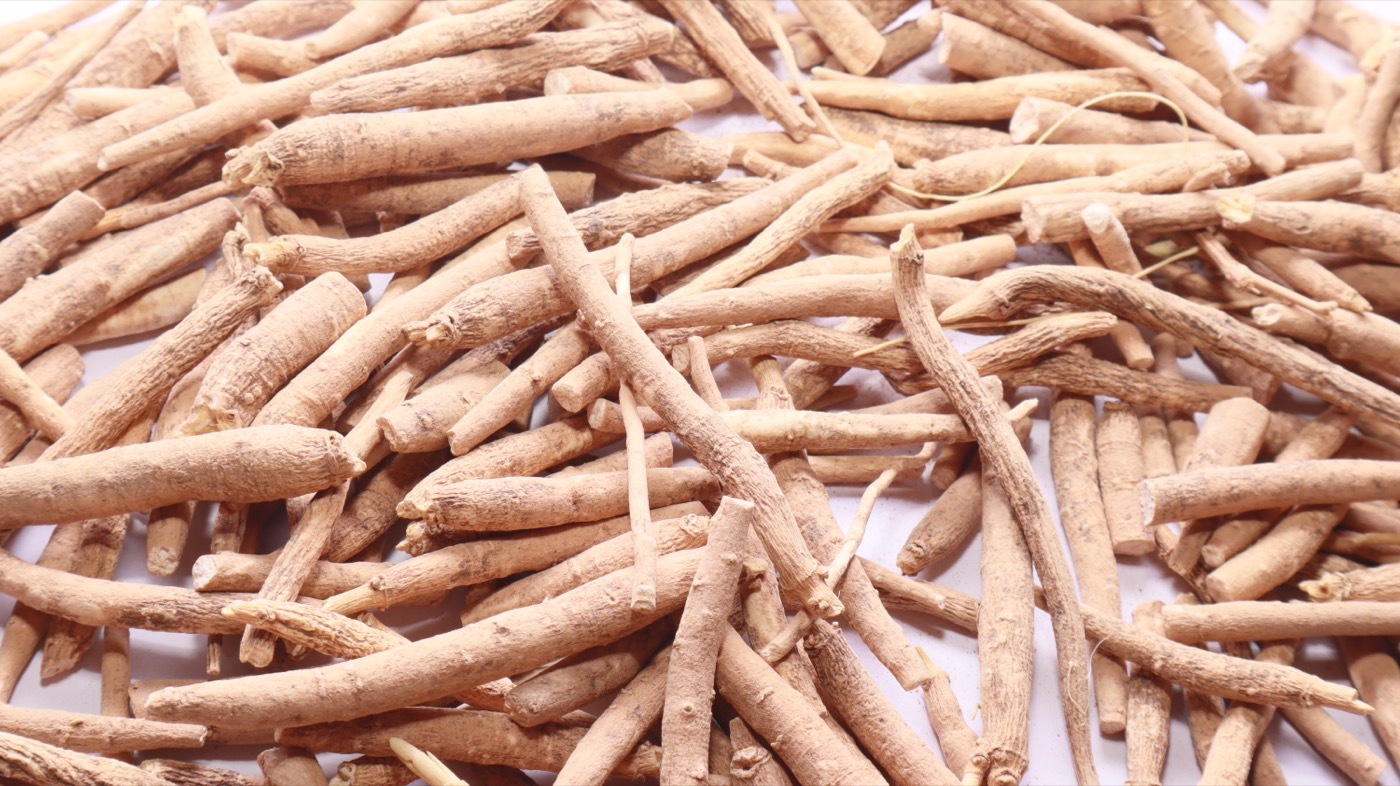
Ashwagandha Extract (Withania somnifera)
Hydro-alcoholic root extract of Withania somnifera standardised to 1.5–10% total withanolides by HPLC. Root-only material, vegan, bulk 25 kg export packing from India with batch COA.
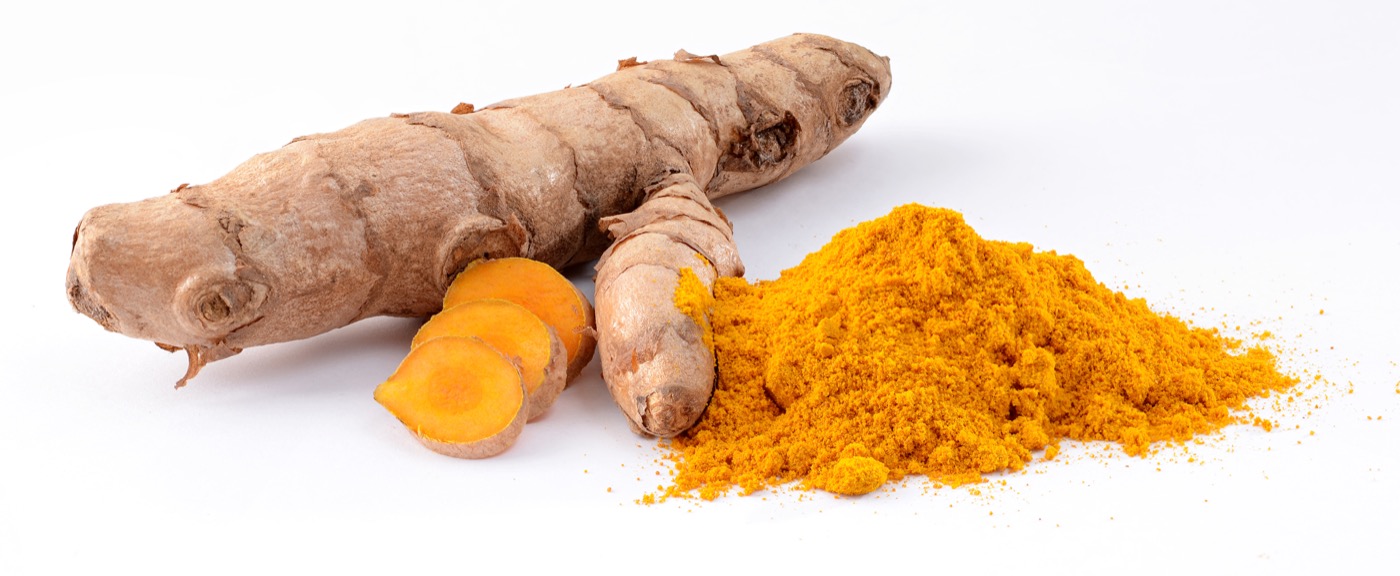
Turmeric Extract / Curcumin 95%
Purified Curcuma longa rhizome extract assaying NLT 95% total curcuminoids by HPLC, in USP curcumin / desmethoxy / bisdesmethoxy proportions. Orange-yellow crystalline powder, vegan.
Turmeric / Curcumin Extract
Standardized curcumin extract (up to 95% curcuminoids) for high-potency anti-inflammatory supplements.