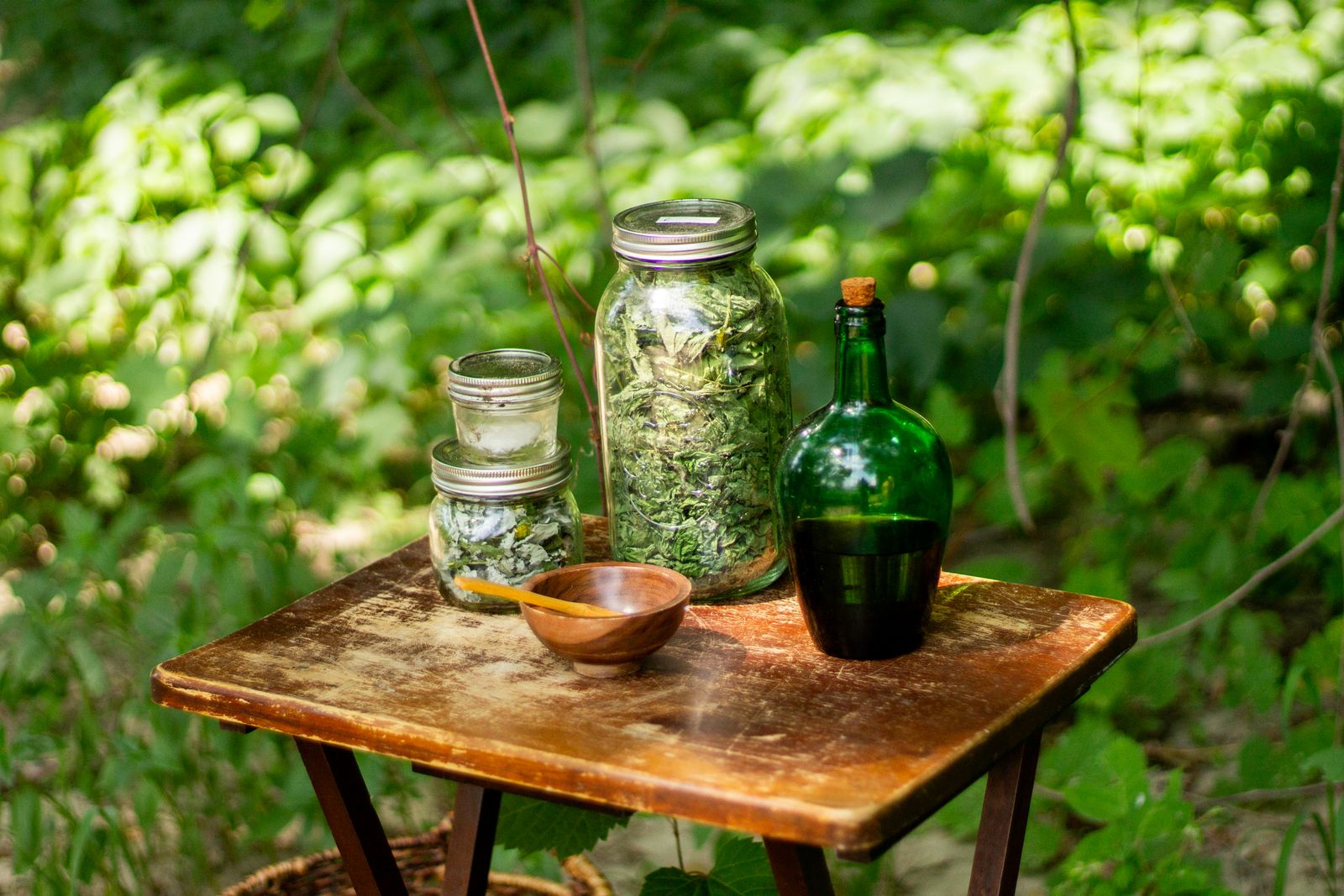
Chamomile extract
German chamomile flower extract standardised to 1.2% apigenin by HPLC, with apigenin-7-O-glucoside and native ratio grades available. Vegan and free of the major declarable allergens.
Specifications
| Botanical source | Matricaria chamomilla L., syn. Matricaria recutita L. Rauschert and Chamomilla recutita (L.) Rauschert, family Asteraceae; German or blue chamomile |
| Plant part | Dried flower heads or capitula, pharmacopoeially Matricariae flos. Not Roman chamomile, Chamaemelum nobile, which is a different species |
| Assay (standard grade) | Apigenin NLT 1.2% by HPLC on the dried basis; higher apigenin grades available on request |
| Alternative assay basis | Apigenin-7-O-glucoside NLT 0.3% by HPLC (CAS 578-74-5, C21H20O10, MW 432.38), aligning with the USP flower-head marker limit |
| Native ratio grades | 4:1, 10:1 and 20:1 drug-to-extract ratio, supplied carrier-free or carrier-standardised as specified |
| Extraction solvent | Water, or ethanol–water 30–70% v/v; the solvent system used is declared on each lot certificate |
| Carrier | Maize maltodextrin or acacia gum where standardisation requires it; identity and level stated on the CoA, carrier-free available |
| Appearance and odour | Fine yellow-brown to light brown powder with a characteristic sweet herbaceous odour and mildly bitter taste |
| Volatile fraction | Not a source of alpha-bisabolol (CAS 515-69-5) or chamazulene; specify the steam-distilled or CO2 essential oil for those constituents |
| Particle size, LOD and ash | NLT 95% passes 80 mesh (180 µm); loss on drying NMT 5.0%; total ash NMT 8.0% |
| Heavy metals | Lead NMT 3.0 ppm, arsenic NMT 2.0 ppm, cadmium NMT 1.0 ppm, mercury NMT 0.1 ppm |
| Microbiology | Total plate count NMT 10,000 cfu/g; yeast and mould NMT 500 cfu/g; E. coli, Salmonella and S. aureus absent |
| Allergen and diet status | Vegan and vegetarian; non-GMO. No milk, egg, soy, fish, crustacean, gluten, sesame, peanut or tree nut. Asteraceae botanical; voluntary Compositae advisory on request |
| Shelf life | 24 months unopened at 15–25 °C, protected from light and moisture. |
| HS code | 1302.19.19 |
Applications
Available grades
Apigenin 1.2% by HPLC as the standard grade; apigenin-7-O-glucoside grades at 0.3% and 1.0%; native 4:1, 10:1 and 20:1 ratio extracts; cold-water-soluble and cosmetic grades; certified organic (NOP/EU), Kosher and Halal to order.
Related products
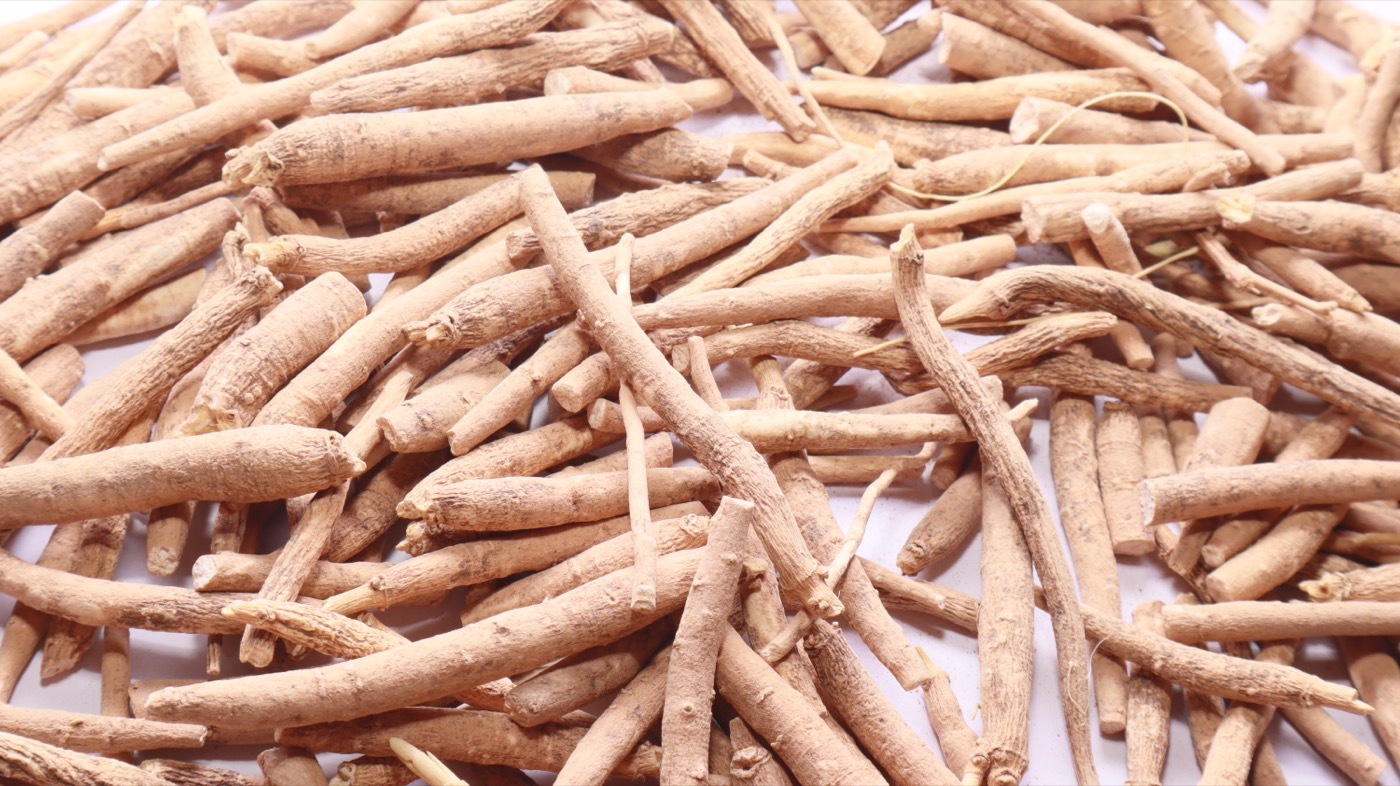
Ashwagandha Extract (Withania somnifera)
Hydro-alcoholic root extract of Withania somnifera standardised to 1.5–10% total withanolides by HPLC. Root-only material, vegan, bulk 25 kg export packing from India with batch COA.
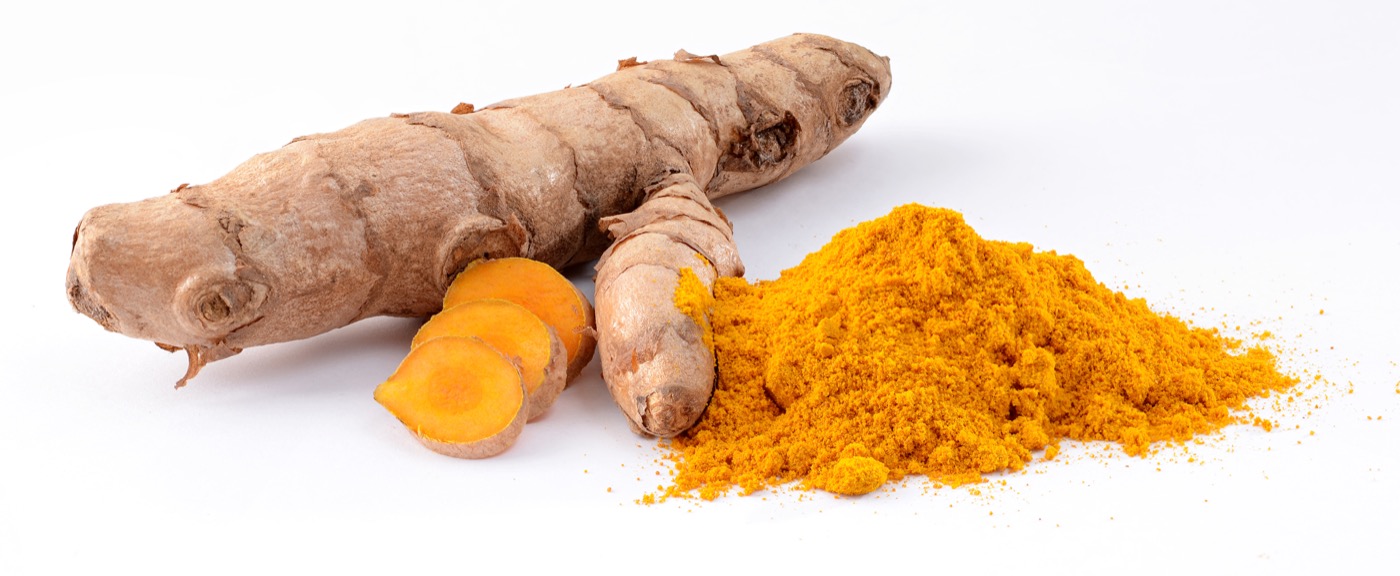
Turmeric Extract / Curcumin 95%
Purified Curcuma longa rhizome extract assaying NLT 95% total curcuminoids by HPLC, in USP curcumin / desmethoxy / bisdesmethoxy proportions. Orange-yellow crystalline powder, vegan.
Turmeric / Curcumin Extract
Standardized curcumin extract (up to 95% curcuminoids) for high-potency anti-inflammatory supplements.