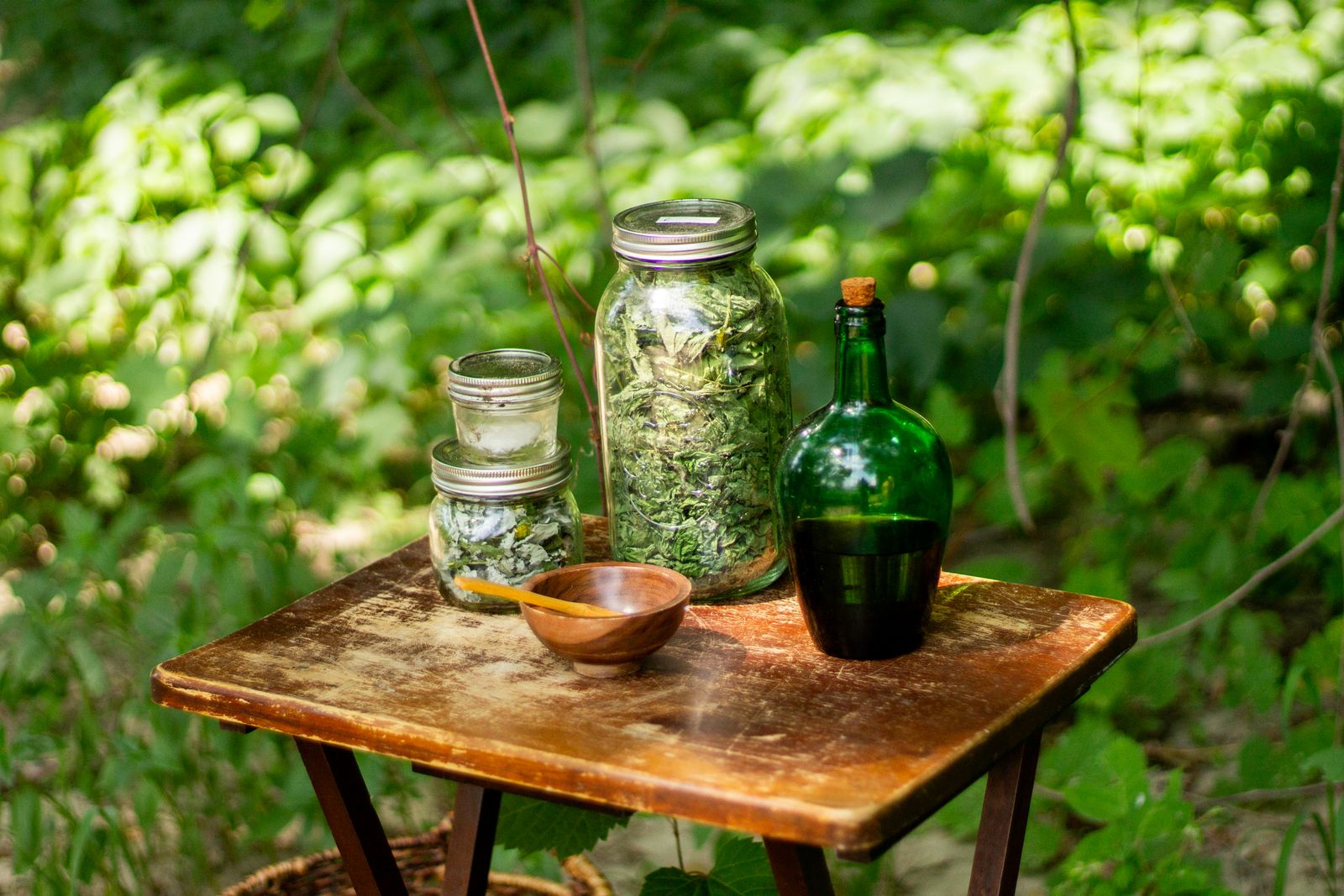
Cardamom Extract (Elettaria cardamomum)
Green cardamom seed extract from Elettaria cardamomum (L.) Maton, supplied 4:1 to 10:1 native or standardised on 1,8-cineole by GC. Vegan, allergen-free, Indian origin.
Specifications
| Botanical source | Elettaria cardamomum (L.) Maton, Zingiberaceae — green or true cardamom, Hindi elaichi. Indian-grown; origin and crop year stated per lot. |
| Part used | Decorticated seed from the dried fruit capsule; the seed is the oil-bearing part and is reported to carry up to about 8% essential oil. Husk removed before extraction. |
| Standardisation | 4:1 and 10:1 native concentrates as standard; 1,8-cineole standardised grades by GC to a buyer-agreed figure. Ratio grades ship unstandardised against a fingerprint. |
| Marker compounds | 1,8-Cineole (eucalyptol) CAS 470-82-6, C10H18O, MW 154.25; alpha-terpinyl acetate CAS 80-26-2, C12H20O2, MW 196.29. Reported near 20–50% and 30% of the seed oil. |
| Assay method | GC-FID or GC-MS on the volatile markers, HPTLC or TLC fingerprint for identity. State the method on every enquiry so two offers can actually be compared. |
| Appearance and odour | Fine free-flowing pale to light brown powder, faint warm aromatic odour. A dry extract is markedly less aromatic than the oleoresin or the distilled oil. |
| Solubility | Ratio concentrates largely water-soluble; hydro-alcoholic grades ethanol-soluble and water-dispersible. Volatile-enriched grades need emulsification to disperse. |
| Extraction and carrier | Water or water/ethanol, no chlorinated solvents; residual solvents to ICH Q3C and USP <467>. Carrier-free or non-GMO maize maltodextrin. NLT 95% through 80 mesh. |
| Loss on drying and ash | LOD NMT 5.0% at 105 °C; total ash NMT 5.0%; acid-insoluble ash NMT 1.0%, which is also the control on mineral adulteration. Confirmed per lot on the COA. |
| Contaminants | Pb, As, Cd and Hg by ICP-MS to USP <232> and EU Regulation 2023/915; pesticide residues to EU MRL; aflatoxins and ochratoxin A to the applicable EU spice limits. |
| Microbiology | TPC NMT 10,000 cfu/g; yeast and mould NMT 100 cfu/g; E. coli absent in 10 g; Salmonella absent in 25 g; coliforms NMT 10 cfu/g. |
| Allergen and diet status | Vegan and vegetarian. No milk, egg, soy, fish, crustacean, gluten, peanut, tree nut, sesame, mustard or celery input; non-GMO. ELISA confirmation on request. |
| Shelf life and storage | 24 months from manufacture in the sealed original pack below 25 °C, RH under 60%, protected from light. Hygroscopic once opened; reseal immediately. |
| HS code | 13021919 (India ITC-HS) — vegetable saps and extracts, extracts, other. Whole or ground cardamom, cardamom oleoresin and cardamom oil sit elsewhere; see note. |
Applications
Available grades
4:1 and 10:1 native water-soluble concentrates; 1,8-cineole standardised grades by GC to a buyer-agreed figure; organic (NPOP / NOP / EU) and conventional; spray-dried or granulated, carrier-free or on non-GMO maize maltodextrin. Green cardamom (Elettaria cardamomum) is the default; black or large cardamom (Amomum subulatum) is quoted only when specified. Cardamom oleoresin and steam-distilled cardamom essential oil are available as separate line items.
Related products
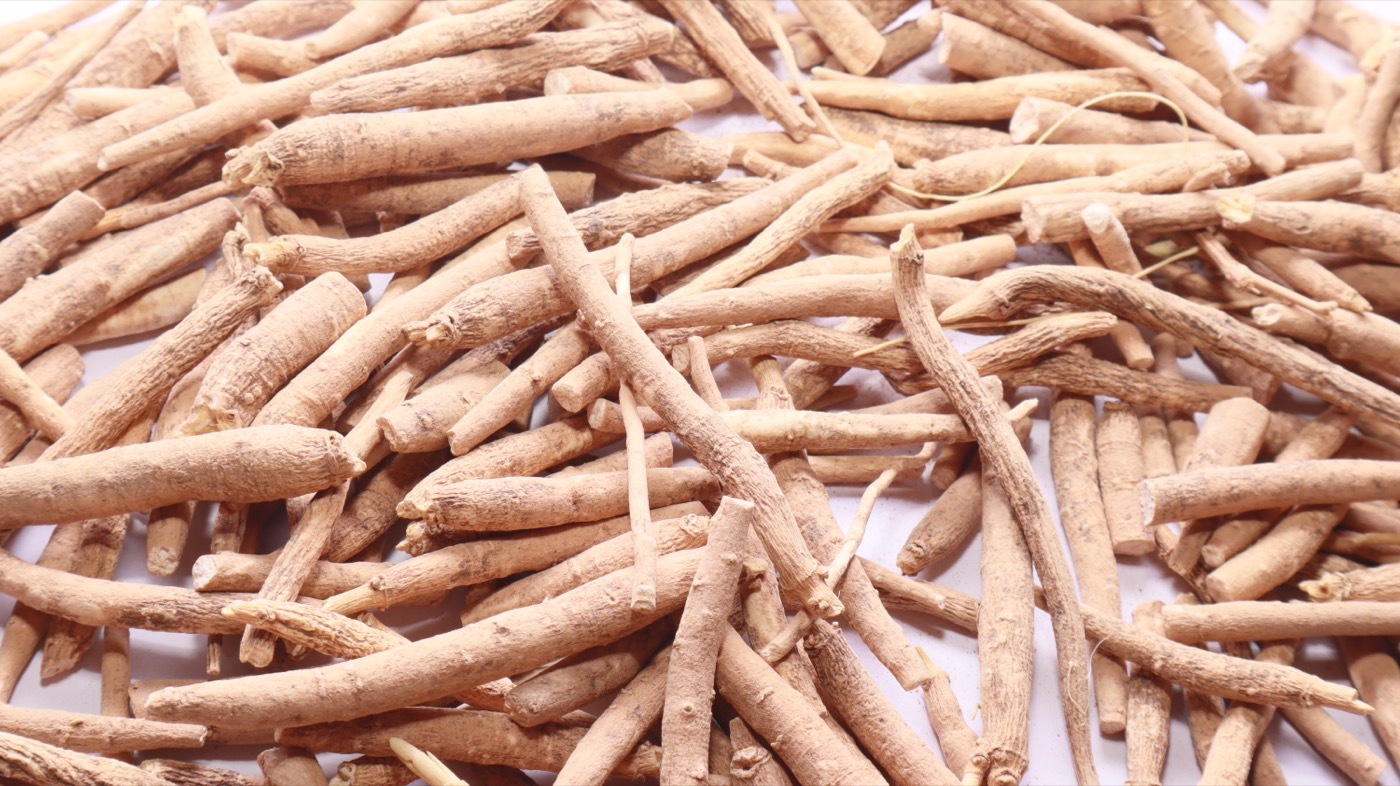
Ashwagandha Extract (Withania somnifera)
Hydro-alcoholic root extract of Withania somnifera standardised to 1.5–10% total withanolides by HPLC. Root-only material, vegan, bulk 25 kg export packing from India with batch COA.
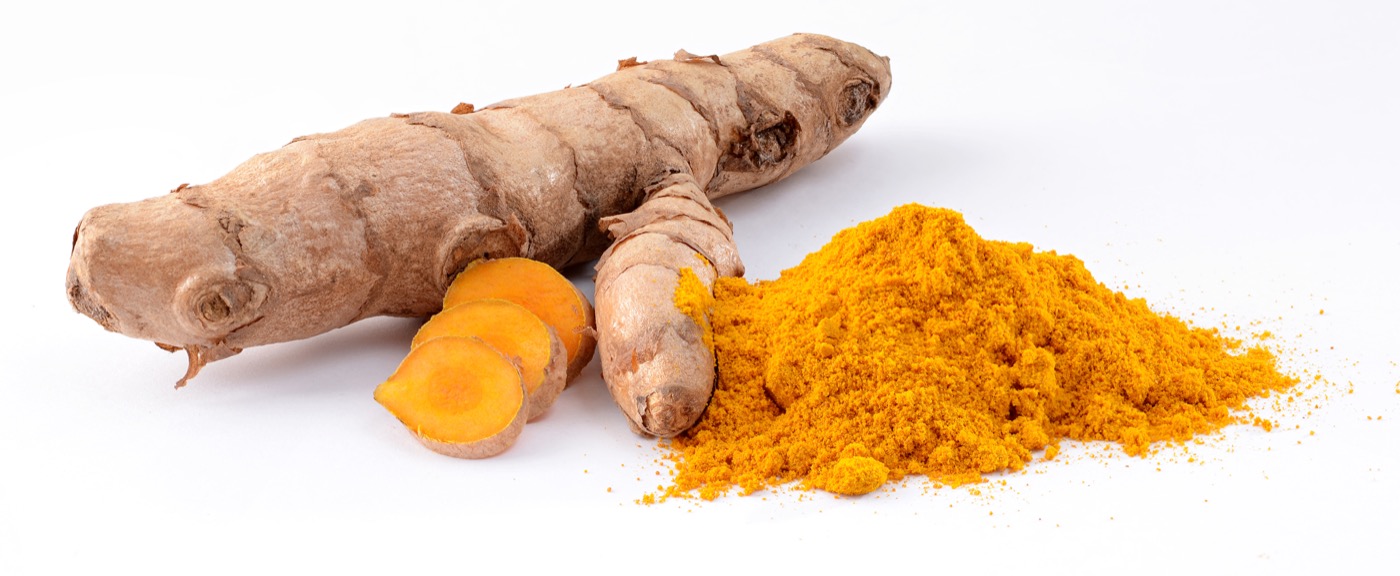
Turmeric Extract / Curcumin 95%
Purified Curcuma longa rhizome extract assaying NLT 95% total curcuminoids by HPLC, in USP curcumin / desmethoxy / bisdesmethoxy proportions. Orange-yellow crystalline powder, vegan.
Turmeric / Curcumin Extract
Standardized curcumin extract (up to 95% curcuminoids) for high-potency anti-inflammatory supplements.