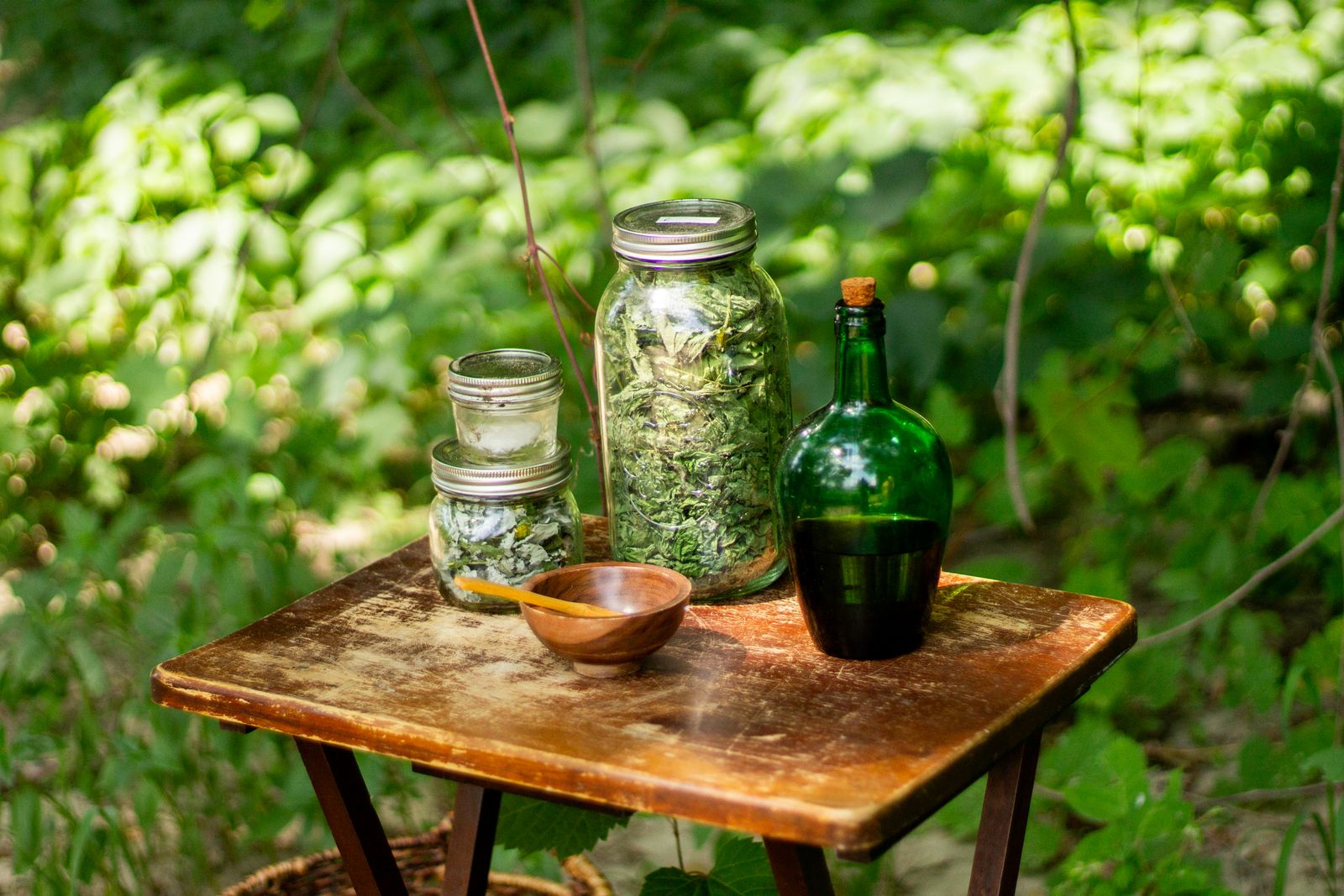
Bilberry Extract (Anthocyanins)
Refined bilberry fruit extract at 25% anthocyanidins, equal to 36% anthocyanosides, on the European Pharmacopoeia pattern. Wild-harvested European berry, vegan, HPLC-fingerprinted per lot.
Specifications
| Botanical identity | Vaccinium myrtillus L., family Ericaceae. European bilberry or whortleberry. Not the cultivated highbush blueberry, Vaccinium corymbosum, which has a different anthocyanin profile. |
| Part used and origin | Ripe fruit, wild-harvested from forest stands in the Nordic countries and eastern Europe. Bilberry is not commercially cultivated and does not grow in India. |
| Standardisation | 25% anthocyanidins by UV, conventionally quoted as the equivalent 36% anthocyanosides. Lower grades at 1%, 5%, 10% and 15% anthocyanins also supplied. |
| Pharmacopoeial reference | Ph. Eur. refined standardised fresh bilberry fruit dry extract: 32.4 to 39.6 per cent anthocyanins expressed as cyanidin-3-O-glucoside chloride. |
| EU monograph preparation | EU herbal monograph on Vaccinium myrtillus L., fructus recens cites a dry extract, DER 153-76:1, solvent methanol 70% V/V, 36% anthocyanosides = 25% anthocyanidins. |
| Anthocyanin profile (identity) | Fifteen anthocyanins: delphinidin, cyanidin, petunidin, peonidin and malvidin, each as the 3-glucoside, 3-galactoside and 3-arabinoside. The profile, not the assay, is the identity test. |
| Reference standard | Cyanidin-3-O-glucoside chloride (kuromanin chloride), CAS 7084-24-4, C21H21ClO11, MW 484.84, used for calibration and for expressing total anthocyanins. |
| Adulteration control | Documented adulterants include black rice, black soybean hull, elderberry, chokeberry, mulberry and the azo dye amaranth. Full HPLC profile run on every lot. |
| Free aglycone limit | Free anthocyanidin aglycones held low, typically NMT 1%. A raised aglycone figure indicates degradation or a non-bilberry anthocyanin source. |
| Appearance and solubility | Dark purple to purple-black fine powder, characteristic berry odour. Water-soluble; colour is pH dependent, red in acid and dull blue-grey above about pH 5. |
| Stability guidance | Heat, light, oxygen and sulphite sensitive. Formulate below pH 4, avoid metabisulphite and ascorbate-metal systems, protect from light, avoid prolonged hot holding. |
| Process and solvent | Aqueous-ethanol or methanol extraction per grade, membrane refining, vacuum concentration and drying. Residual solvents tested to ICH Q3C and reported per lot. |
| Allergen and dietary status | Vegan and vegetarian; no bovine, porcine, marine or insect material. Free of all FDA 9 and EU 14 allergens including peanut and sesame. Non-GMO, non-irradiated. |
| Shelf life, storage | 24 months unopened. Store below 25 C, RH under 60%, in light-proof sealed packaging; 2-8 C recommended to hold assay at the top of shelf life. |
| HS code | 1302 19 19 |
Applications
Available grades
Refined standardised extract at 25% anthocyanidins, equivalent to 36% anthocyanosides, the Ph. Eur.-pattern grade. Anthocyanin grades at 1%, 5%, 10% and 15% by UV as cyanidin-3-O-glucoside for cost-driven formulations. Native bilberry fruit extracts at an agreed drug-to-extract ratio where no marker standardisation is required. Freeze-dried whole bilberry fruit powder, which is unextracted fruit and not interchangeable with any extract grade. Water-dispersible spray-dried grade on maize maltodextrin or gum acacia for beverage work. Wild-collection organic certification (NPOP/NOP/EU) available where the origin custody chain supports it; kosher and halal certification available. The grades are not interchangeable and a reformulation between them needs re-qualification.
Related products
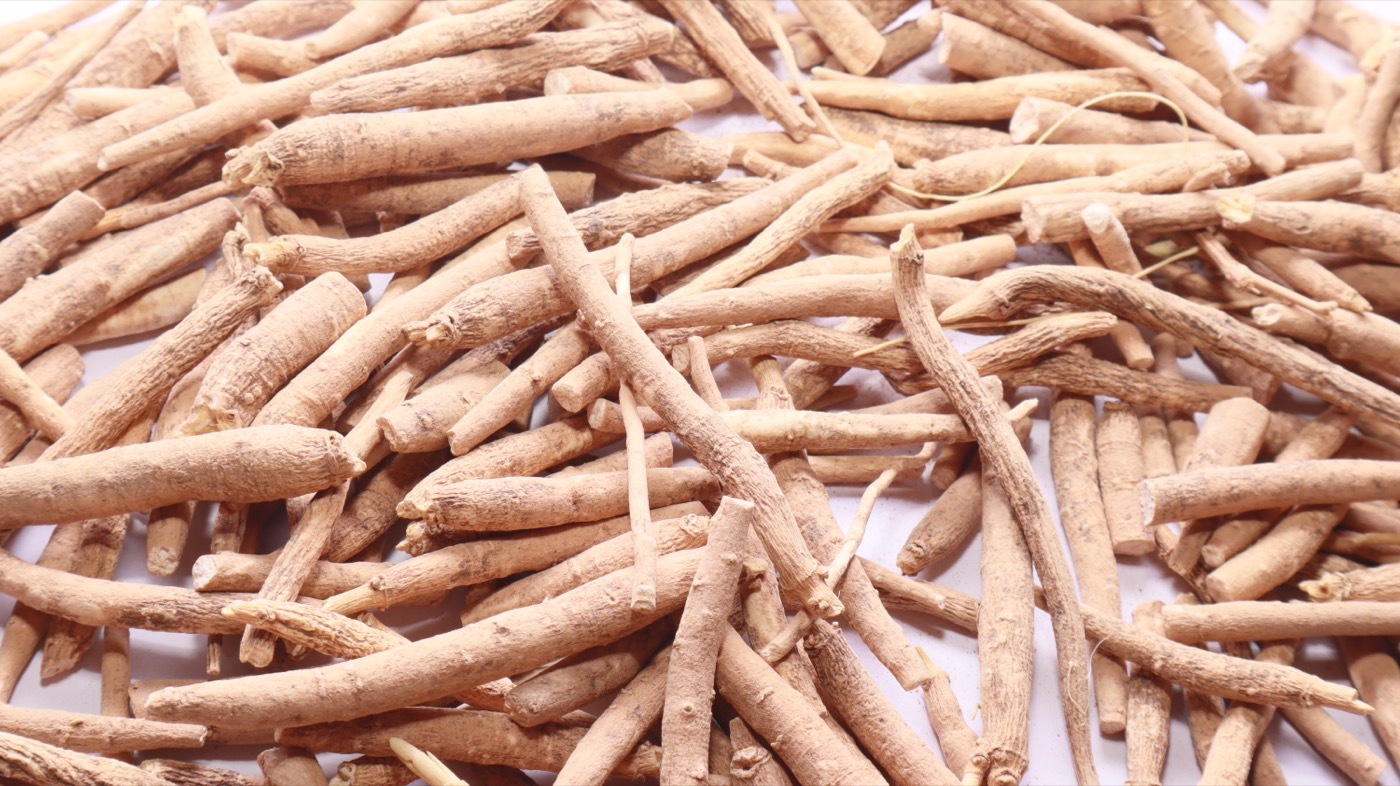
Ashwagandha Extract (Withania somnifera)
Hydro-alcoholic root extract of Withania somnifera standardised to 1.5–10% total withanolides by HPLC. Root-only material, vegan, bulk 25 kg export packing from India with batch COA.
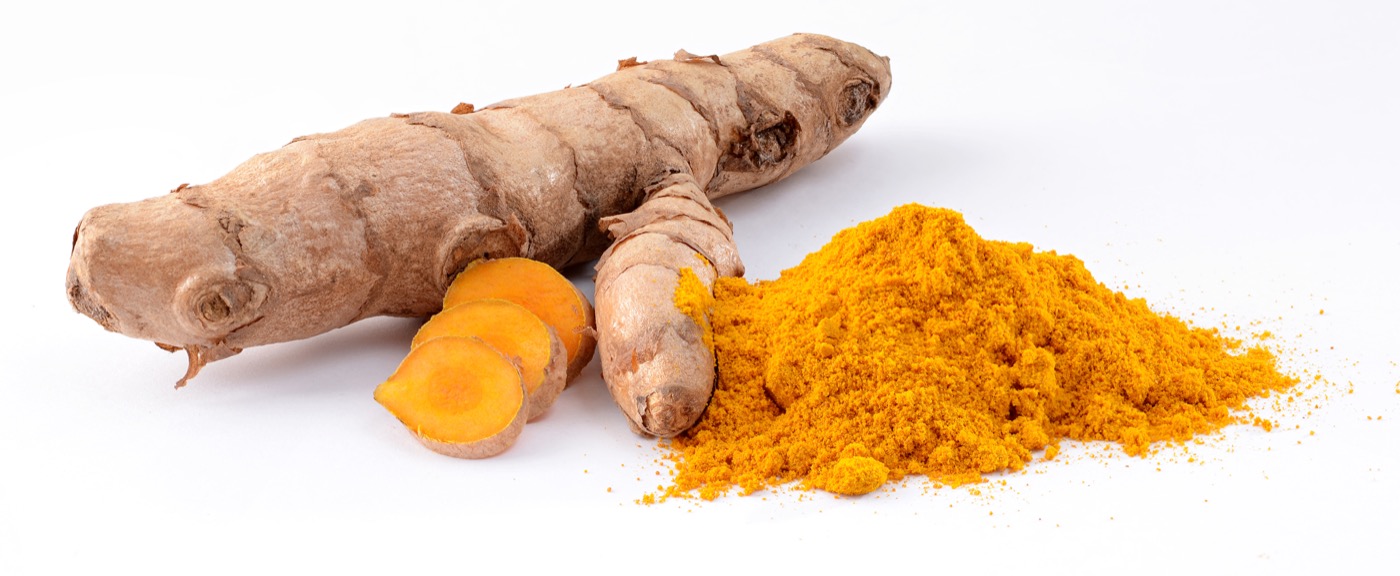
Turmeric Extract / Curcumin 95%
Purified Curcuma longa rhizome extract assaying NLT 95% total curcuminoids by HPLC, in USP curcumin / desmethoxy / bisdesmethoxy proportions. Orange-yellow crystalline powder, vegan.
Turmeric / Curcumin Extract
Standardized curcumin extract (up to 95% curcuminoids) for high-potency anti-inflammatory supplements.