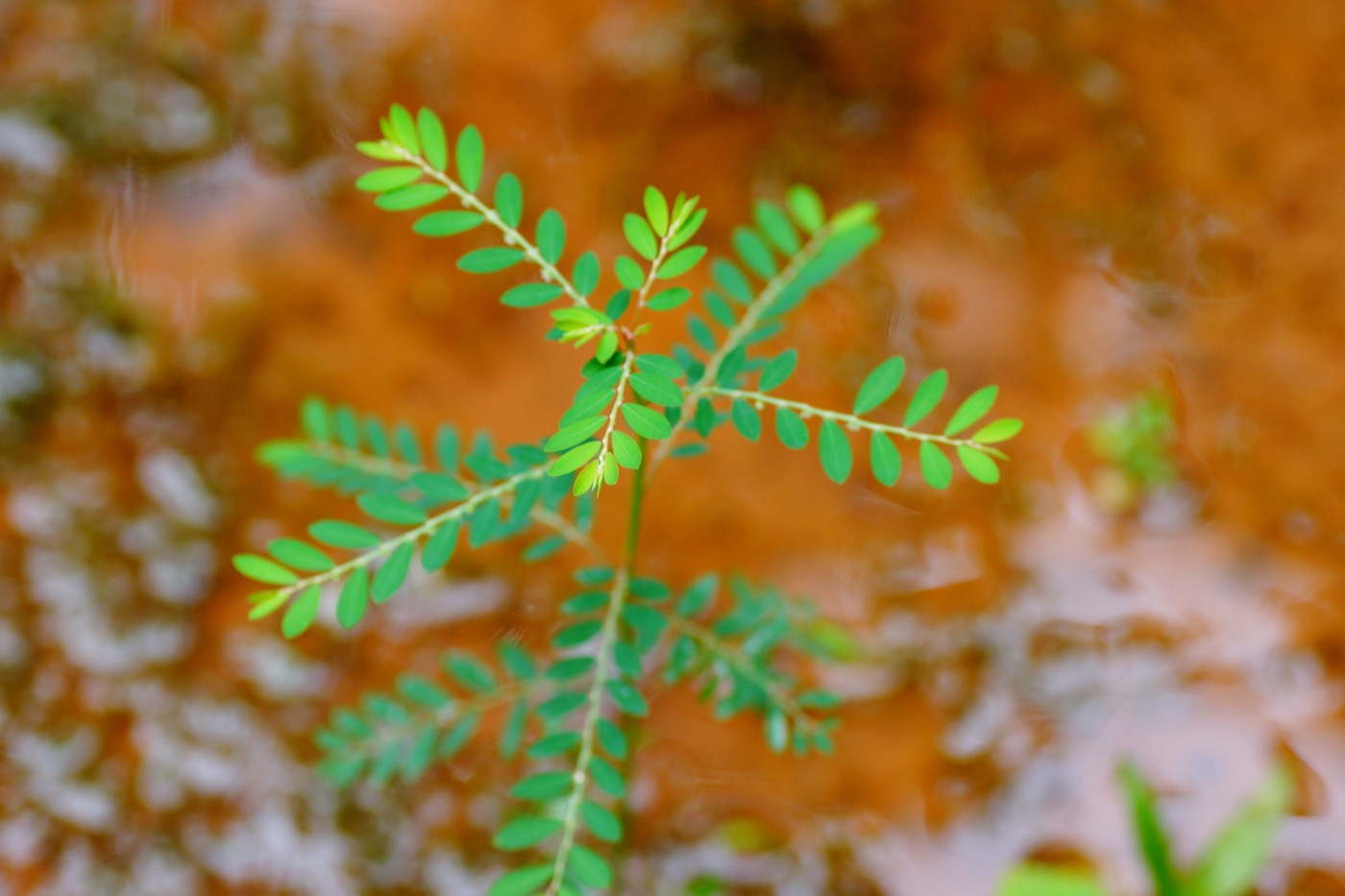
Bhumi Amla Extract (Phyllanthus niruri)
Whole-herb Phyllanthus niruri extract in bulk, standardised to bitters NLT 5% gravimetric or phyllanthin 1–4% by HPLC. Vegan, allergen-free, shipped from India in 25 kg drums.
Specifications
| Botanical source | Phyllanthus niruri L., family Phyllanthaceae. The allied Phyllanthus amarus Schum. & Thonn. trades under the same Bhumyamalaki name; actual species is declared on the CoA. |
| Part used | Whole plant, aerial parts with stem and leaf, shade-dried and milled before extraction. |
| Standardisation grades | Bitters NLT 5.0% by gravimetry; phyllanthin 1%, 2% or 4% by HPLC; tannins 20% by titration; native 4:1 and 10:1 ratio concentrates. |
| Marker compounds | Phyllanthin, CAS 10351-88-9, C24H32O7, MW 432.5; hypophyllanthin, C24H30O7, MW 430.5. Corilagin, geraniin and flavonoid glycosides also present. |
| Assay method | Reverse-phase HPLC with UV detection against a characterised phyllanthin reference standard; bitters determined gravimetrically; tannins by titration. |
| Extraction solvent | Water or food-grade ethanol/water. Residual solvents controlled to ICH Q3C Class 3 limits; no Class 1 or Class 2 solvents used. |
| Appearance and odour | Free-flowing greenish-brown to brown fine powder with a characteristic bitter herbal odour and taste. |
| Solubility | Water-dispersible; hydroalcoholic grades partly soluble in ethanol/water mixtures. Not a clear-solution ingredient in cold water. |
| Particle size | NLT 95% through 80 mesh (approx. 180 micron) as standard. 100 mesh and spray-dried granulated grades on request. |
| Raw-herb acceptance (API Bhumyamalaki) | Foreign matter NMT 2%; total ash NMT 14%; acid-insoluble ash NMT 5%; alcohol-soluble extractive NLT 6%; water-soluble extractive NLT 8%. |
| Loss on drying | NMT 5.0% at 105 degrees C. |
| Heavy metals | Lead NMT 3 ppm, arsenic NMT 1 ppm, cadmium NMT 1 ppm, mercury NMT 0.1 ppm by ICP-MS. |
| Microbiology | Total plate count NMT 10,000 cfu/g; yeast and mould NMT 1,000 cfu/g; E. coli, Salmonella and S. aureus absent. |
| Allergen, diet and origin status | Vegan and vegetarian, wholly plant-derived. No milk, egg, soy, fish, crustacean, gluten, peanut or tree-nut inputs. Non-GMO, non-irradiated. Halal and Kosher on request. |
| Shelf life | 24 months from manufacture in unopened original packing below 25 degrees C. |
| HS code | 1302 19 19 |
Applications
Available grades
Bitters NLT 5% (gravimetry); phyllanthin 1%, 2% and 4% (HPLC); tannins 20% (titration); native 4:1 and 10:1 concentrates; water-extracted and hydroalcoholic variants; spray-dried on maltodextrin or gum acacia carrier; low-bulk-density and granulated grades for direct compression; NPOP, NOP and EU organic certified material available to order.
Related products
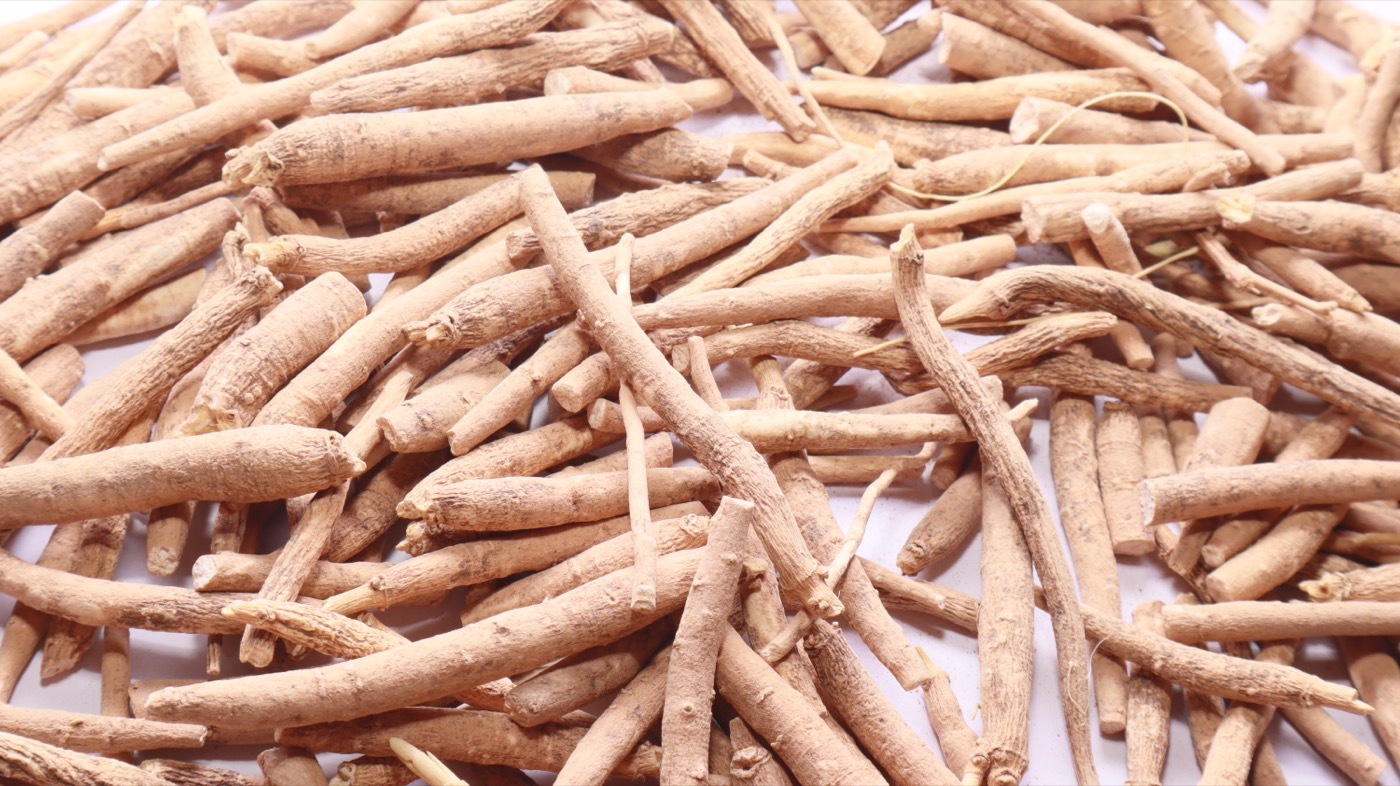
Ashwagandha Extract (Withania somnifera)
Hydro-alcoholic root extract of Withania somnifera standardised to 1.5–10% total withanolides by HPLC. Root-only material, vegan, bulk 25 kg export packing from India with batch COA.
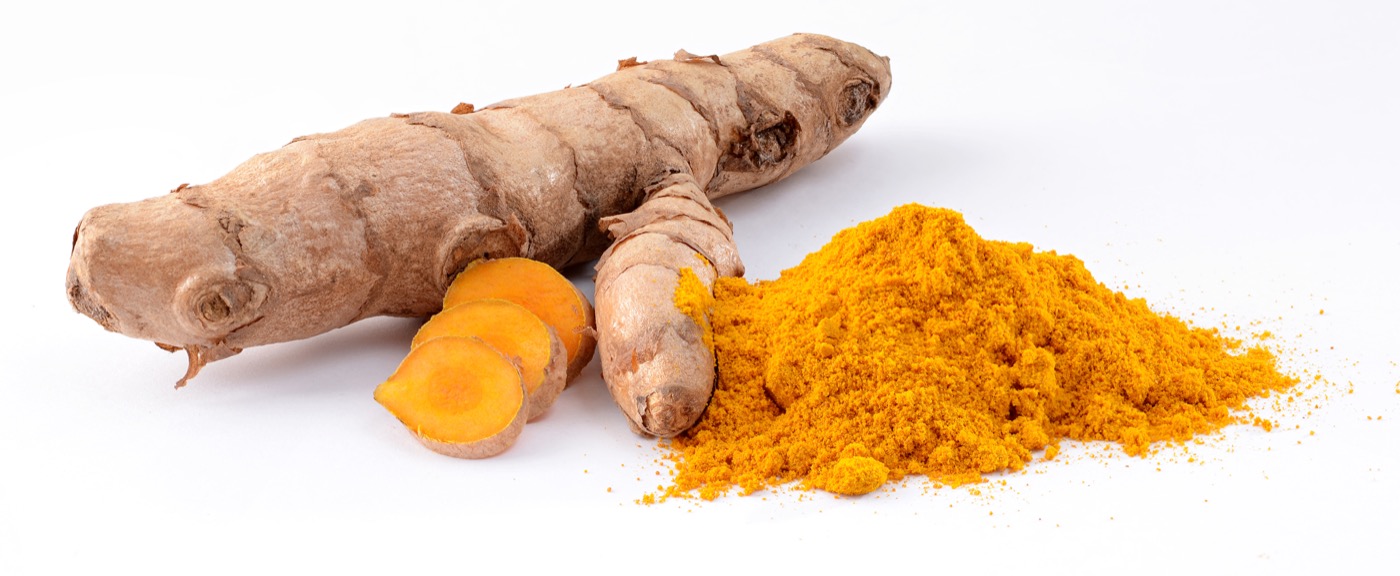
Turmeric Extract / Curcumin 95%
Purified Curcuma longa rhizome extract assaying NLT 95% total curcuminoids by HPLC, in USP curcumin / desmethoxy / bisdesmethoxy proportions. Orange-yellow crystalline powder, vegan.
Turmeric / Curcumin Extract
Standardized curcumin extract (up to 95% curcuminoids) for high-potency anti-inflammatory supplements.