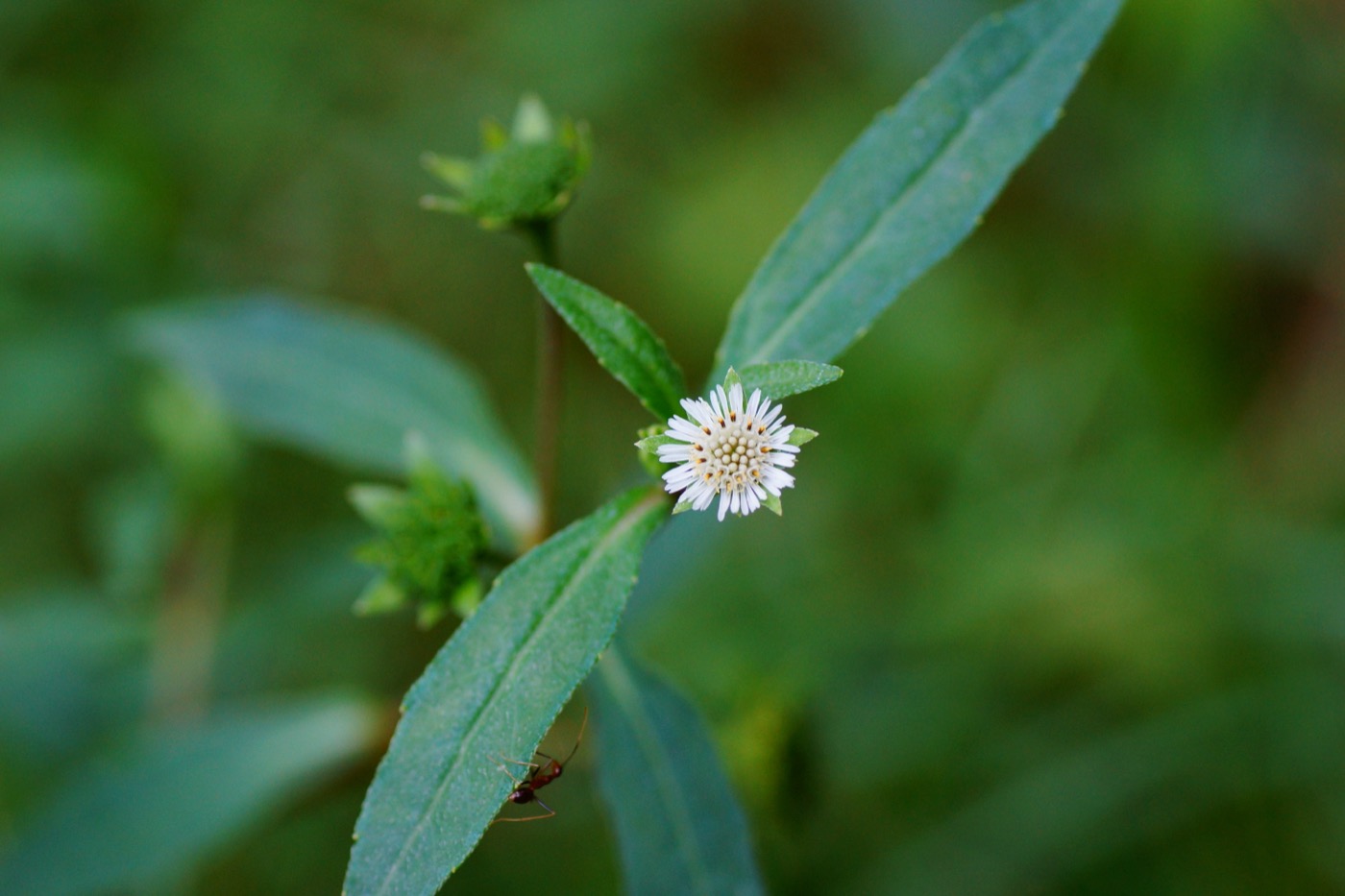
Bhringraj Extract (Eclipta alba)
Eclipta prostrata (syn. Eclipta alba) extract in 4:1 to 25:1 ratio grades and wedelolactone-standardised grades, with HPTLC identity against Wedelia substitution.
Specifications
| Botanical source | Eclipta prostrata (L.) L. (Asteraceae), accepted name; synonym Eclipta alba (L.) Hassk., under which it is still traded. Bhringraj, Bhringaraja; English false daisy. |
| Plant part | Whole plant (panchanga) as standard; aerial-part-only selection available. The part actually used is stated on every batch CoA, not assumed from the trade name. |
| Extract type and solvent | Native ratio extract at 4:1, 10:1 or 25:1 herb-to-extract, dry basis. Aqueous or hydro-alcoholic; residual solvents to USP <467> / Ph. Eur. 2.4.24. |
| Standardisation | Wedelolactone NLT 0.5%, 1.0%, 2.0% or 2.5% by HPLC. Enriched grades above 2.5% require fractionation and are made to order against a written method. |
| Marker compound | Wedelolactone, CAS 524-12-9, C16H10O7, MW 314.25, a coumestan. Demethylwedelolactone and the ecliptasaponins are tracked in the fingerprint. |
| Marker specificity caution | Wedelolactone also occurs in Sphagneticola (Wedelia) calendulacea, a known market substitute, so assay alone cannot confirm identity - HPTLC fingerprint is mandatory. |
| Natural abundance context | Published survey of wild Eclipta accessions reports 0.09-0.53% wedelolactone on a dry-weight basis, which sets what a plain ratio extract can realistically assay. |
| Appearance and odour | Greenish-brown to dark brown fine powder with a characteristic herbaceous odour. Colour deepens with extraction ratio and is not a purity indicator. |
| Particle size | NLT 95% passing 80 mesh (about 180 micron). Coarser 40 and 60 mesh cuts on request for granulation; oil-dispersible grade is supplied as a fluid. |
| Solubility | Aqueous grade disperses in water; hydro-alcoholic grade is partly water-soluble and freely soluble in aqueous ethanol. Oil-dispersible grade carries in vegetable oils. |
| Typical purity limits | Loss on drying NMT 5.0%; total ash NMT 5.0% carrier-free basis; heavy metals NMT 10 ppm total, to USP <2232>; pesticides to USP <561> or EU MRLs as specified. |
| Microbiology | TPC NMT 10,000 cfu/g; yeast and mould NMT 500 cfu/g; E. coli, Salmonella and S. aureus absent. Steam-sterilised low-count grade available. |
| Allergen and diet status | Vegan and vegetarian, plant-derived, non-GMO. Free from milk, egg, soy, fish, crustacean, peanut, tree nut and gluten-containing cereals. Not bovine or porcine. |
| Shelf life, storage | 24 months unopened for powder grades, below 25 C at under 60% RH, protected from light. |
| HS code | 13021919 for the powder |
Applications
Available grades
Native ratio grades at 4:1, 10:1 and 25:1. Wedelolactone-standardised at NLT 0.5%, 1.0%, 2.0% and 2.5% by HPLC, with enriched grades above 2.5% to order. Whole-plant or aerial-part selection. Oil-dispersible grade for hair-oil and leave-on bases. Water-soluble spray-dried grade, steam-sterilised low-microbial grade, and certified organic (NOP/EU) on contract.
Related products
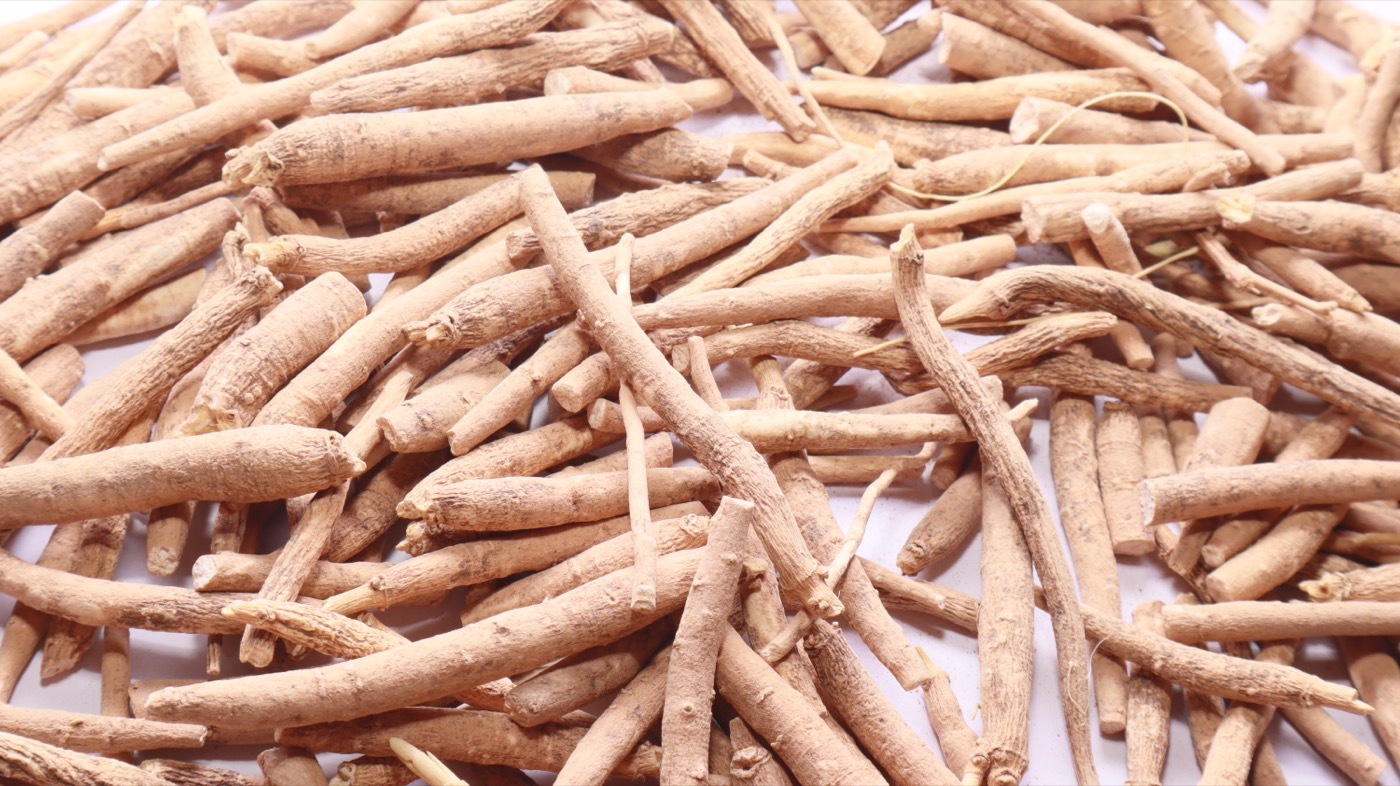
Ashwagandha Extract (Withania somnifera)
Hydro-alcoholic root extract of Withania somnifera standardised to 1.5–10% total withanolides by HPLC. Root-only material, vegan, bulk 25 kg export packing from India with batch COA.
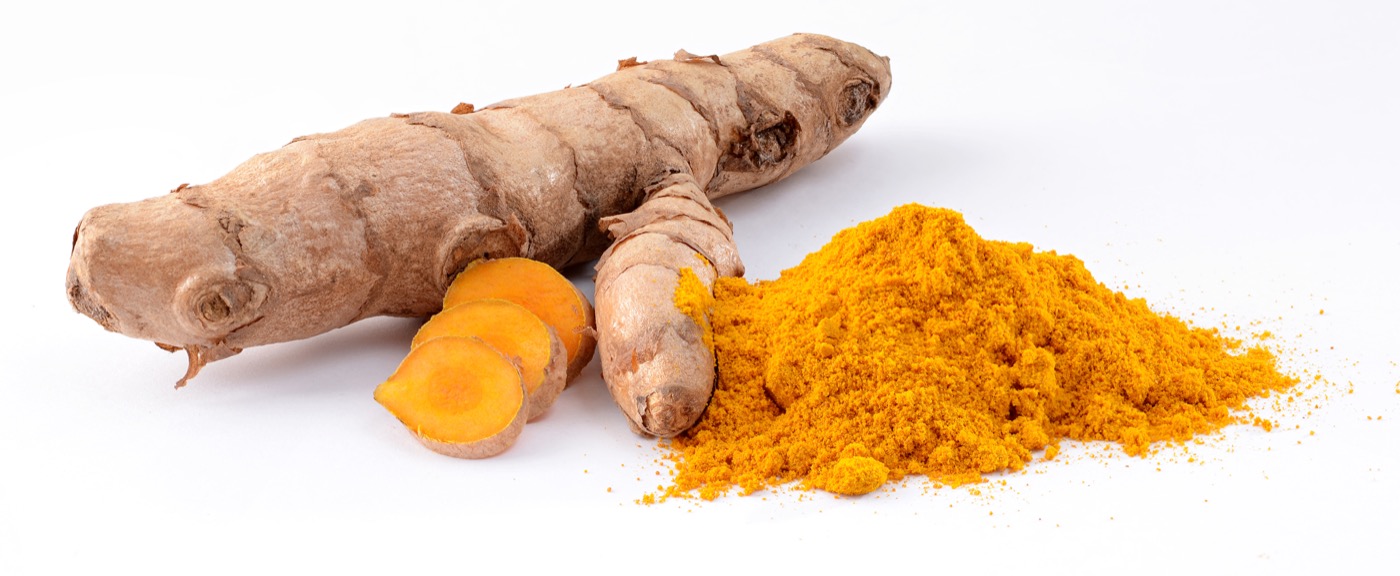
Turmeric Extract / Curcumin 95%
Purified Curcuma longa rhizome extract assaying NLT 95% total curcuminoids by HPLC, in USP curcumin / desmethoxy / bisdesmethoxy proportions. Orange-yellow crystalline powder, vegan.
Turmeric / Curcumin Extract
Standardized curcumin extract (up to 95% curcuminoids) for high-potency anti-inflammatory supplements.