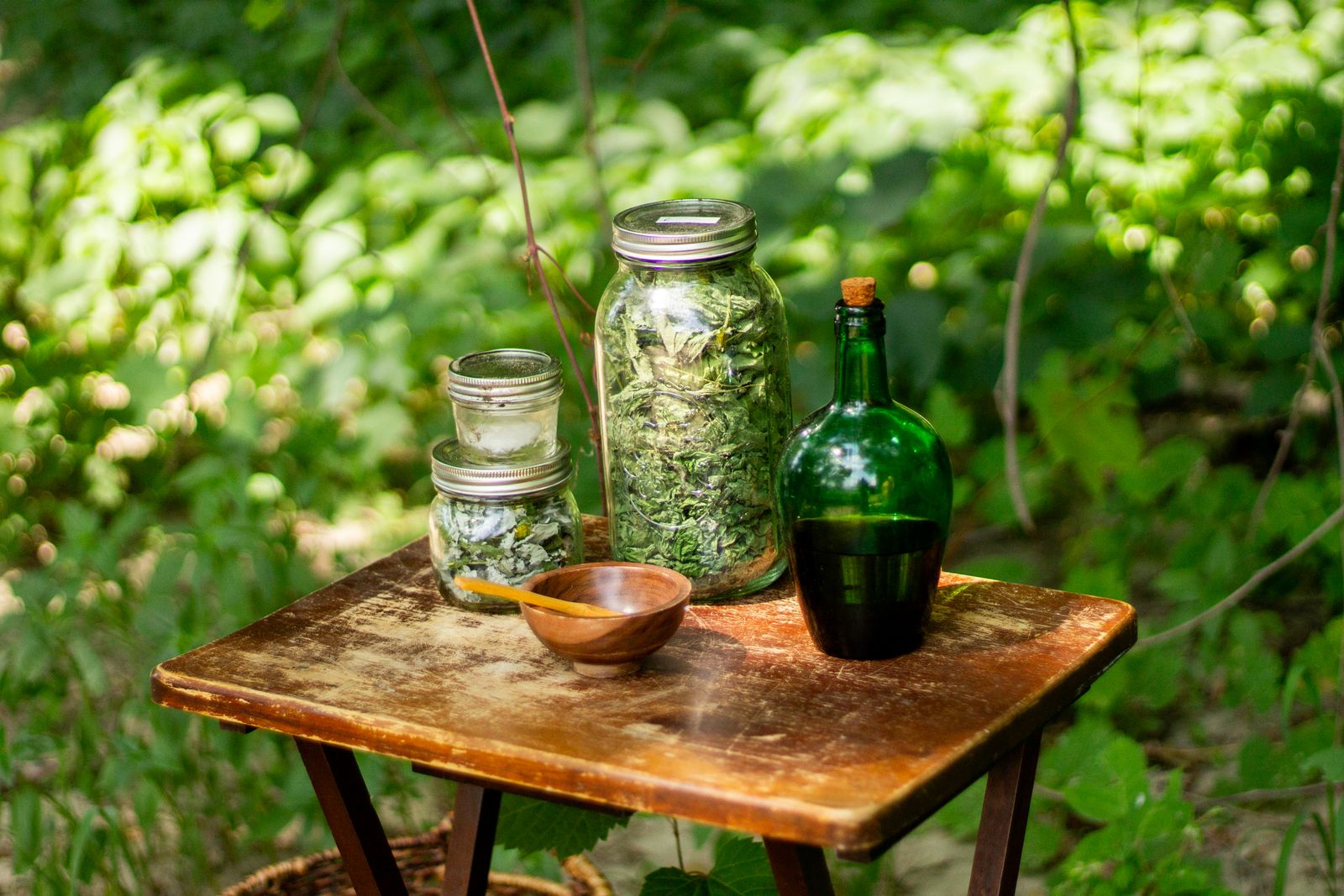
Bhallataka Extract (Semecarpus anacardium)
Extract of shodhita (classically purified) Semecarpus anacardium fruit, urushiol-depleted with residual anacardic acid assayed per lot. Anacardiaceae material — cashew and mango cross-reactivity applies.
Specifications
| Botanical identity | Semecarpus anacardium L.f., Fam. Anacardiaceae. Marking nut, dhobi nut, oriental cashew, varnish tree. Sanskrit Bhallataka, Hindi Bhilawan |
| Plant part and purification | Dried mature fruit (drupe), shodhita material only; fleshy hypocarp separated. Raw unpurified nut is never supplied, in any grade |
| Shodhana basis | Classical purification before extraction. Published Siddha procedures reduced anacardic acid from 5.62% in the raw nut to below detectable limits |
| Marker chemistry | Anacardic acid, 2-hydroxy-6-pentadecylbenzoic acid, C22H36O3, MW 348.5; bhilawanol, a mixture of 3-n-pentadec(en)yl catechols |
| Urushiol status | Bhilawanol A and B are urushiols, the vesicant catechol class found in poison ivy. Residual alkyl-catechol phenolics assayed and stated per lot |
| Specification basis | Ratio extract, 5:1 and 10:1 typical, sold against a residual anacardic acid limit (NMT 0.1% standard, tighter to contract) rather than a marker claim |
| Appearance, mesh, solubility | Dark brown to near-black free-flowing powder, resinous odour. 100% through 80 mesh. Partly soluble in ethanol; poorly soluble in water |
| Handling and PPE | Treat as a skin sensitiser: nitrile gloves, eye protection, dust extraction. Dedicated equipment; never process on a line running nut-free articles |
| Allergen and diet status | Anacardiaceae, tree-nut family. Assume cross-reactivity with cashew, pistachio and mango. Vegan; free of milk, egg, soy, fish, crustacean, gluten |
| Contaminant limits | Lead NMT 3 ppm, arsenic NMT 1 ppm, cadmium NMT 1 ppm, mercury NMT 0.1 ppm. Aflatoxin B1 NMT 2 ppb, total NMT 4 ppb |
| Microbiology | Total plate count NMT 10,000 cfu/g; yeast and mould NMT 500 cfu/g; E. coli, Salmonella and S. aureus absent |
| Regulatory status | Restricted article for licensed Ayurvedic and Siddha manufacture. No authorised EU food use; buyer confirms destination eligibility before shipment |
| Shelf life and storage | 24 months from manufacture in sealed original packing. Store below 25 °C, dry and away from light. Reseal liners immediately after part use |
| HS code | 13021919 for the ratio extract; shodhita milled powder classifies in Chapter 12 (1211 90). Final classification rests with the importing authority |
Applications
Available grades
Shodhita fruit extract at 5:1 and 10:1 ratios; hydro-alcoholic and alcohol-only extractions; deoiled grade with the resinous fraction further reduced; residual anacardic acid tightened to a buyer-specified limit. Shodhita milled fruit powder is offered as a separate article under its own Chapter 12 classification. Raw unpurified nut, fleshy hypocarp material and Semecarpus oil are quoted only against a licensed end use, and the raw nut is not sold as a nutraceutical raw material at all.
Related products
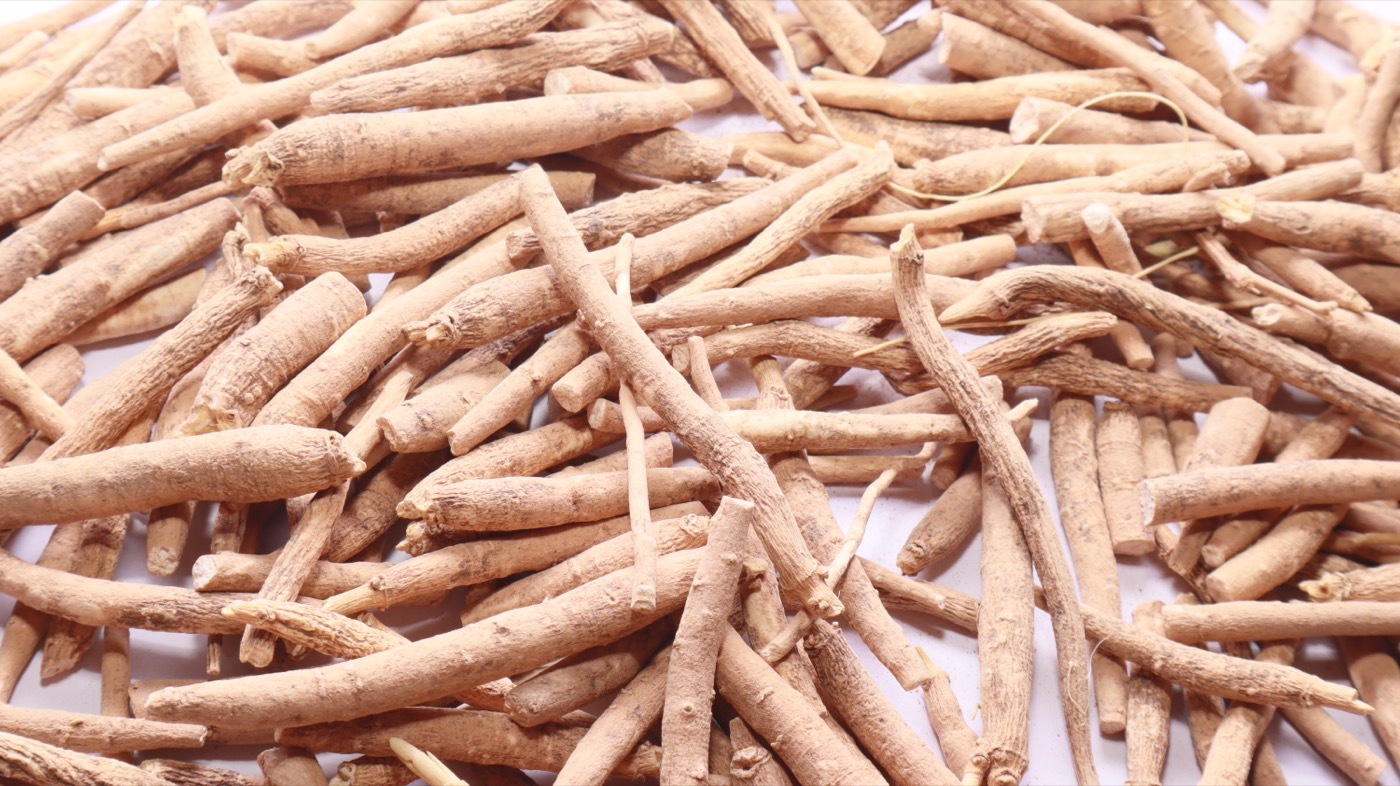
Ashwagandha Extract (Withania somnifera)
Hydro-alcoholic root extract of Withania somnifera standardised to 1.5–10% total withanolides by HPLC. Root-only material, vegan, bulk 25 kg export packing from India with batch COA.
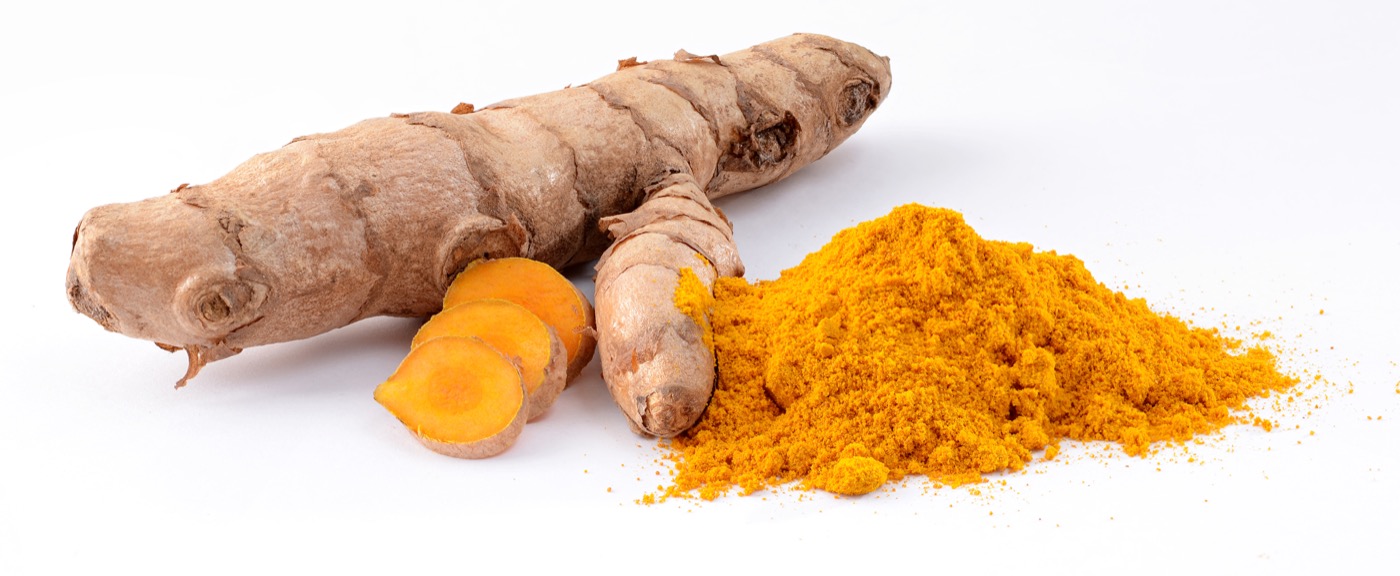
Turmeric Extract / Curcumin 95%
Purified Curcuma longa rhizome extract assaying NLT 95% total curcuminoids by HPLC, in USP curcumin / desmethoxy / bisdesmethoxy proportions. Orange-yellow crystalline powder, vegan.
Turmeric / Curcumin Extract
Standardized curcumin extract (up to 95% curcuminoids) for high-potency anti-inflammatory supplements.