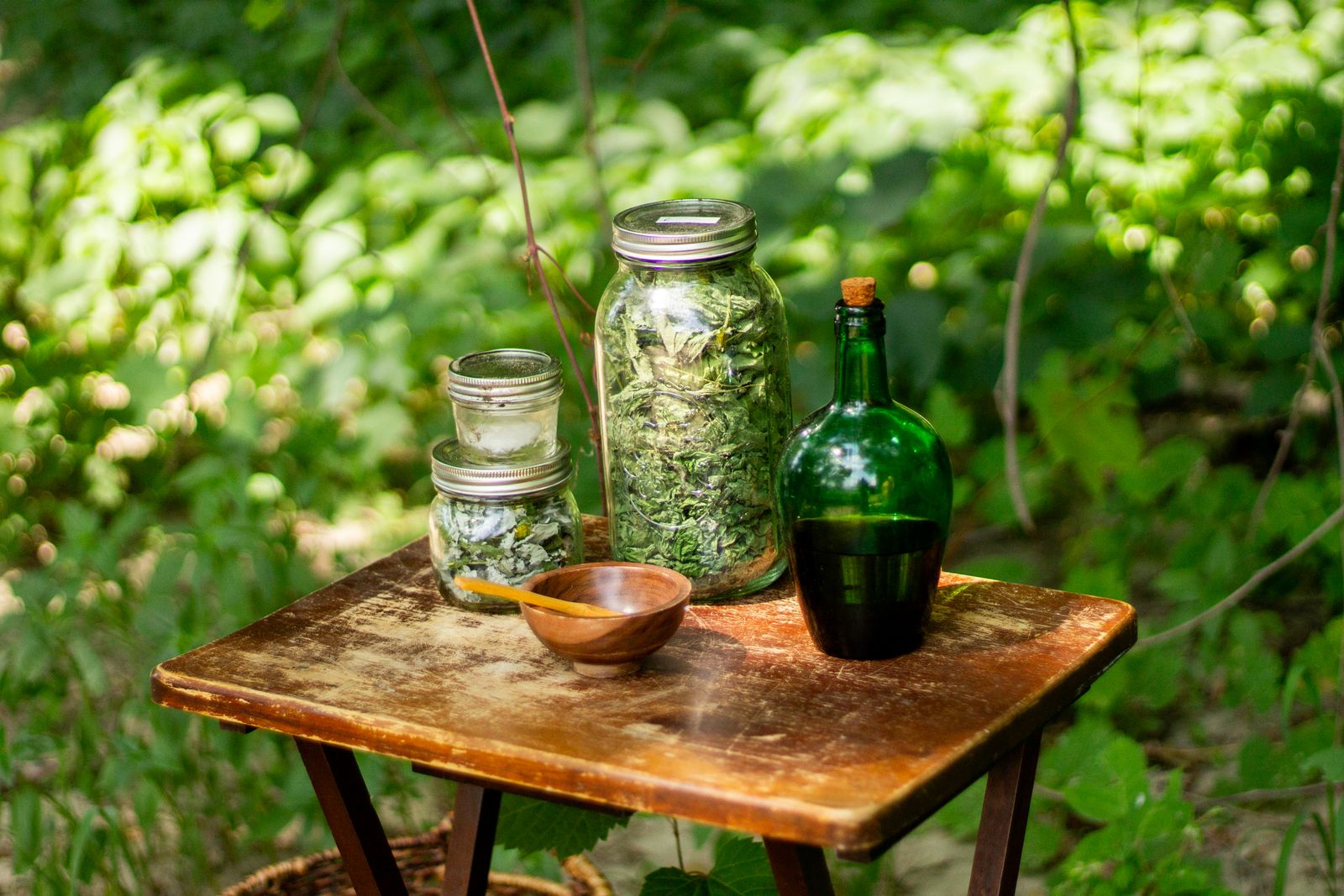
Berberine HCl
Isolated berberine hydrochloride, assay NLT 97% by HPLC, CAS 633-65-8. Plant-extracted or synthetic origin declared, with impurity documentation. Vegan, non-GMO, bulk from India.
Specifications
| Chemical identity | Berberine hydrochloride, also called berberine chloride. A quaternary protoberberine isoquinoline alkaloid salt; a discrete chemical, not a plant extract. |
| CAS numbers | 633-65-8 anhydrous chloride salt; 5956-60-5 dihydrate, the usual commercial form; 2086-83-1 berberine cation/free base. The supplied form is named on the CoA. |
| Molecular formula and weight | C20H18ClNO4, also written C20H17NO4.HCl. MW 371.81 anhydrous; approx. 407.8 as the dihydrate. |
| Assay | NLT 97.0% by HPLC on the dried or anhydrous basis, UV detection near 345 nm; 98% grade available. Identity by IR and HPLC retention against a reference standard. |
| Appearance | Bright yellow crystalline powder, practically odourless, intensely bitter. A strong natural yellow colourant that stains equipment and textiles. |
| Melting point | Reported 204-206 degrees C with decomposition. |
| Solubility | Slightly soluble in cold water and more soluble in hot water; sparingly soluble in ethanol; practically insoluble in chloroform and ether. Hygroscopic. |
| Loss on drying | 8.0-12.0% for the dihydrate grade; NMT 3.0% for anhydrous material. Always reconcile the assay basis against LOD before calculating a formula overage. |
| Origin route (declared) | Plant-extracted from Berberis aristata, Coptis chinensis or Phellodendron species, or chemically synthesised. Route is stated per lot and never left implicit. |
| Impurity note by route | Synthetic routes using veratraldehyde with secondary amines, nitrite and strong acid carry nitrosamine risk; aqueous/alcoholic plant extraction does not create those conditions. |
| Origin verification | Stable isotope ratio analysis (SIRA) can discriminate plant-derived from synthetic berberine and is available as an add-on test where a natural-origin label claim is made. |
| Heavy metals and microbiology | Pb NMT 3 ppm, As NMT 1 ppm, Cd NMT 1 ppm, Hg NMT 0.1 ppm. TPC NMT 1,000 cfu/g; yeast and mould NMT 100 cfu/g; E. coli, Salmonella and S. aureus absent. |
| Particle size | NLT 95% through 80 mesh as standard. Micronised and granulated grades available for direct compression and capsule filling. |
| Allergen, diet and origin status | Vegan and vegetarian. No milk, egg, soy, fish, crustacean, gluten, peanut or tree-nut inputs; no animal, bovine, porcine or marine material. Non-GMO. Halal and Kosher on request. |
| Regulatory note for buyers | EFSA draft opinion endorsed Jan 2026 set no safe berberine intake level (consultation 2 Mar-4 May 2026); ANSES opined in 2019; Belgium caps 10 mg/day. Verify destination rules. |
| Shelf life | 36 months from manufacture in unopened original packing, cool and dry, protected from light and moisture. |
| HS code | 2939 79 90 |
Applications
Available grades
Assay 97% and 98% by HPLC; dihydrate (the usual commercial form) or dried anhydrous basis; plant-extracted grade from Berberis aristata, Coptis chinensis or Phellodendron, and synthetic grade, each with route-appropriate impurity and residual-solvent data; standard 80 mesh, micronised and granulated direct-compression grades; SIRA natural-origin verification available as an add-on.
Related products
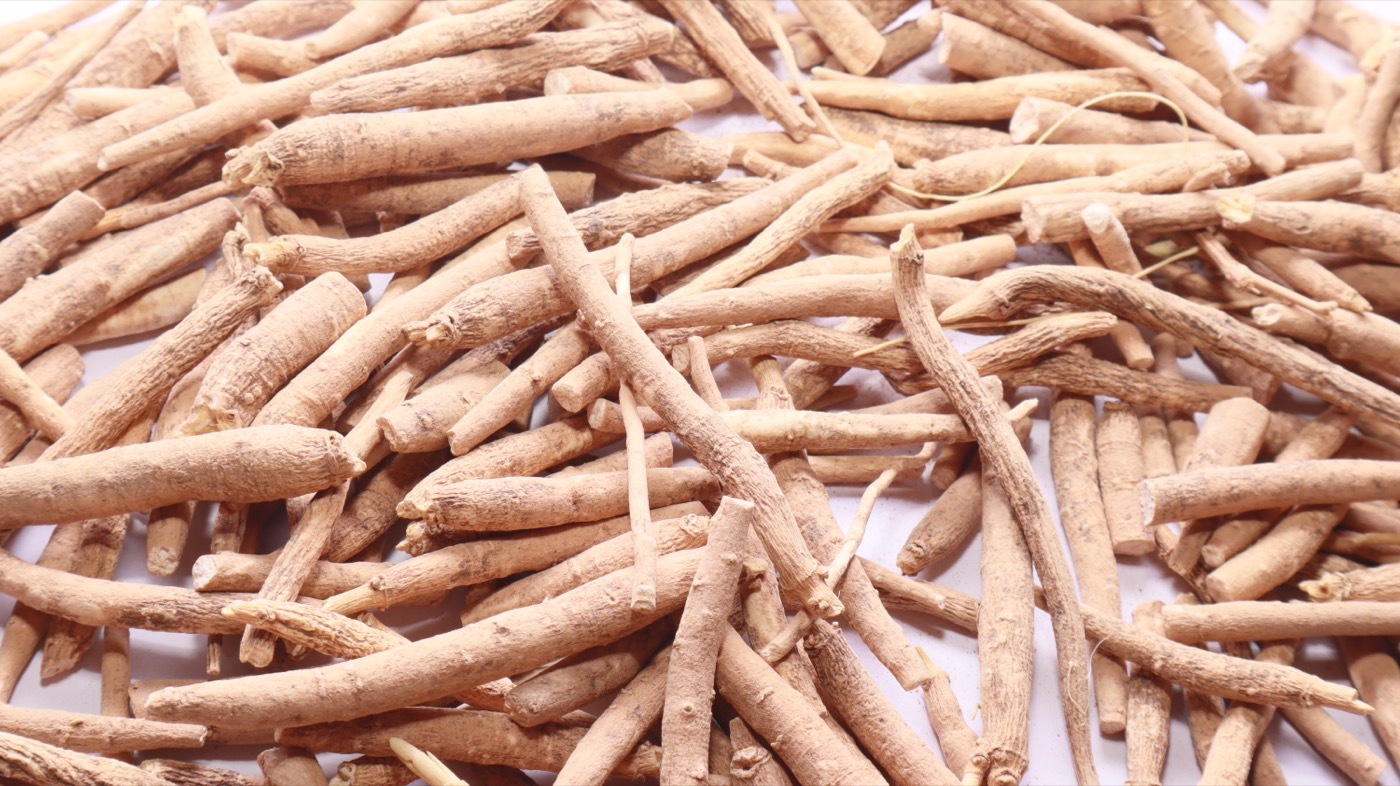
Ashwagandha Extract (Withania somnifera)
Hydro-alcoholic root extract of Withania somnifera standardised to 1.5–10% total withanolides by HPLC. Root-only material, vegan, bulk 25 kg export packing from India with batch COA.
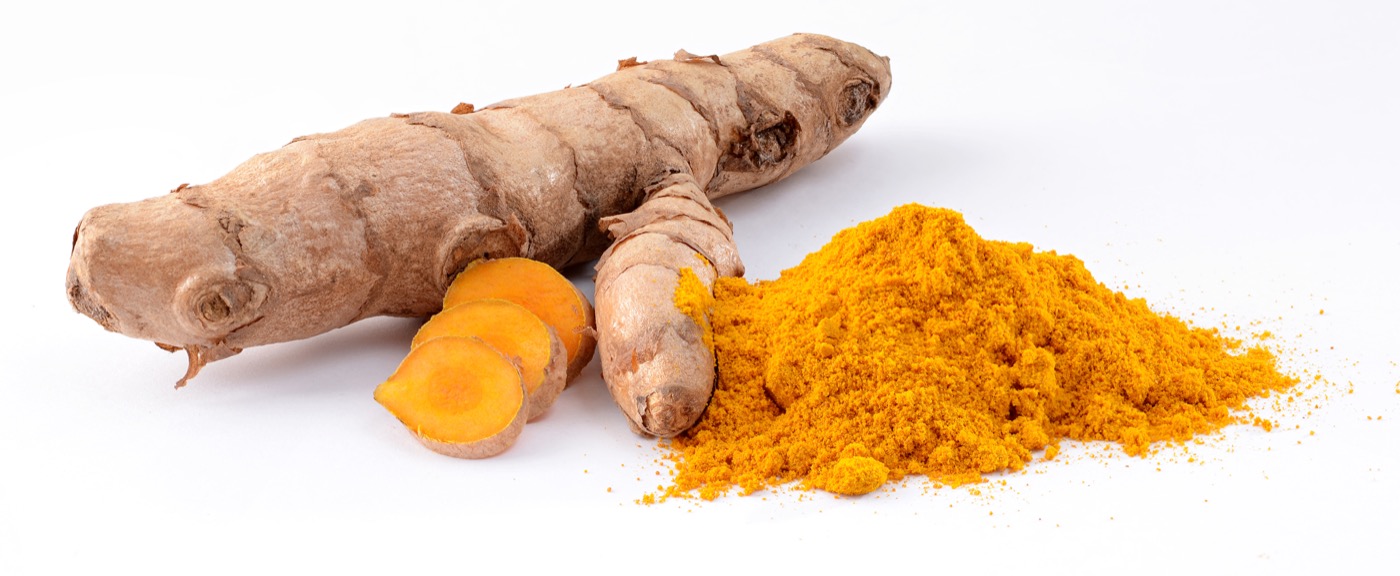
Turmeric Extract / Curcumin 95%
Purified Curcuma longa rhizome extract assaying NLT 95% total curcuminoids by HPLC, in USP curcumin / desmethoxy / bisdesmethoxy proportions. Orange-yellow crystalline powder, vegan.
Turmeric / Curcumin Extract
Standardized curcumin extract (up to 95% curcuminoids) for high-potency anti-inflammatory supplements.