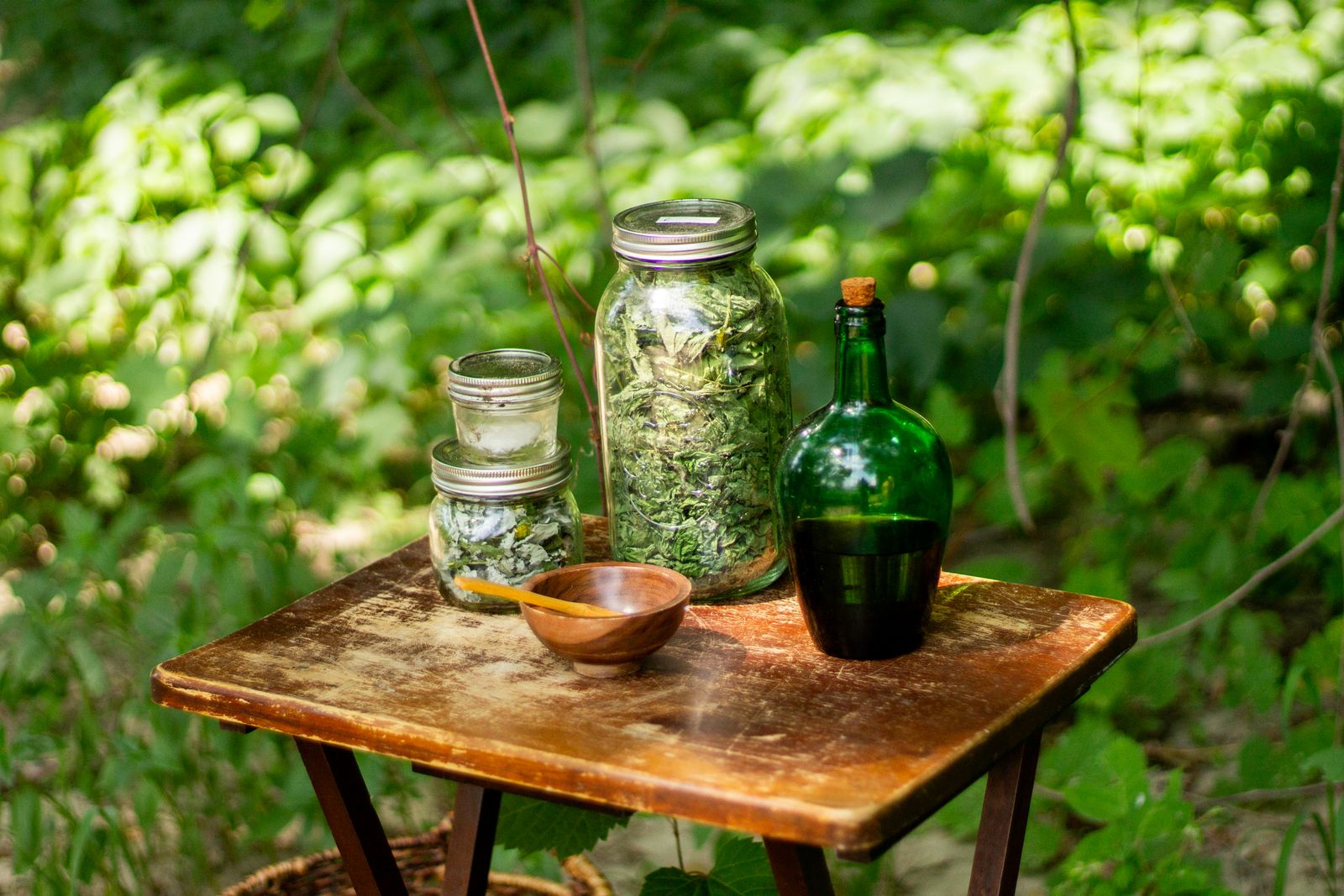
Beetroot Extract (Nitrate Standardised)
Spray-dried water extract of red beetroot standardised on dietary nitrate, 1.0% to 6.5% NO3− by ion chromatography. Betalain-standardised grades also supplied. Vegan, allergen-free, hygroscopic.
Specifications
| Botanical source | Beta vulgaris L. subsp. vulgaris (Conditiva Group), red garden beet. Country of origin India; other origins by agreement. |
| Plant part | Swollen storage root, peel and flesh. No leaf, stem or seed material. Sugar beet is not used. |
| Extraction | Water extraction, vacuum concentration and spray drying. Ethanol-free process; no chlorinated or hydrocarbon solvent at any stage. |
| Standardisation | Nitrate (NO3−) at 1.0%, 2.0%, 3.0% or 6.5% minimum, assayed by ion chromatography or HPLC-UV. Grade stated on the CoA. |
| Alternative marker | Betalain-standardised grades, typically 0.5–1.0% total betalains (betanin, isobetanin, vulgaxanthin I), supplied where pigment is the spec. |
| Appearance & odour | Fine free-flowing powder, deep red to purple-red; characteristic earthy beet odour and slightly sweet taste. |
| Carrier | Carrier-free or spray dried onto maize maltodextrin; carrier type and level stated per lot for label declaration. |
| Solubility | Freely soluble in water giving a clear to slightly hazy red solution; sparingly soluble in ethanol; insoluble in oils. |
| Moisture | NMT 5.0%; loss on drying reported per batch. Bulk density reported for tablet and capsule feasibility. |
| Nitrite | Screened and reported on every certificate of analysis; maximum limit fixed by written agreement with the buyer. |
| Purity & microbiology | Pb, As, Cd and Hg plus total plate count, yeast/mould, E. coli and Salmonella on every CoA. Pesticide residue screen on request. |
| Allergen & diet status | Vegan and vegetarian. No milk, egg, soy, fish, crustacean, tree-nut or gluten input. Not bovine, porcine or marine. Carrier is maize-derived. |
| Stability, storage & shelf life | Hygroscopic, light- and heat-sensitive. Store sealed with desiccant below 25 °C at under 60% RH. 24 months unopened. |
| HS code | India ITC-HS 1302.19.19 — vegetable saps and extracts, other, extracts, other. See classification note. |
Applications
Available grades
Nitrate grades at 1.0%, 2.0%, 3.0% and 6.5% minimum NO3−; betalain-standardised grades at 0.5–1.0% total betalains. Carrier-free and maize-maltodextrin-carried versions. Conventional and certified organic (NOP / EU 2018/848). Spray-dried beetroot JUICE powder and beetroot red colour to E162 specification are separate SKUs on separate specifications and are not interchangeable with this article.
Related products
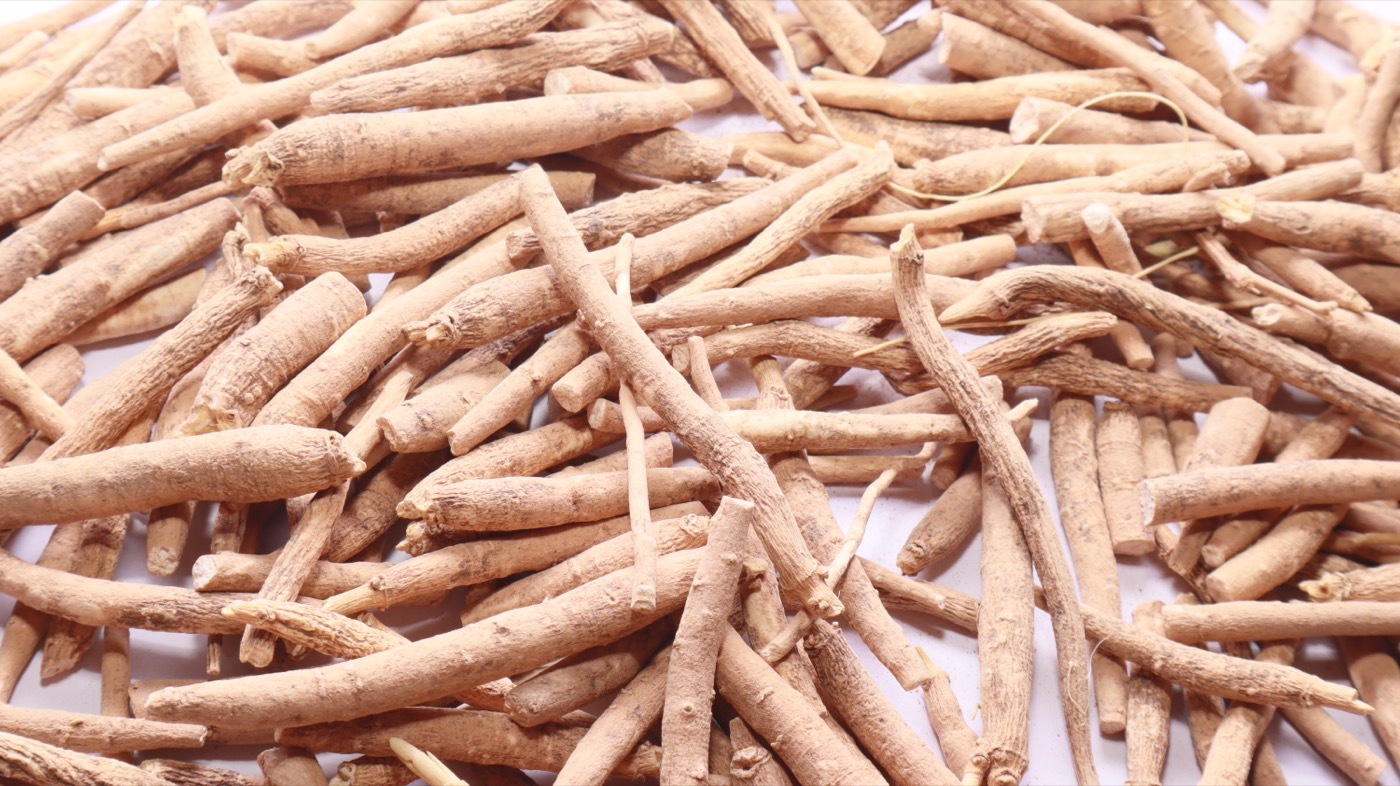
Ashwagandha Extract (Withania somnifera)
Hydro-alcoholic root extract of Withania somnifera standardised to 1.5–10% total withanolides by HPLC. Root-only material, vegan, bulk 25 kg export packing from India with batch COA.
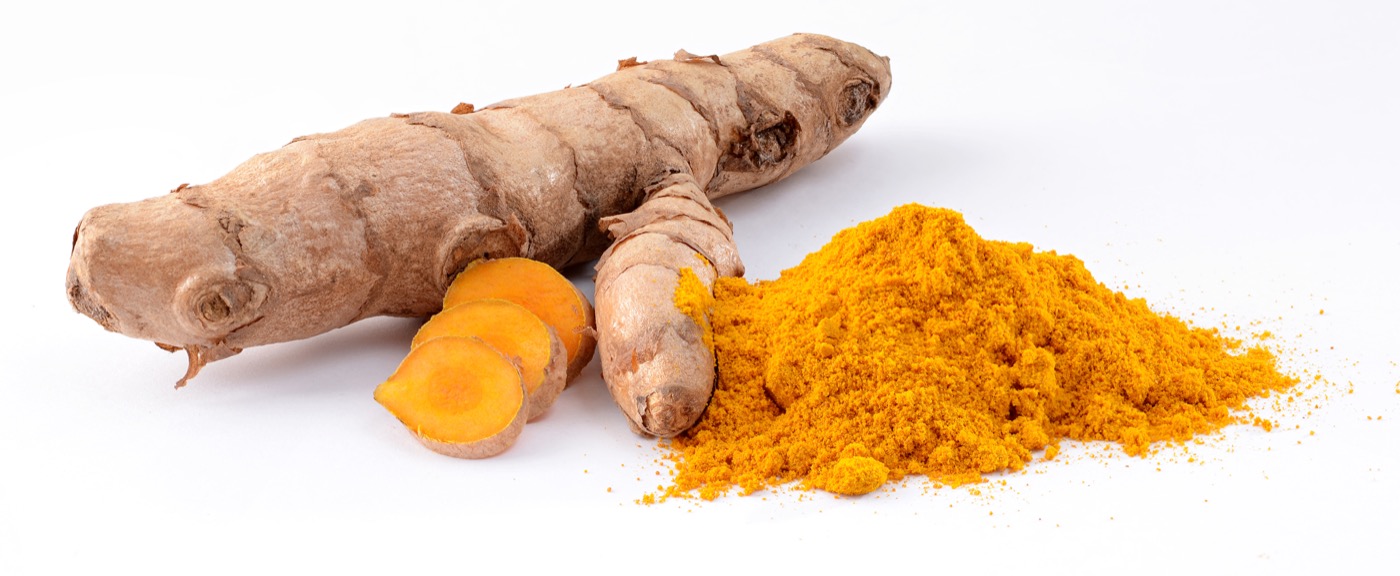
Turmeric Extract / Curcumin 95%
Purified Curcuma longa rhizome extract assaying NLT 95% total curcuminoids by HPLC, in USP curcumin / desmethoxy / bisdesmethoxy proportions. Orange-yellow crystalline powder, vegan.
Turmeric / Curcumin Extract
Standardized curcumin extract (up to 95% curcuminoids) for high-potency anti-inflammatory supplements.