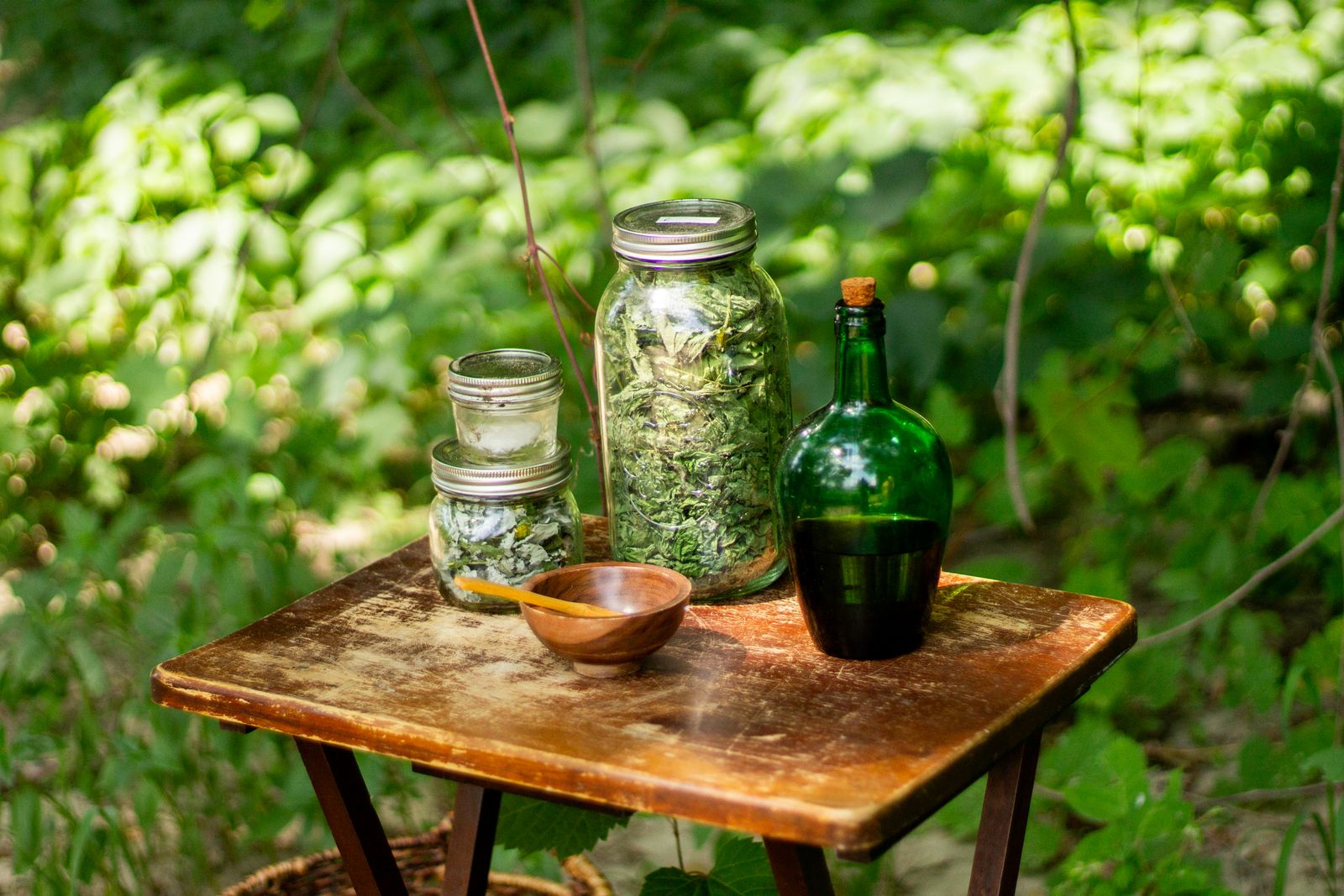
Barley Grass Powder
Bright green leaf powder milled from young Hordeum vulgare cut before jointing. Whole-leaf greens base carrying chlorophyll, saponarin and native fibre. Barley is a gluten cereal — declare accordingly.
Specifications
| Botanical source | Hordeum vulgare L. (Poaceae), cultivated barley. Country of origin India; other origins by agreement. |
| Plant part & harvest stage | Young aerial leaf only, cut before jointing — no stem elongation, no ear, no grain. Roots and seed excluded. |
| Processing | Washed, dewatered, low-temperature dried, milled and sieved. No solvent, no extraction step, no added carrier or excipient. |
| Appearance & odour | Bright to deep green fine powder; characteristic fresh grassy odour and taste. Colour depth tracks chlorophyll retention. |
| Particle size | 95% through 80 mesh as standard; 100 and 120 mesh cuts available on request. |
| Moisture | NMT 8.0%; loss on drying reported on every certificate of analysis. |
| Protein & dietary fibre | Reported per batch. Published means for dried barley grass: protein 27.3 ± 4.3% (N x 6.25), dietary fibre 29.5%. |
| Chlorophyll | Reported per batch. Published range for dried barley grass 438–662 mg/100 g; standardised lots by prior agreement. |
| Flavone markers | Saponarin 300–1260 mg/100 g and lutonarin 200–540 mg/100 g reported in the literature; HPLC assay on request. |
| Solubility | Water-dispersible, not water-soluble. Whole-leaf fibre settles on standing; suspension aids needed for RTD formats. |
| Purity & microbiology | Pb, As, Cd and Hg plus total plate count, yeast/mould, E. coli and Salmonella on every CoA. Pesticide residue screen on request. |
| Allergen & diet status | Vegan and vegetarian. No milk, egg, soy, fish, crustacean or tree-nut input. Not of bovine, porcine or marine origin. |
| Gluten status | Barley is an Annex II gluten cereal (EU 1169/2011) — must be declared. R5 ELISA vs the 20 mg/kg limit of EU 828/2014 supplied on request. |
| Shelf life, storage & | 24 months in unopened original packing below 25 °C, RH under 60%, protected from light. |
| HS code | 1211.90.29 |
Applications
Available grades
Conventional and certified organic (NOP / EU 2018/848, certificate with each shipment). Standard 80 mesh; 100 and 120 mesh cuts; steam-treated low-microbial grade for capsules and stick packs; chlorophyll- or saponarin-standardised lots to order. Barley grass JUICE powder — the pressed and dried juice, lower in fibre and water-soluble — is a separate SKU on a separate specification.
Related products
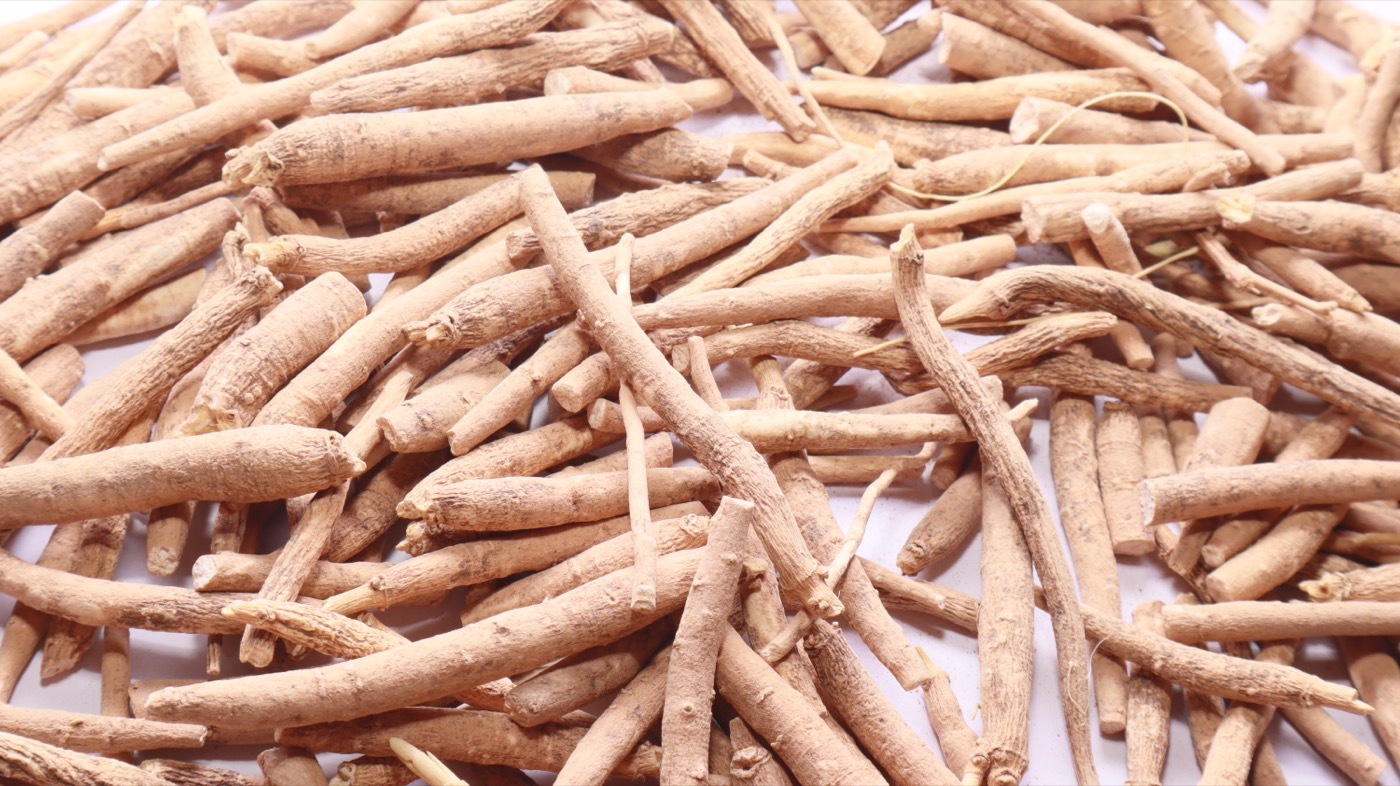
Ashwagandha Extract (Withania somnifera)
Hydro-alcoholic root extract of Withania somnifera standardised to 1.5–10% total withanolides by HPLC. Root-only material, vegan, bulk 25 kg export packing from India with batch COA.
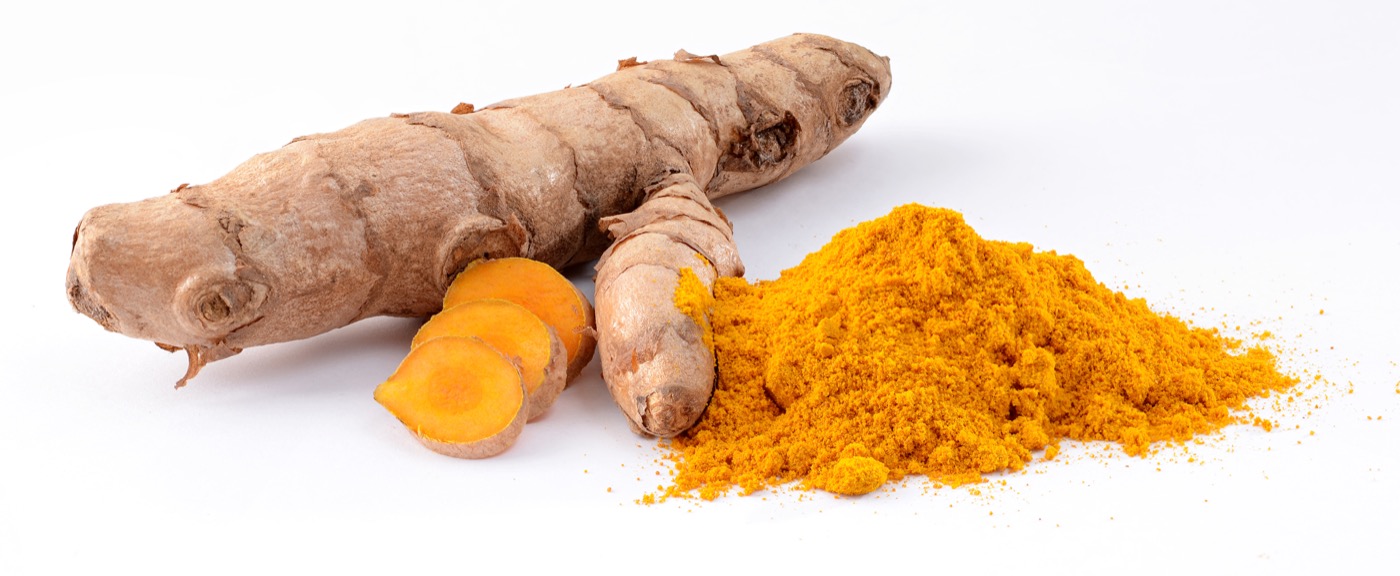
Turmeric Extract / Curcumin 95%
Purified Curcuma longa rhizome extract assaying NLT 95% total curcuminoids by HPLC, in USP curcumin / desmethoxy / bisdesmethoxy proportions. Orange-yellow crystalline powder, vegan.
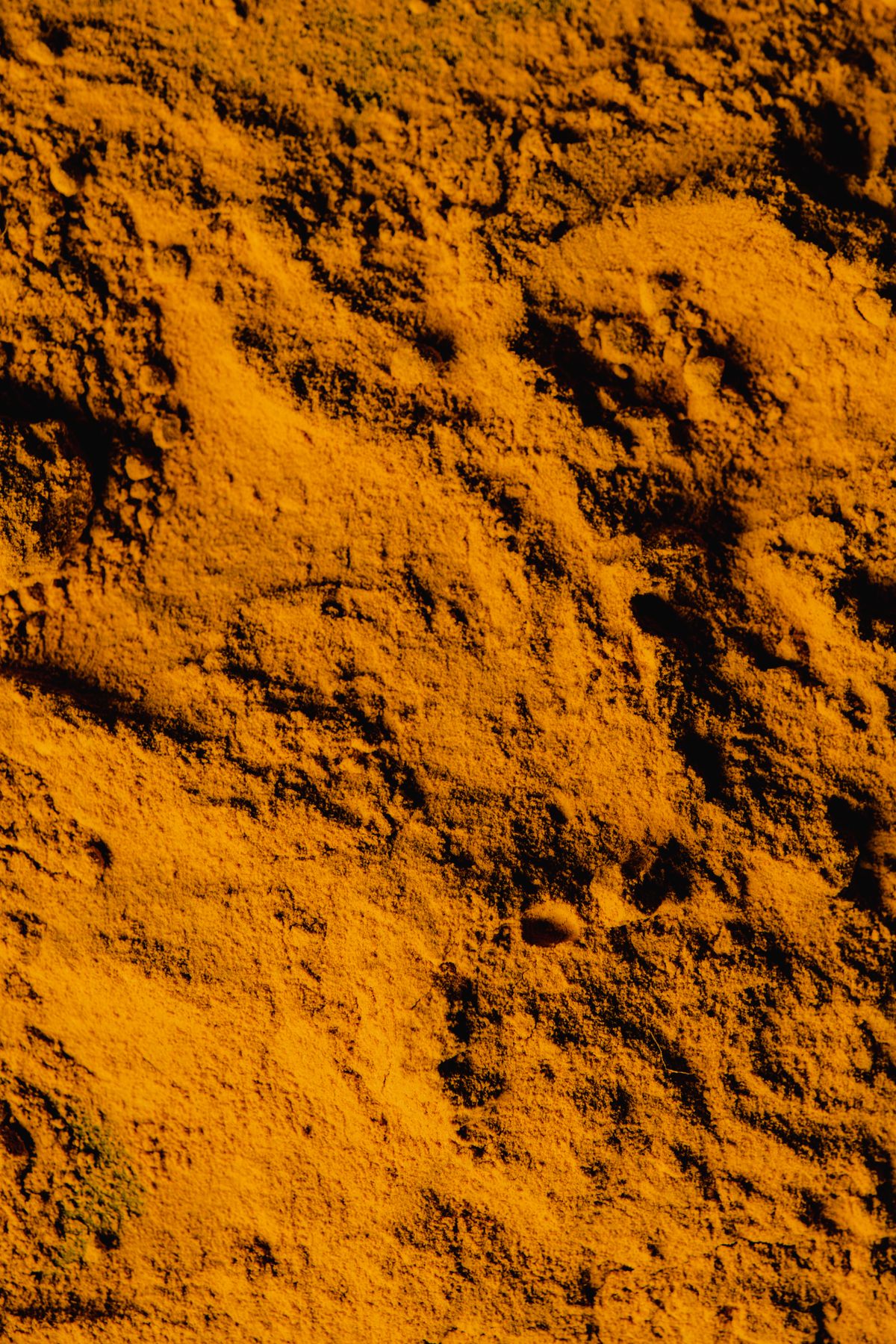
Turmeric / Curcumin Extract
Standardized curcumin extract (up to 95% curcuminoids) for high-potency anti-inflammatory supplements.