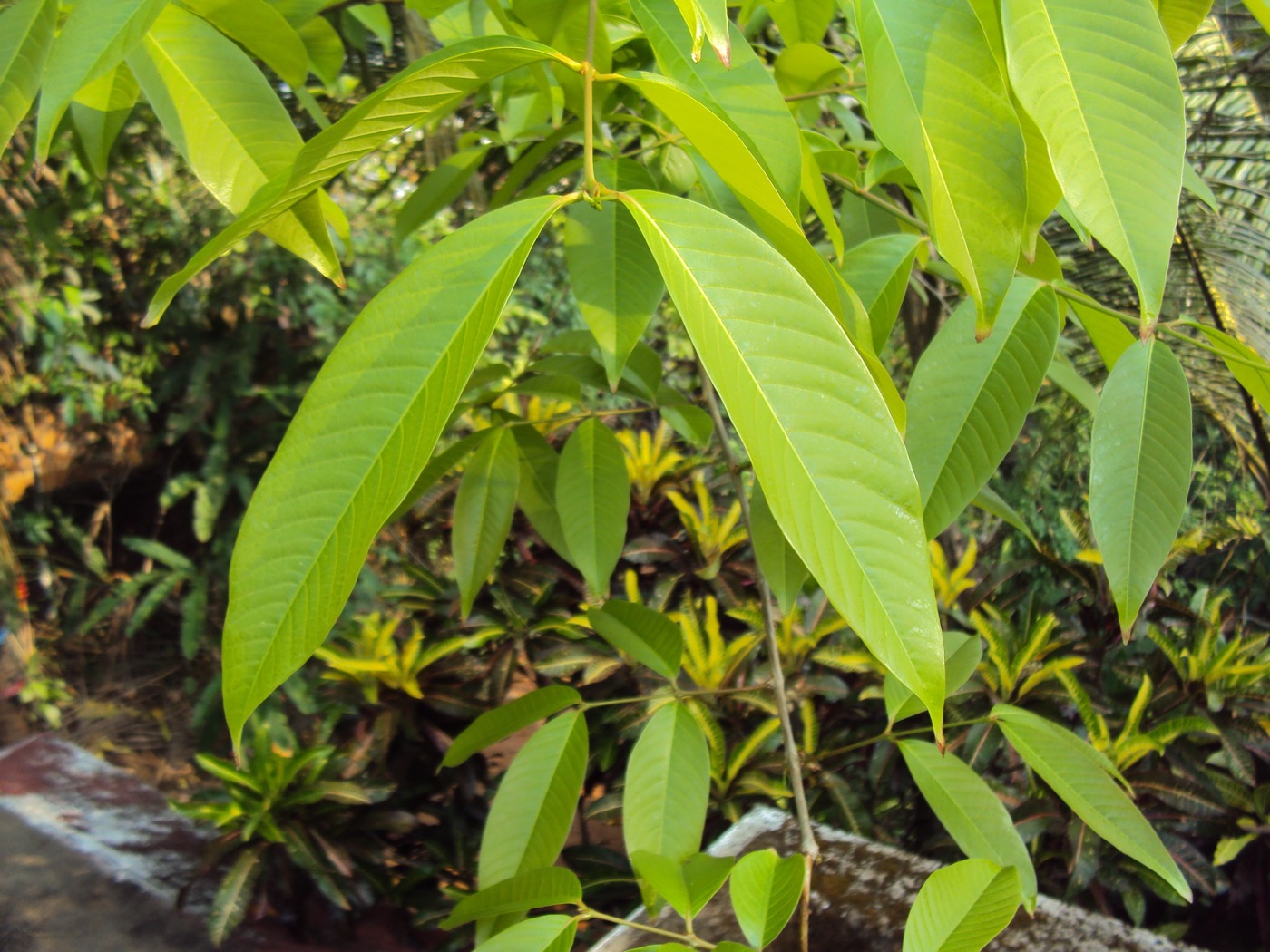
Banaba Leaf Extract (Corosolic Acid)
Banaba leaf extract from Lagerstroemia speciosa standardised to 1% or 2% corosolic acid by HPLC, with 10:1 and 20:1 ratio grades retaining the ellagitannin profile. Vegan, non-GMO.
Specifications
| Botanical source and part | Lagerstroemia speciosa (L.) Pers., family Lythraceae; dried leaves. India (Western Ghats, Assam, West Bengal) and tropical South and Southeast Asia. Jarul or Tamhan in India. |
| Marker compound and native level | Corosolic acid, CAS 4547-24-4, C30H48O4, MW 472.71; 2-alpha,3-beta-dihydroxyurs-12-en-28-oic acid. Native level in banaba leaf is about 0.31–0.38% of leaf weight. |
| Standardisation grades | Corosolic acid 1% and 2% by HPLC as the core leaf-extract grades; 10%, 20% and 98% enriched or isolate grades to order. Native ratio extracts 10:1 and 20:1. |
| Assay method and marker origin | HPLC, with the method shown to resolve corosolic acid from ursolic acid — they differ only by the 2-alpha-hydroxyl. Botanical origin declared on every enriched grade. |
| Secondary constituents | Ellagitannins lagerstroemin, flosin B and reginin A, plus maslinic acid, ellagic acid, kaempferol, quercetin, isoquercitrin and sitosterol. Retained in ratio extracts. |
| Appearance and particle size | Fine free-flowing powder, light brown to greenish brown with a characteristic leafy odour. Typically 95% through 80 mesh; granular grade to order. |
| Solubility | Ratio extracts are largely water-dispersible. Corosolic acid is lipophilic, so high-assay grades disperse rather than dissolve and suit capsules and tablets better than drinks. |
| Extraction solvent | Water and food-grade ethanol; no chlorinated solvents. Residual solvents to USP <467> Class 2 and Class 3 limits. |
| Loss on drying and ash | Loss on drying NMT 5.0%. Total ash NMT 5.0%; acid-insoluble ash NMT 2.0%. Bulk density typically 0.35–0.60 g/mL. |
| Heavy metals and residues | Lead NMT 3 ppm, arsenic NMT 2 ppm, cadmium NMT 1 ppm, mercury NMT 0.1 ppm; pesticide residues within EU MRLs. Certificate issued per lot. |
| Microbiological limits | Total plate count NMT 10,000 cfu/g; yeast and mould NMT 500 cfu/g; E. coli, Salmonella and S. aureus absent in the specified sample size. |
| Allergen and dietary status | Vegan and vegetarian. No milk, egg, soy, fish, crustacean, gluten or nut inputs; no bovine or porcine material or processing aids. Non-GMO; no declarable allergen. |
| Shelf life and storage | 24 months from manufacture in unopened original packing. Store below 25 °C, cool, dry and away from light. Hygroscopic and light-sensitive — reseal promptly. |
| HS code (India ITC-HS) | 1302.19.19 (13021919) for the 1-20% extract grades; 2918.19.90 (29181990) for the 98% corosolic acid isolate |
Applications
Available grades
Corosolic acid 1% and 2% by HPLC as core leaf-extract grades. Enriched 10% and 20% grades and 98% corosolic acid isolate to order, with the botanical origin of the corosolic acid declared on the specification. Native ratio extracts 10:1 and 20:1 retaining the ellagitannin profile. Water-dispersible instant grade for beverage premixes. Organic (NPOP / NOP / EU), Kosher and Halal certified lots to order.
Related products
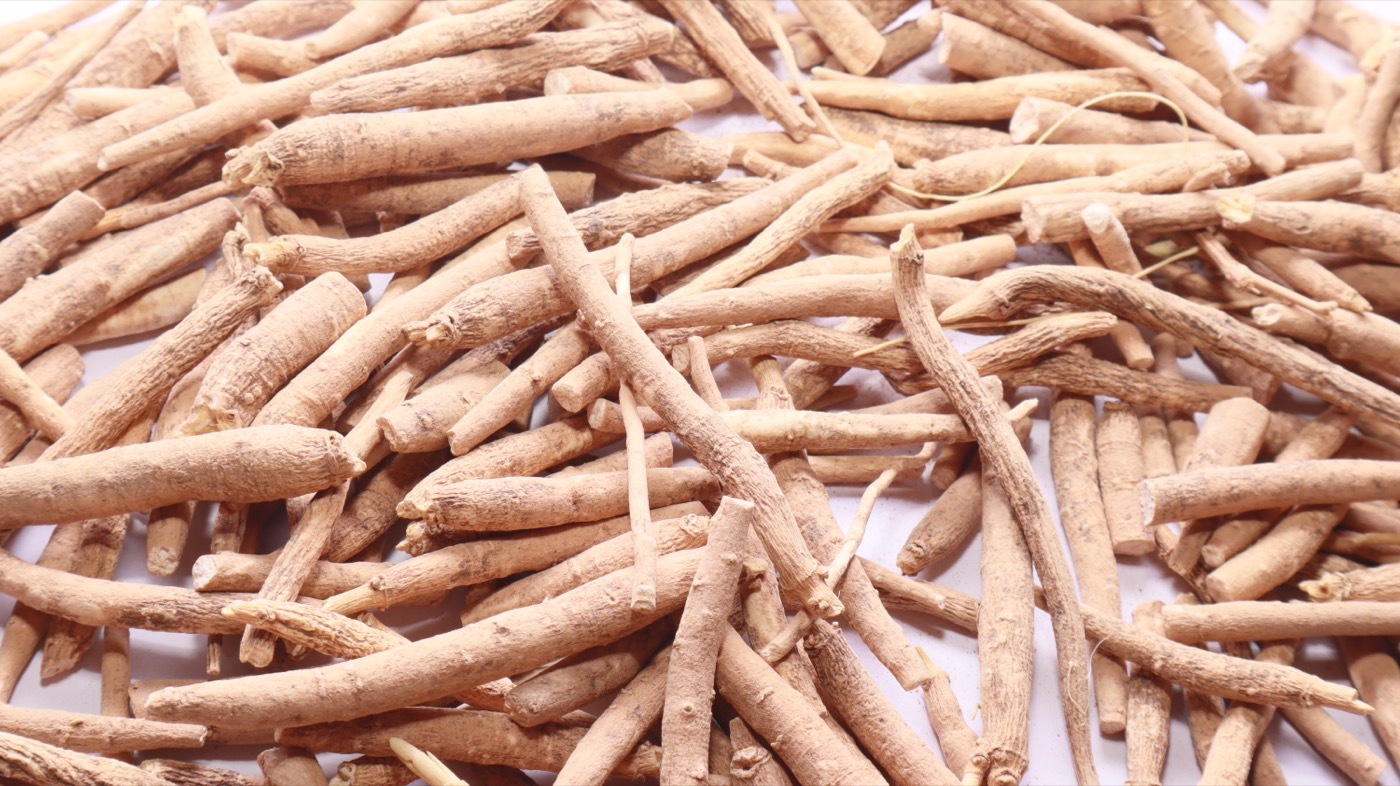
Ashwagandha Extract (Withania somnifera)
Hydro-alcoholic root extract of Withania somnifera standardised to 1.5–10% total withanolides by HPLC. Root-only material, vegan, bulk 25 kg export packing from India with batch COA.
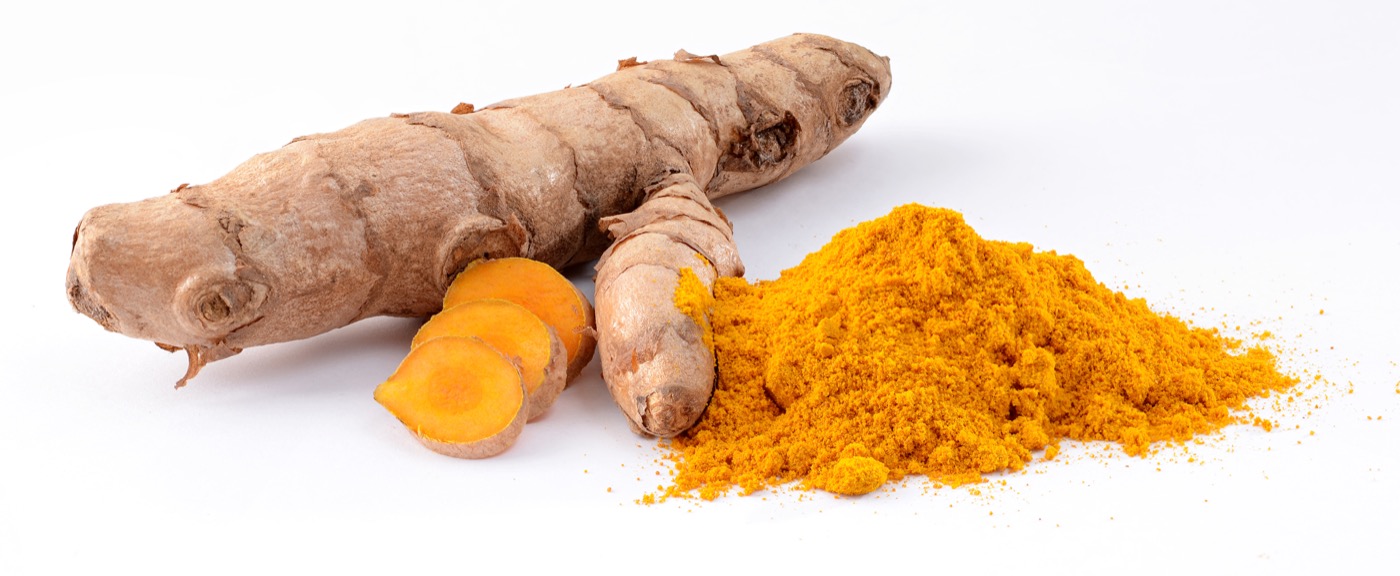
Turmeric Extract / Curcumin 95%
Purified Curcuma longa rhizome extract assaying NLT 95% total curcuminoids by HPLC, in USP curcumin / desmethoxy / bisdesmethoxy proportions. Orange-yellow crystalline powder, vegan.
Turmeric / Curcumin Extract
Standardized curcumin extract (up to 95% curcuminoids) for high-potency anti-inflammatory supplements.