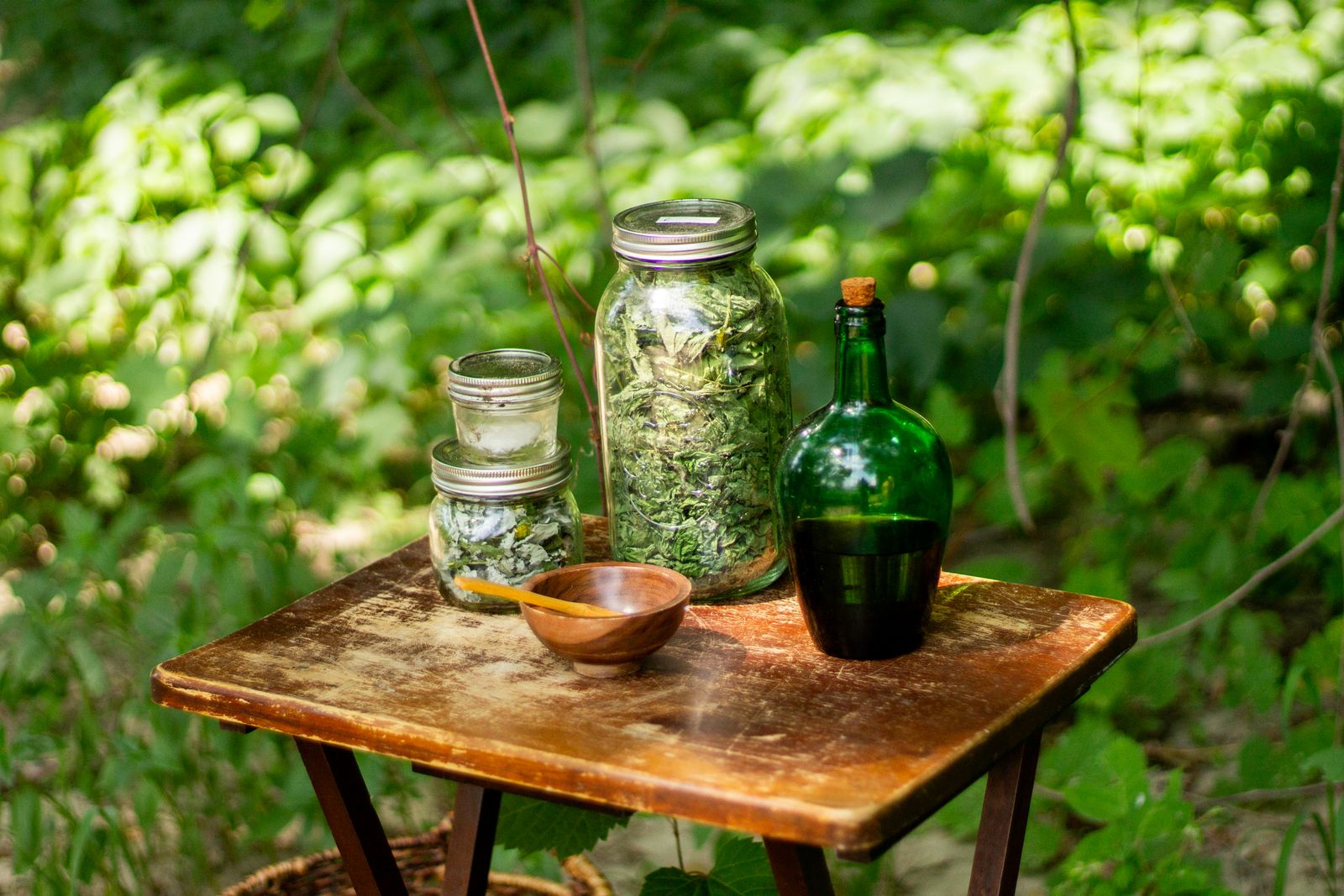
Bacopa and Centella Cognitive Blend (Brahmi + Mandukaparni)
Two-herb nootropic blend of Bacopa monnieri and Centella asiatica extracts in a declared ratio, with bacosides and asiaticosides assayed on the finished mix. Vegan, allergen-free, bulk from India.
Specifications
| Composition | Blend of two standardised extracts: Bacopa monnieri (L.) Wettst. whole herb and Centella asiatica (L.) Urb. aerial parts. Standard ratio 60:40 by weight. |
| Why both botanicals | Brahmi names both plants in trade - Bacopa in the north, Centella (Mandukaparni) in the south. This blend carries both, each declared by Latin binomial. |
| Bacopa component | Bacopa monnieri extract at 20% total bacosides by UV; USP-method HPLC grades also available. UV and HPLC values are not interchangeable - fix one on the spec. |
| Centella component | Centella asiatica extract at 10% asiaticosides by HPLC. Versions using 20% or 40% total triterpenes are built for higher-strength blends. |
| Finished blend assay | At the standard 60:40 ratio: total bacosides NLT 12% and asiaticosides NLT 4%, both assayed on the finished blend, not calculated from component certificates. |
| Marker compounds | Bacopa: bacoside A3, bacopaside I and II, jujubogenin isomer of bacopasaponin C, bacopasaponin C. Centella: asiaticoside, madecassoside, asiatic and madecassic acids. |
| Assay methods | Reverse-phase HPLC, C18 column, UV detection for both marker groups against reference standards; UV spectrophotometry offered for bacosides as the legacy method. |
| Blend uniformity | V-blender or ribbon-blended, then screened to 80 mesh. Uniformity confirmed by assaying top, middle and bottom draws from each blend lot. |
| Appearance and taste | Fine yellow-brown to brown powder with a characteristic herbal odour and pronounced bitter taste. No added colour, flavour, sweetener or preservative. |
| Solubility | Water-dispersible and freely soluble in hydroalcoholic media. The Centella genin fraction limits clarity in cold water, so not suited to clear RTD beverages. |
| Custom ratios | 50:50 and 70:30 builds, high-strength versions on 50% bacoside and 20% triterpene components, and native 10:1 water-extracted versions for clean-label ranges. |
| Heavy metals and residues | Typical spec lead NMT 3 ppm, arsenic NMT 1 ppm, cadmium NMT 1 ppm, mercury NMT 0.1 ppm by ICP-MS; pesticide screen to EU MRLs. Solvents water and ethanol only. |
| Microbiology | Total plate count NMT 100,000 cfu/g, yeast and mould NMT 1,000 cfu/g, E. coli and Salmonella absent. Non-irradiated and steam-treated options. |
| Allergen and dietary status | Vegan and vegetarian. No milk, egg, soy, fish, crustacean, gluten, sesame or nut inputs. Non-GMO. Kosher and halal certification on request. |
| Shelf life | 24 months from manufacture in sealed original packing below 25 C, protected from light. Declare as |
| HS code | 2106 90 99 - see classification note |
Applications
Available grades
Standard 60:40 Bacopa:Centella at bacosides 12% (UV) and asiaticosides 4% (HPLC); 50:50 and 70:30 ratios; USP-method HPLC bacoside version; high-strength version built on 50% bacoside and 20% total-triterpene components; native 10:1 water-extracted version for clean-label ranges; 80-mesh powder and granulated direct-compression grade.
Related products
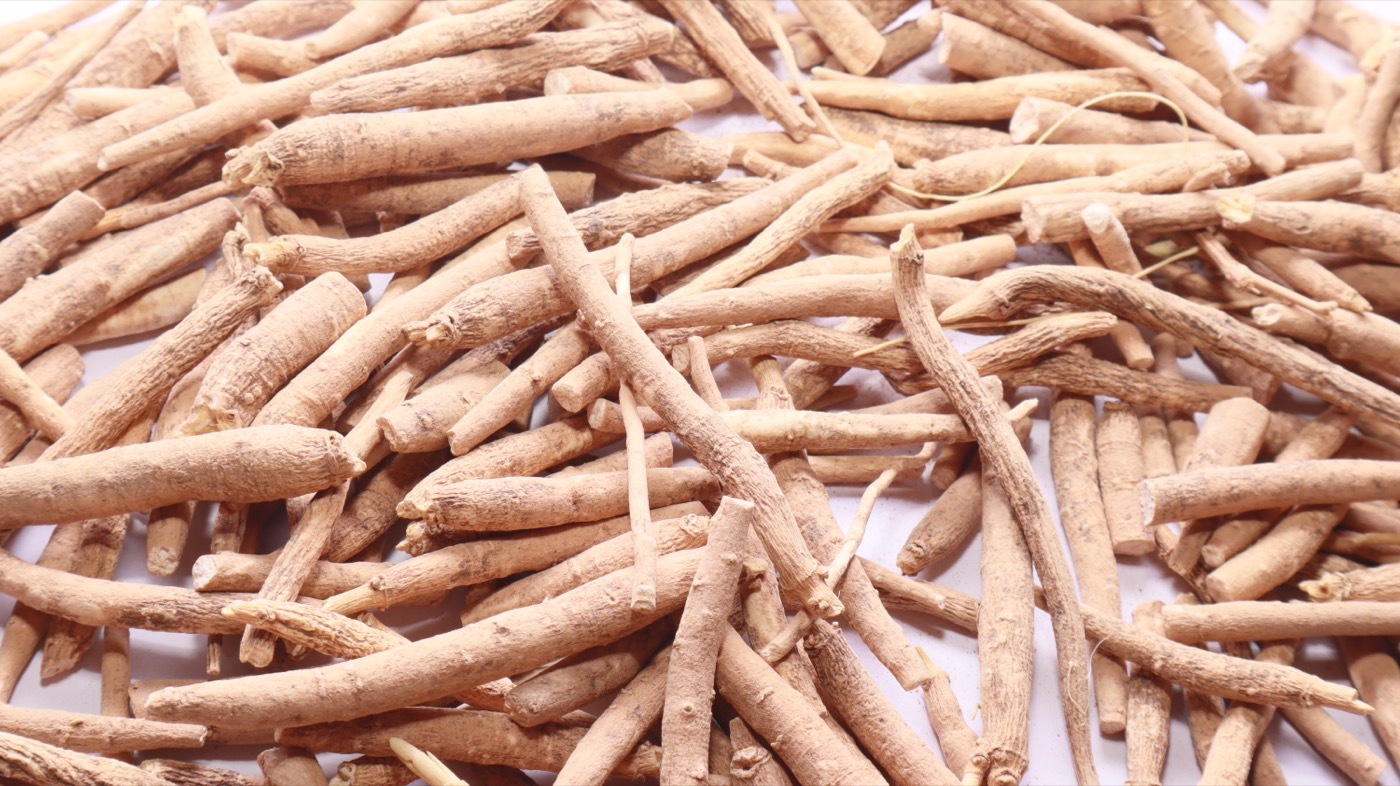
Ashwagandha Extract (Withania somnifera)
Hydro-alcoholic root extract of Withania somnifera standardised to 1.5–10% total withanolides by HPLC. Root-only material, vegan, bulk 25 kg export packing from India with batch COA.
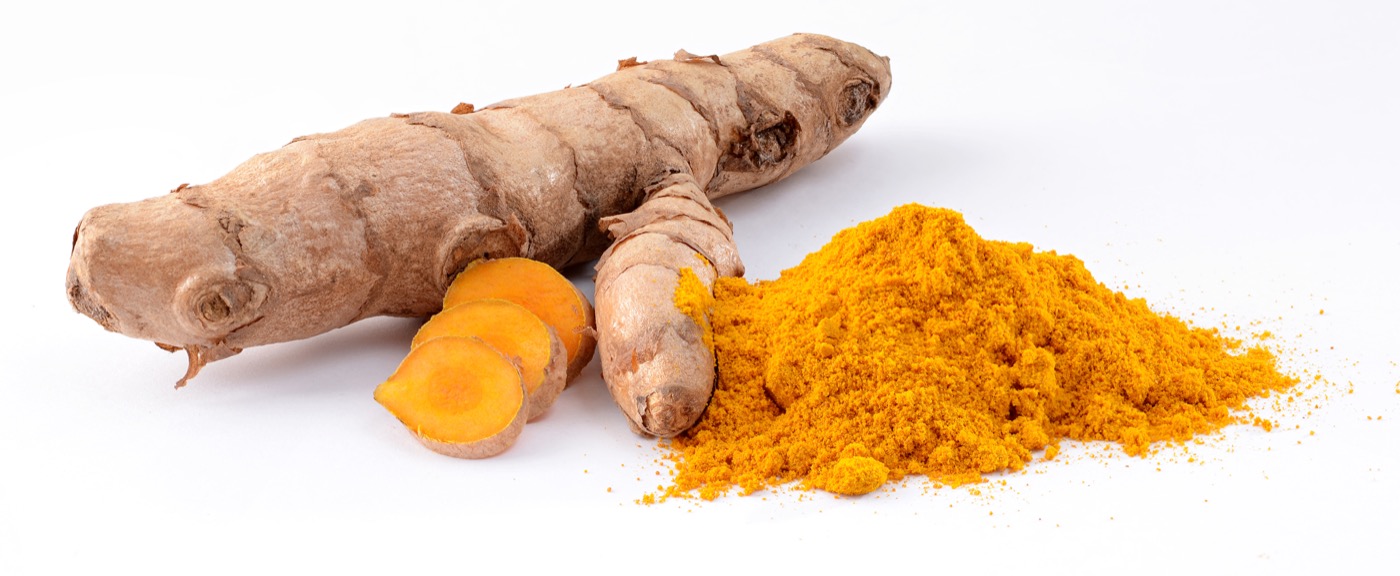
Turmeric Extract / Curcumin 95%
Purified Curcuma longa rhizome extract assaying NLT 95% total curcuminoids by HPLC, in USP curcumin / desmethoxy / bisdesmethoxy proportions. Orange-yellow crystalline powder, vegan.
Turmeric / Curcumin Extract
Standardized curcumin extract (up to 95% curcuminoids) for high-potency anti-inflammatory supplements.