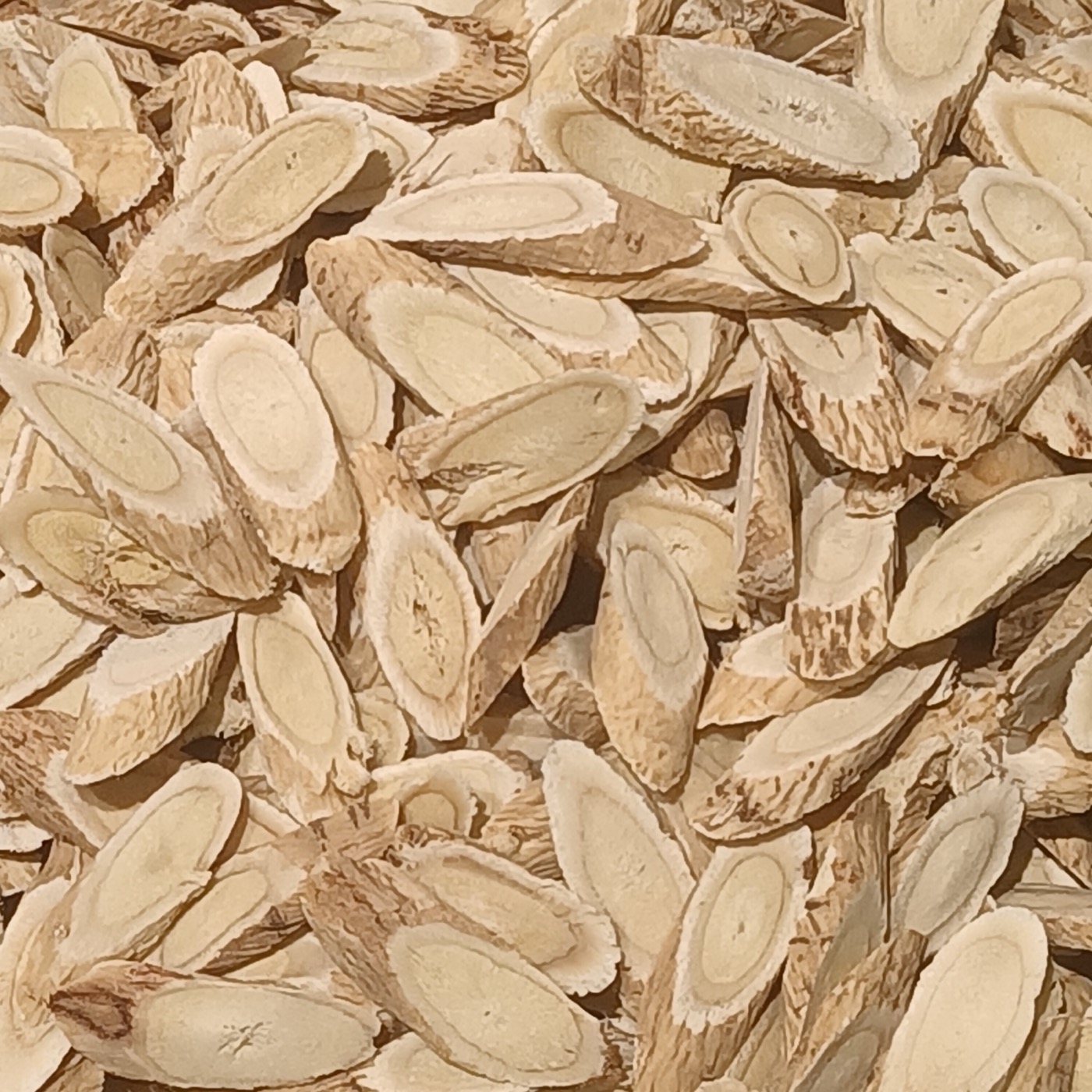
Astragalus Root Extract
Water- or hydroethanolic-extracted Astragalus mongholicus (huang qi) root, standardised to astragaloside IV by HPLC or to polysaccharides by UV. Vegan, allergen-free, free-flowing spray-dried powder.
Specifications
| Botanical source | Astragalus mongholicus Bunge (syn. Astragalus membranaceus Fisch. ex Bunge, nom. cons.), family Fabaceae |
| Plant part | Dried root — huang qi / Astragali radix; lifted after 3–4 growing seasons, washed, sliced and dried before extraction |
| Extraction | Water or ethanol–water; vacuum-concentrated and spray-dried. Solvents recovered; residual solvents controlled to ICH Q3C |
| Standardisation options | Astragaloside IV 0.3 / 0.5 / 1 / 5 / 10% by HPLC; astragalus polysaccharides 50 / 60 / 70% by UV; native ratios 4:1 to 20:1, stated per lot |
| Marker chemistry | Astragaloside IV C41H68O14, MW 784.97, CAS 84687-43-4; calycosin-7-O-β-D-glucoside C22H22O10, MW 446.40, CAS 20633-67-4 |
| Pharmacopoeial reference | Chinese Pharmacopoeia sets dried Astragali radix at ≥0.040% astragaloside IV and ≥0.020% calycosin-7-O-β-D-glucoside — a raw-herb limit, not an extract limit |
| Appearance | Light yellow to yellowish-brown fine powder; characteristic odour, slightly sweet taste |
| Solubility | Water-soluble up to about 3% astragaloside IV; higher-saponin and cycloastragenol grades require ethanol or a solubiliser |
| Particle size, LOD and ash | 100% through 80 mesh (≈180 µm), 100 mesh on request; loss on drying ≤5.0%; total ash ≤5.0% |
| Heavy metals | Lead ≤3.0, arsenic ≤1.0, cadmium ≤1.0, mercury ≤0.1 mg/kg |
| Microbiology | Total plate count ≤10,000 cfu/g; yeast and mould ≤500 cfu/g; E. coli and Salmonella absent in 25 g |
| Allergen and diet status | Vegan and vegetarian; no milk, egg, soy, fish, crustacean, gluten, peanut or tree nut. Fabaceae (legume) family — record for legume cross-contact screening |
| Shelf life and storage | 24 months from manufacture in sealed original packing; store ≤25 °C, ≤60% RH, away from direct light |
| HS code | 13021919 (India ITC-HS) — vegetable saps and extracts: other: extracts: other |
Applications
Available grades
Food and nutraceutical grade as standard; cosmetic grade on request. Assay options: astragaloside IV 0.3%, 0.5%, 1%, 5% and 10% by HPLC; astragalus polysaccharides 50%, 60% and 70% by UV; native 4:1 to 20:1 ratio powders; cycloastragenol grades quoted separately. Conventional and certified organic (NPOP, USDA NOP, EU); kosher and halal available; non-irradiated and non-ethylene-oxide lots on request.
Related products
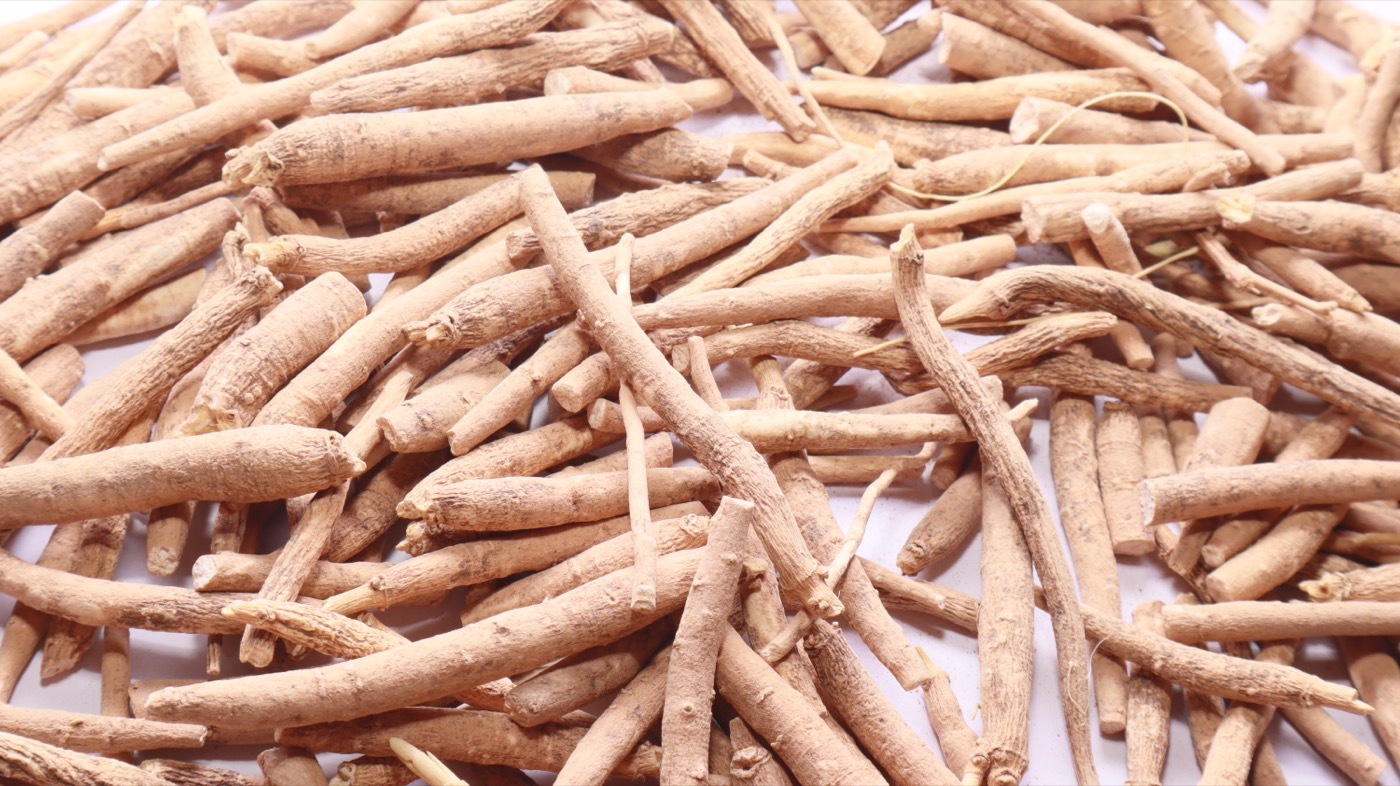
Ashwagandha Extract (Withania somnifera)
Hydro-alcoholic root extract of Withania somnifera standardised to 1.5–10% total withanolides by HPLC. Root-only material, vegan, bulk 25 kg export packing from India with batch COA.
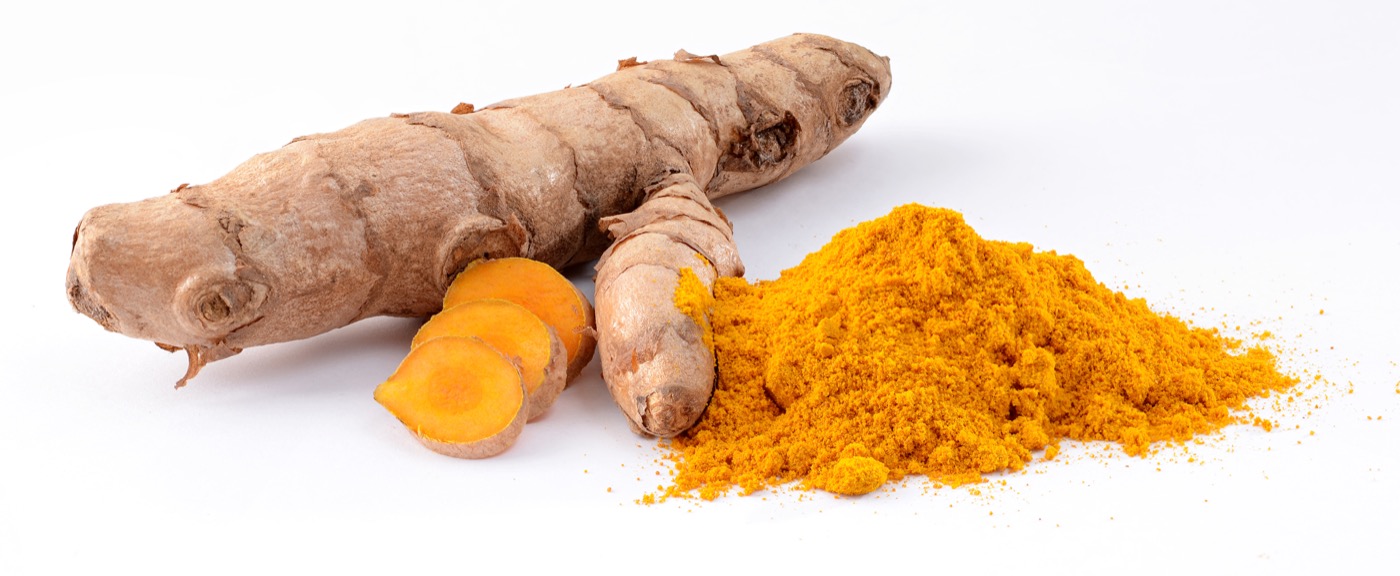
Turmeric Extract / Curcumin 95%
Purified Curcuma longa rhizome extract assaying NLT 95% total curcuminoids by HPLC, in USP curcumin / desmethoxy / bisdesmethoxy proportions. Orange-yellow crystalline powder, vegan.
Turmeric / Curcumin Extract
Standardized curcumin extract (up to 95% curcuminoids) for high-potency anti-inflammatory supplements.