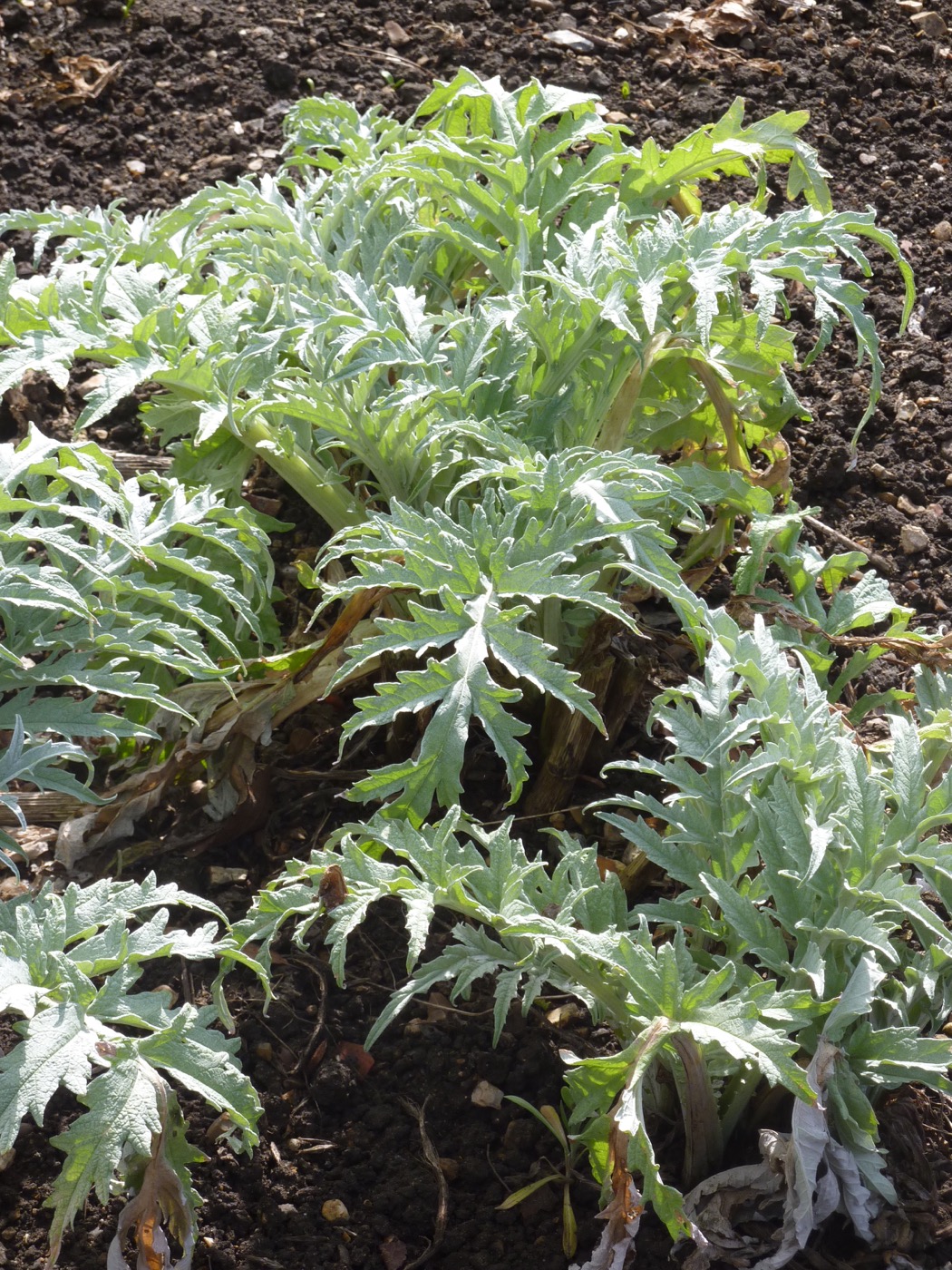
Artichoke Leaf Extract
Spray-dried globe artichoke leaf extract in bulk from India, standardised to 2.5% or 5% cynarin, with chlorogenic acid and native ratio grades. Vegan, allergen-free, full COA per lot.
Specifications
| Botanical source | Cynara cardunculus L. (syn. Cynara scolymus L.), var. scolymus / Scolymus Group - globe artichoke, family Asteraceae (Compositae). |
| Plant part | Leaf only (Cynarae folium). The edible flower head is a separate commodity with a different phenolic profile and is not used in this article. |
| Standardisation | Cynarin 2.5% or 5.0% by UV, or chlorogenic acid by HPLC; native ratio grades at 4:1 and 10:1. Assay method is named on the specification and the COA. |
| Assay method caution | A UV result labelled 'cynarin' measures total caffeoylquinic acids expressed as cynarin and reads higher than HPLC-resolved cynarin on the same powder. Match methods before comparing offers. |
| Pharmacopoeial reference | Ph. Eur. artichoke leaf requires min. 0.8% chlorogenic acid (C16H18O9) on the dried leaf; the artichoke leaf dry extract monograph requires min. 0.6% chlorogenic acid. |
| Characteristic constituents | Caffeoylquinic acids (chlorogenic acid, cynarin), flavonoids approx. 0.1-1.0% chiefly luteolin and apigenin glycosides, sesquiterpene lactones to approx. 4% dominated by cynaropicrin. |
| Bitterness | Cynaropicrin accounts for around 80% of the bitter character; reported at below 0.06 up to 22.6 mg/g in leaf extracts. Plan masking for unflavoured capsule or beverage bases. |
| Appearance and mesh | Free-flowing powder, light brown to greenish brown, characteristic odour, distinctly bitter taste. Min. 95% through 80 mesh (approx. 180 microns). |
| Extraction and carrier | Water or ethanol-water extraction, vacuum concentrated, spray dried. Carrier-free or maltodextrin-carried to hold assay; solvent and carrier declared on the COA. |
| Solubility | Water-dispersible to largely water-soluble; hydroalcoholic grades disperse readily. Light haze or fine sediment in cold water is normal. Not oil soluble. |
| Loss on drying and ash | LOD not more than 5.0%; total ash not more than 10.0%; acid-insoluble ash not more than 2.0%. |
| Heavy metals and microbiology | Lead NMT 3.0 ppm, arsenic NMT 1.0 ppm, cadmium NMT 1.0 ppm, mercury NMT 0.1 ppm by ICP-MS. TPC NMT 10,000 cfu/g, yeast and mould NMT 500 cfu/g, E. coli, Salmonella and S… |
| Allergen and dietary status | Vegan and vegetarian; plant origin, not bovine, porcine or marine. Free of milk, egg, soy, fish, crustacean, mollusc, peanut, tree nut, sesame, mustard, celery, lupin… |
| Shelf life, storage | 24 months unopened, below 25 C, RH under 60%, protected from light. |
| HS code | 13021919 (India ITC-HS) - vegetable saps and extracts, other, extracts, other |
Applications
Available grades
Cynarin 2.5% and 5.0% by UV; chlorogenic acid grades by HPLC; native ratio grades at 4:1 and 10:1; conventional and certified-organic leaf origin; carrier-free or maltodextrin-carried; food, beverage and nutraceutical grade. Low-bitterness and fine-mesh variants on request.
Related products
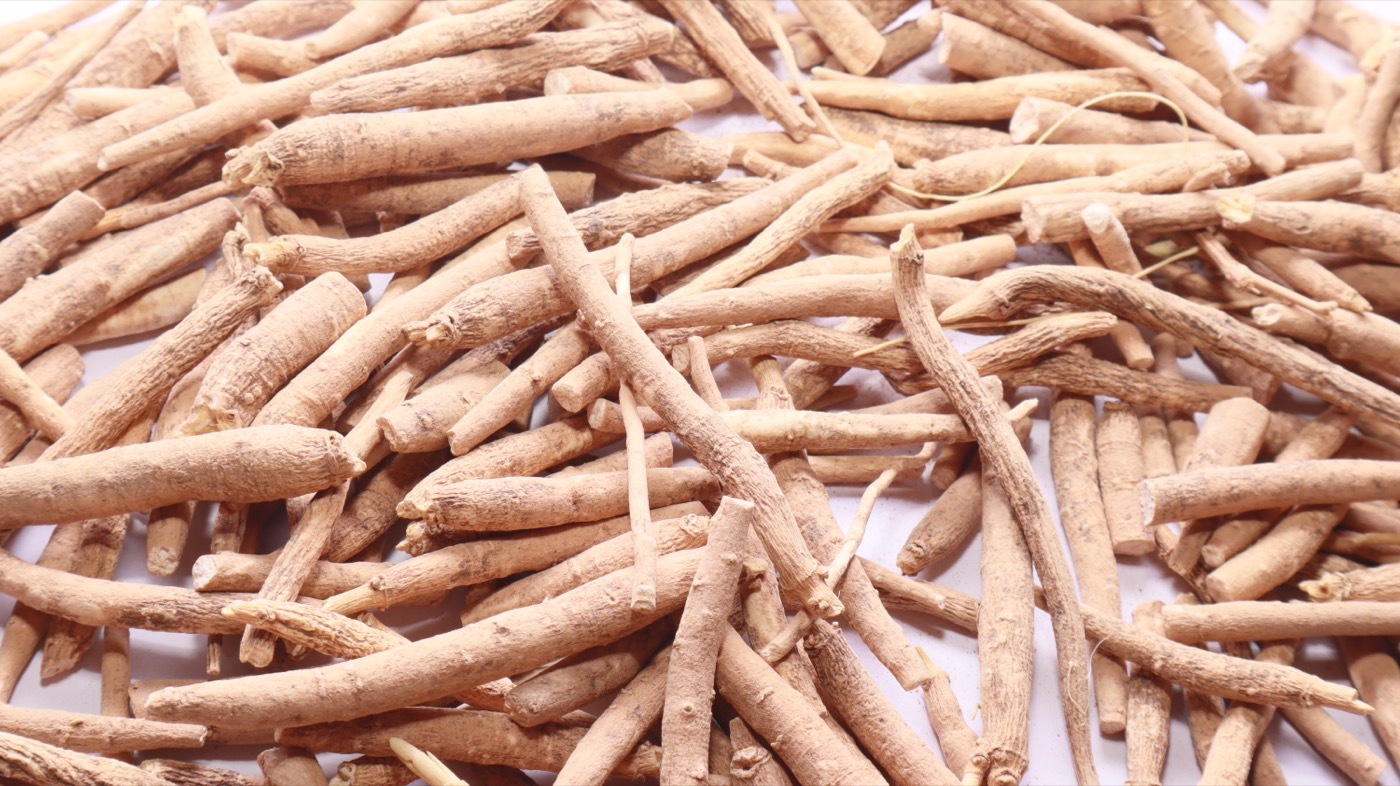
Ashwagandha Extract (Withania somnifera)
Hydro-alcoholic root extract of Withania somnifera standardised to 1.5–10% total withanolides by HPLC. Root-only material, vegan, bulk 25 kg export packing from India with batch COA.
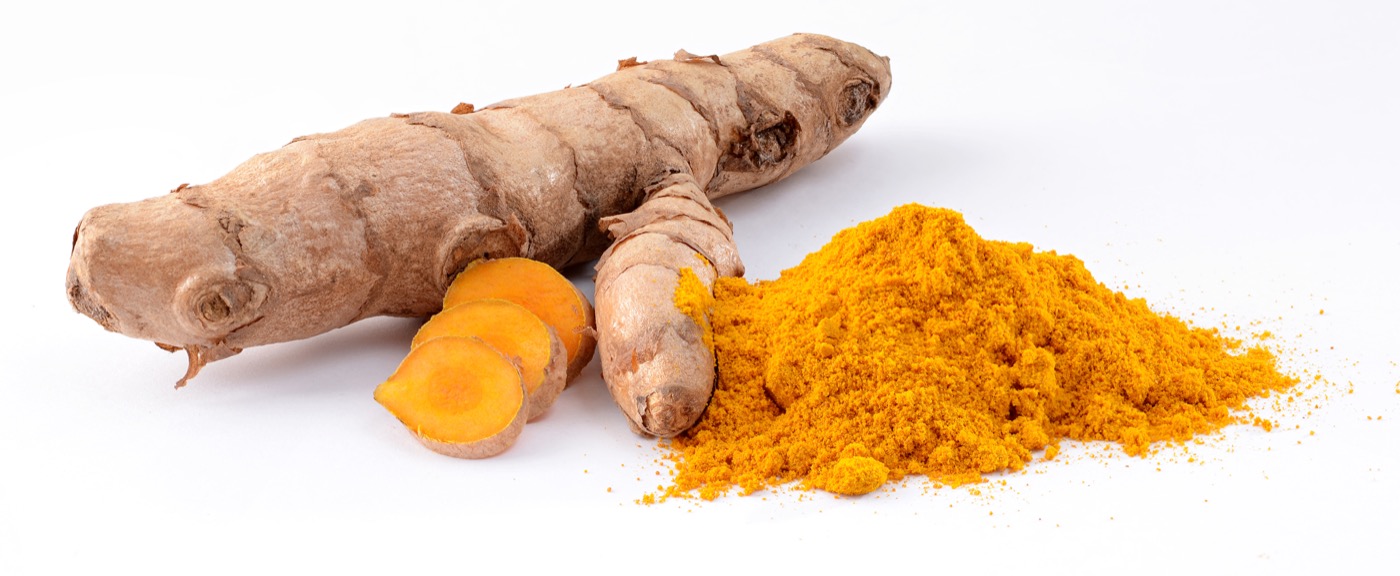
Turmeric Extract / Curcumin 95%
Purified Curcuma longa rhizome extract assaying NLT 95% total curcuminoids by HPLC, in USP curcumin / desmethoxy / bisdesmethoxy proportions. Orange-yellow crystalline powder, vegan.
Turmeric / Curcumin Extract
Standardized curcumin extract (up to 95% curcuminoids) for high-potency anti-inflammatory supplements.