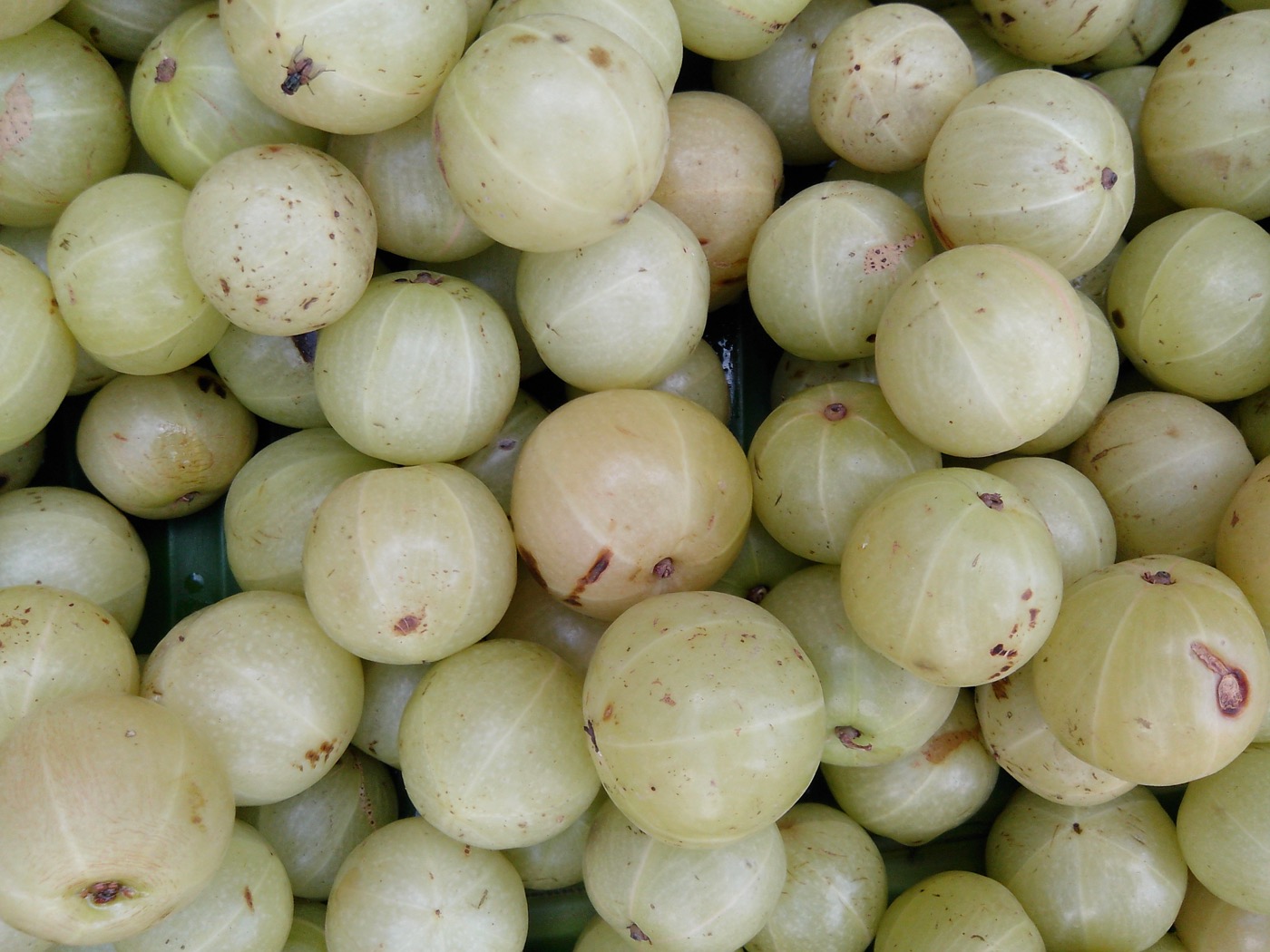
Amla extract (Emblica officinalis)
Fruit extract of Phyllanthus emblica, standardised 40-45% tannins by titration, 25-50% polyphenols by UV or 1-10% gallic acid by HPLC. Vegan, allergen-free, spray dried in India.
Specifications
| Botanical source | Phyllanthus emblica L. (syn. Emblica officinalis Gaertn.), family Phyllanthaceae; destoned dried fruit. Ayurvedic name Amalaki; English Indian gooseberry. |
| Product type | Aqueous or hydroalcoholic fruit extract, concentrated and spray dried. Distinct from amla juice powder and from plain milled dried fruit powder. |
| Standardisation | Tannins 40% or 45% by titration; polyphenols 25-50% by UV as gallic acid equivalents; gallic acid 1%, 5% or 10% by HPLC. Beta-glucogallin grades to order. |
| Marker chemistry | Gallic acid C7H6O5, MW 170.12 (PubChem). Tannoid fraction is chiefly emblicanin A and B with punigluconin and pedunculagin; ellagic acid also present. |
| Vitamin C caution | Colorimetric assays over-read ascorbic acid in amla because tannins are reducing agents. Request a specific HPLC ascorbic acid assay before any label claim. |
| Appearance and taste | Fine light brown to brown powder, characteristic fruity odour, sharply astringent and sour taste. Colour darkens as tannin assay rises. |
| Solubility and pH | Water-soluble; typical solution pH 4.0-6.0. Check compatibility with alkaline excipients and with iron and other metal-ion-sensitive actives. |
| Particle size and density | Typically 100% through 80 mesh (approx. 180 microns). Untapped bulk density typically 0.35-0.60 g/mL, lot dependent; confirm for capsule fill sizing. |
| Loss on drying | Typically NMT 5.0% w/w. Strongly hygroscopic: handle below 45% RH, reseal liners immediately after sampling and use desiccant in opened drums. |
| Extraction solvent | Potable water and/or food-grade ethanol. Residual solvents controlled to ICH/USP <467> Class 3 limits; no Class 1 or Class 2 solvents used. |
| Heavy metals and residues | Lead, arsenic, cadmium and mercury to USP <232> and EU Regulation 2023/915 where applicable; pesticide residues screened. Reported per batch. |
| Microbiology | Total plate count, yeast and mould, E. coli, Salmonella and S. aureus to USP <2021>/<2022>. Irradiation not applied by default; status declared. |
| Allergen and dietary status | Vegan and vegetarian, non-GMO. Free from milk, egg, fish, crustacean, soy, peanut, tree nut, sesame, celery and mustard. Gluten-free (maize-derived carrier). |
| Shelf life, storage | 24 months from manufacture in unopened original packaging, below 25 degrees C, protected from light and moisture. |
| HS code | 13021919 |
Applications
Available grades
Tannins 40% and 45% by titration; polyphenols 25%, 30% and 50% by UV as gallic acid equivalents; gallic acid 1%, 5% and 10% by HPLC; beta-glucogallin standardised grades. Also spray-dried amla juice powder on maltodextrin, freeze-dried fruit powder and native ratio extracts. Carrier-free and carried versions; conventional, organic (NPOP/NOP/EU), Kosher and Halal.
Related products
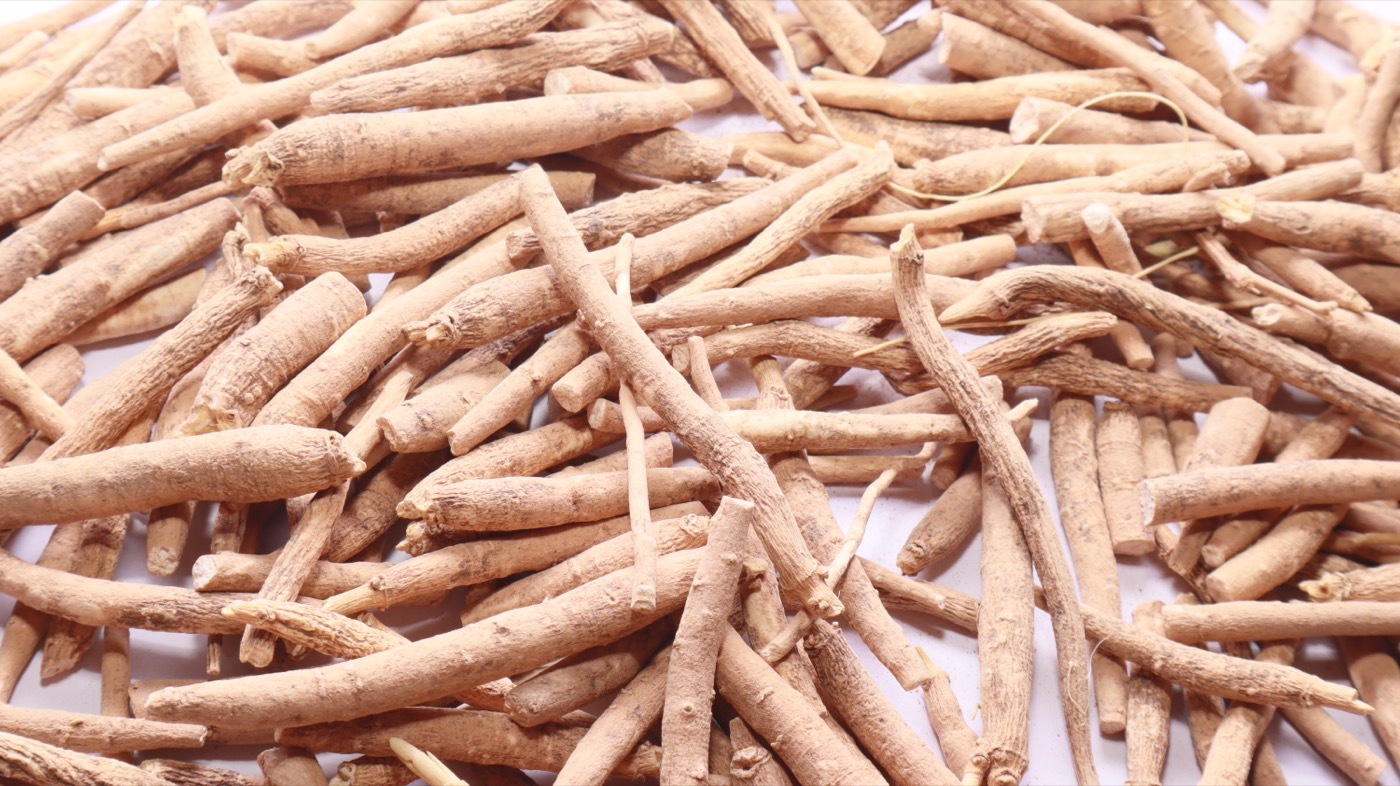
Ashwagandha Extract (Withania somnifera)
Hydro-alcoholic root extract of Withania somnifera standardised to 1.5–10% total withanolides by HPLC. Root-only material, vegan, bulk 25 kg export packing from India with batch COA.
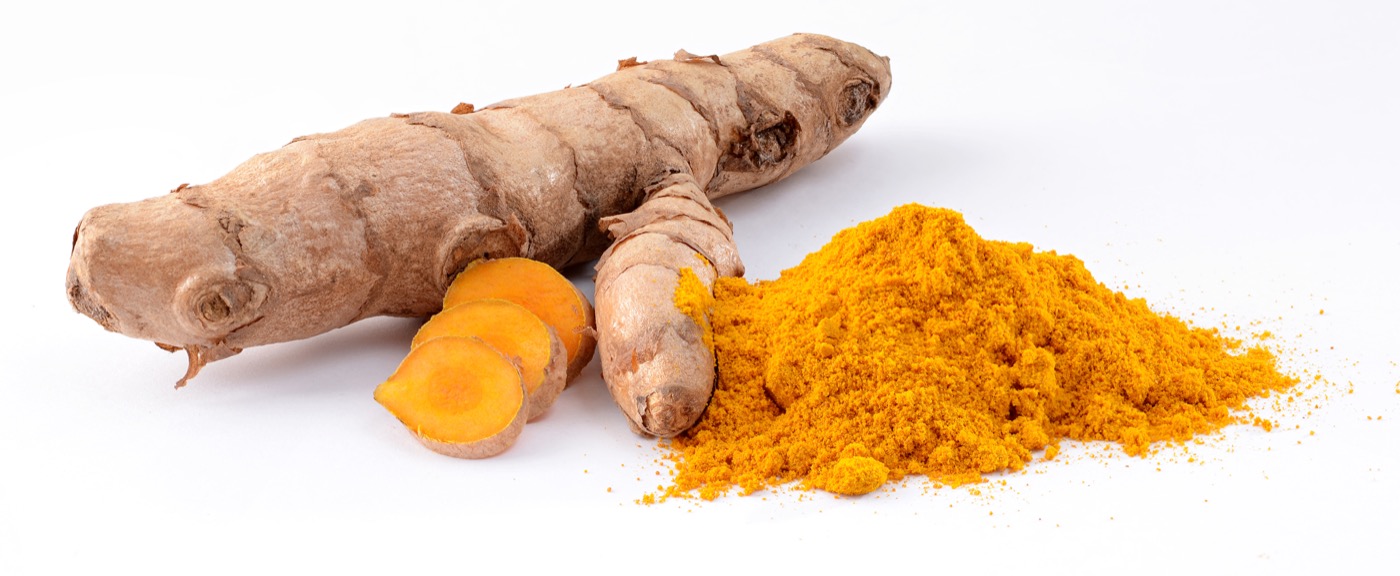
Turmeric Extract / Curcumin 95%
Purified Curcuma longa rhizome extract assaying NLT 95% total curcuminoids by HPLC, in USP curcumin / desmethoxy / bisdesmethoxy proportions. Orange-yellow crystalline powder, vegan.
Turmeric / Curcumin Extract
Standardized curcumin extract (up to 95% curcuminoids) for high-potency anti-inflammatory supplements.