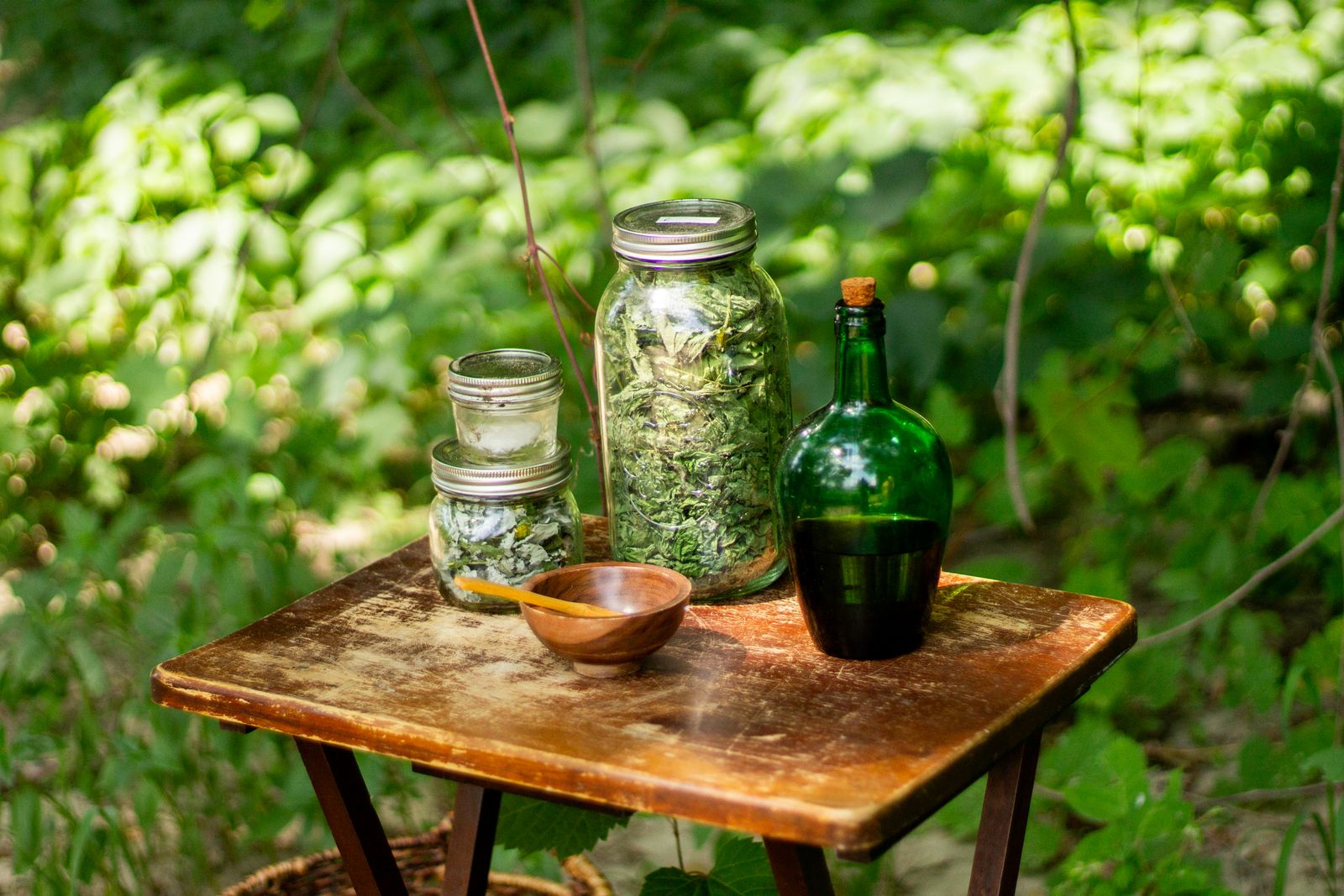
Ajwain Extract (Carom Seed)
Thymol-bearing extract of Trachyspermum ammi fruit at 2-10% thymol by GC, or 4:1/10:1 native. Identity-tested against radhuni and lovage substitution. Vegan, gluten-free.
Specifications
| Botanical identity | Trachyspermum ammi (L.) Sprague ex Turrill, family Apiaceae. Synonyms Ammi copticum L., Carum copticum (L.) Link, Sison ammi L. Trade names ajwain, carom, ajowan. |
| Plant part | Dried mature fruit (schizocarp), traded as ajwain or carom 'seed'. Herb, stem and root material are not used and are rejected on fingerprint. |
| Standardisation and assay | Native ratio 4:1 and 10:1, or thymol 2.0%, 5.0% and 10.0% by GC-FID or HPLC against a thymol reference standard. Assay method stated on each CoA. |
| Marker compound | Thymol, CAS 89-83-8, C10H14O, MW 150.22; white crystalline phenol, mp 49-51 C. Distilled fruit oil is thymol-dominant with gamma-terpinene and p-cymene. |
| Identity and anti-substitution | HPTLC or GC fingerprint against authenticated T. ammi. Screens out lovage seed and radhuni / ajmod (Psammogeton involucratus, older name Trachyspermum roxburghianum). |
| Allergen status | Ajwain is not EU- or US-declarable. But radhuni, a common substitute, is itself swapped for celery seed, which IS EU-declarable - so identity testing is an allergen control. |
| Extraction, solvent and carrier | Water or ethanol-water extraction. Ethanol NMT 5000 ppm (ICH Q3C Class 3); methanol not used. Carrier maize maltodextrin, or carrier-free native grade on request. |
| Appearance, solubility and physical limits | Pale brown to brown fine powder with a strong thyme-like thymol odour; water-dispersible; 100% through 80 mesh; loss on drying NMT 5.0%; total ash NMT 5.0%. |
| Heavy metals | By ICP-MS: lead NMT 3.0 ppm, arsenic NMT 2.0 ppm, cadmium NMT 1.0 ppm, mercury NMT 0.1 ppm. |
| Microbiology | Total plate count NMT 10,000 cfu/g; yeast and mould NMT 1,000 cfu/g; E. coli and S. aureus absent in 10 g; Salmonella absent in 25 g. |
| Pesticides and mycotoxins | Screened to EU Reg. 396/2005 MRLs. House limits: aflatoxin B1 NMT 2 ppb, total aflatoxins NMT 4 ppb, ochratoxin A NMT 10 ppb. |
| Dietary and origin status | Vegan and vegetarian; no dairy, egg, fish, crustacean, soy or nut input. Gluten-free on a maize-derived carrier. Non-GMO. Indian origin. Halal and Kosher on request. |
| Shelf life and storage | 24 months from manufacture in unopened original packaging, below 25 C and under 60% RH, protected from light. Thymol is volatile; keep containers sealed. |
| HS code | India ITC-HS 13021919, vegetable extracts - other. Final classification rests with the importing customs authority. |
Applications
Available grades
Native 4:1 and 10:1; thymol 2.0%, 5.0% and 10.0%; carrier-free native powder; organic to NOP and EU 2018/848 on order. Ajwain essential oil (heading 3301) and cold-pressed fixed seed oil (Chapter 15) are different articles and are quoted separately.
Related products
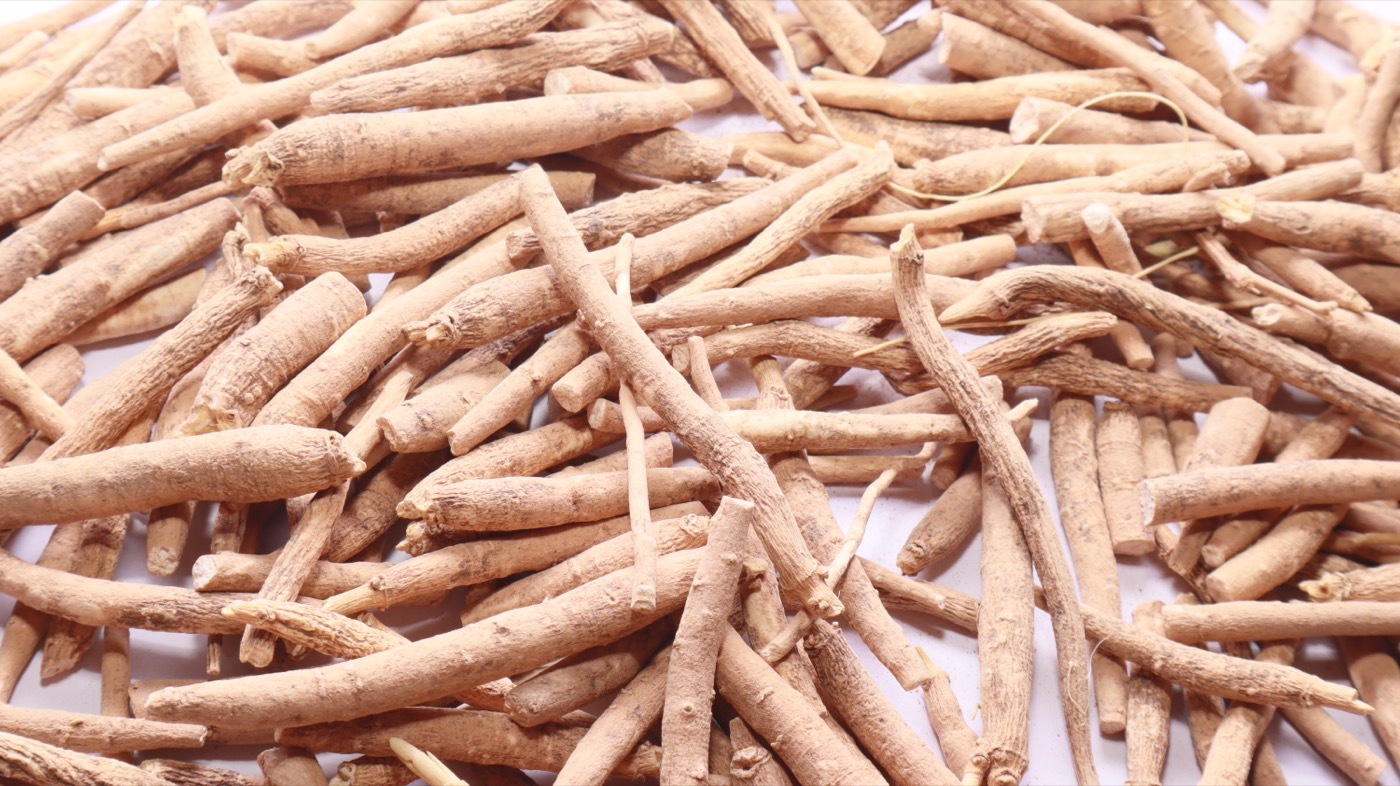
Ashwagandha Extract (Withania somnifera)
Hydro-alcoholic root extract of Withania somnifera standardised to 1.5–10% total withanolides by HPLC. Root-only material, vegan, bulk 25 kg export packing from India with batch COA.
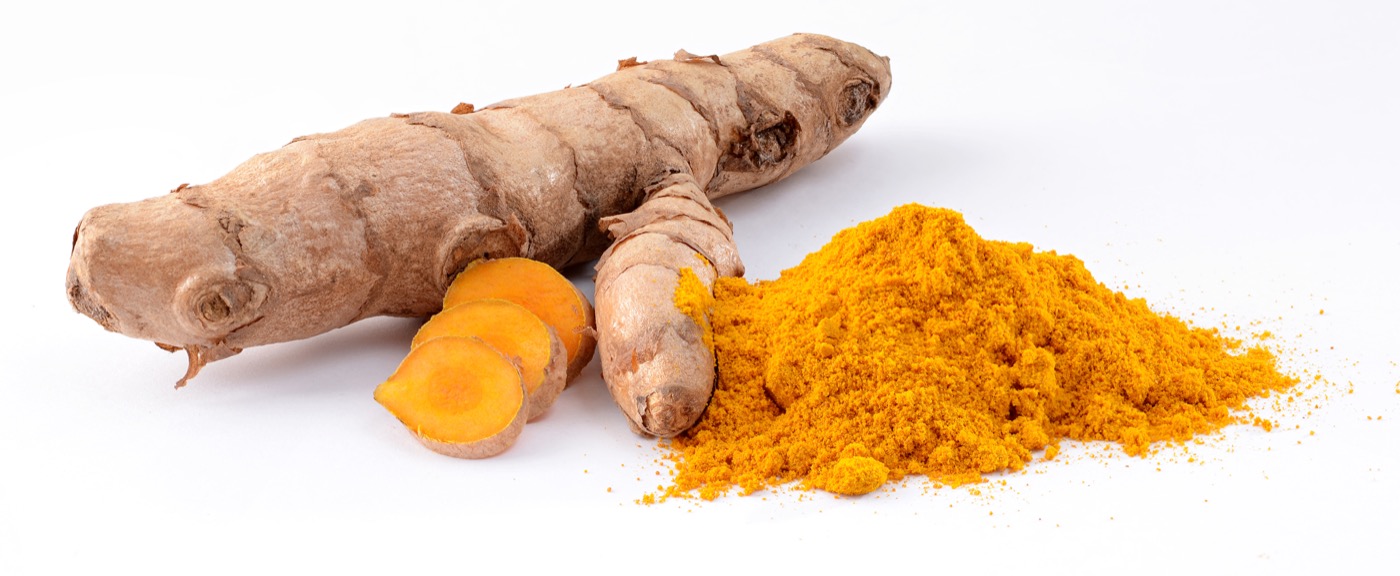
Turmeric Extract / Curcumin 95%
Purified Curcuma longa rhizome extract assaying NLT 95% total curcuminoids by HPLC, in USP curcumin / desmethoxy / bisdesmethoxy proportions. Orange-yellow crystalline powder, vegan.
Turmeric / Curcumin Extract
Standardized curcumin extract (up to 95% curcuminoids) for high-potency anti-inflammatory supplements.