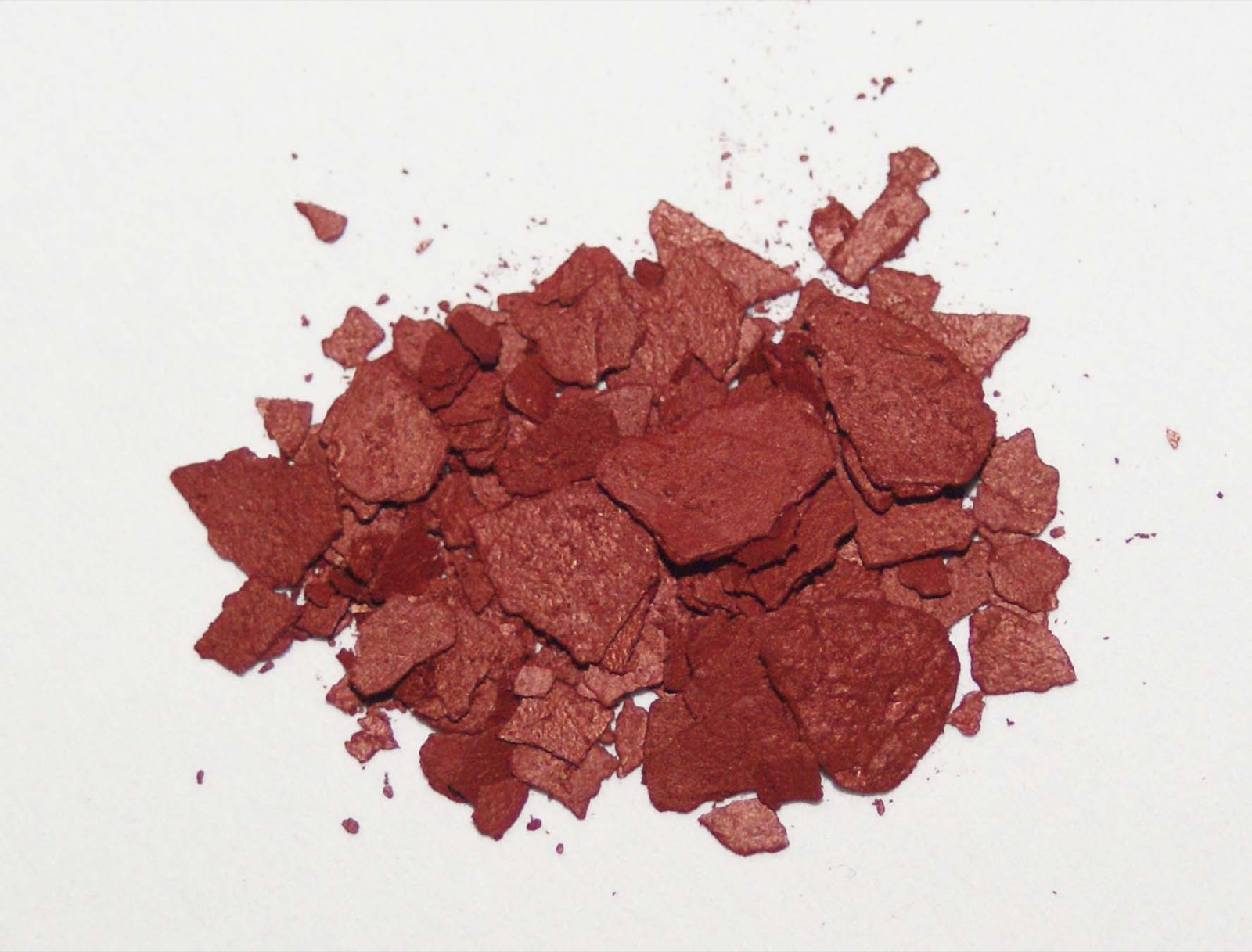
Zeaxanthin
Zeaxanthin, CAS 144-68-3, the two-β-ring diol isomer of lutein. Marigold-derived crystalline powder and beadlet grades. Distinct in law and CAS from meso-zeaxanthin, CAS 31272-50-1.
Specifications
| Chemical name | (3R,3'R)-β,β-Carotene-3,3'-diol; all-trans-zeaxanthin |
| CAS No. / formula / weight | 144-68-3; C40H56O2; 568.88 g/mol |
| Related isomer | meso-Zeaxanthin, the (3R,3'S) isomer, is a distinct substance with its own CAS number 31272-50-1. Specify the isomer required on the order. |
| Melting point | Approximately 215.5 °C |
| Source routes | (3R,3'R)-zeaxanthin from Tagetes erecta petals; meso-zeaxanthin by alkaline isomerisation of marigold lutein; a synthetic Wittig route also exists. |
| Synthetic isomer profile (reference) | Wittig-route material runs 96-98% trans-(3R,3'R); cis-zeaxanthins max 2.0%, 12'-apo-zeaxanthinal max 0.1%, diatoxanthin max 0.2%. |
| Relationship to lutein | Same formula C40H56O2. Zeaxanthin has two β-rings, lutein has one β- and one ε-ring; the pair resolve only by HPLC, never by mass. |
| Assay and grades | Standardised at 5%, 10% and 20% zeaxanthin by HPLC; higher-assay crystalline material available to order. Beadlet grades on request. |
| INS / E number and ADI | INS 161h(i); E161h. Covered by the JECFA 2018 group ADI 'not specified' shared with lutein and lutein esters; the 2004 group ADI was 0-2 mg/kg bw. |
| Appearance | Orange-red to red crystalline powder. Beadlet grades are orange to orange-red free-flowing spheres. |
| Solubility | Practically insoluble in water; oil-soluble and soluble in common organic solvents. Cold-water-dispersible beadlets disperse to a uniform orange. |
| Purity and contaminants | Identity by HPLC retention and UV-Vis. Residual solvents, heavy metals, pesticides and microbiology to agreed limits; COA issued per batch. |
| Allergens and origin | Marigold-derived: vegan, vegetarian, gluten-free, free from milk, egg, soy, fish, crustacean and nuts. Gelatin beadlet matrices are bovine or fish; specify. |
| Shelf life, storage | 24 months at 2-8 °C in nitrogen-flushed, light-proof packs, away from oxygen and heat. |
| HS code | 3203.00.20 for marigold-derived material |
Applications
Available grades
Food and nutraceutical grade (3R,3'R)-zeaxanthin from Tagetes erecta as crystalline powder and standardised powders at 5%, 10% and 20%; cold-water-dispersible beadlets; oil suspensions in safflower, sunflower or MCT; meso-zeaxanthin supplied separately against a stated isomer specification. Feed grade marigold extract for yolk pigmentation. Kosher, Halal, non-GMO and vegan declarations available.
Related products
Coenzyme Q10 (Ubiquinone)
Fermentation-derived Coenzyme Q10, all-trans ubidecarenone at 98% minimum, supplied as crystalline powder, micronised grade, water-dispersible beadlet or MCT dispersion for softgel filling.
Ubiquinol (Reduced CoQ10)
Reduced (ubiquinol) form of Coenzyme Q10, CAS 992-78-9, supplied nitrogen-packed as neat powder or as a tocopherol-stabilised oil dispersion for softgel filling. Oxygen-sensitive, cold-chain handled.
Alpha Lipoic Acid
Racemic alpha lipoic acid (thioctic acid), CAS 1077-28-7, at 99% minimum - crystalline, micronised or granular, with R-(+)-lipoic acid and water-soluble sodium R-lipoate quoted separately.