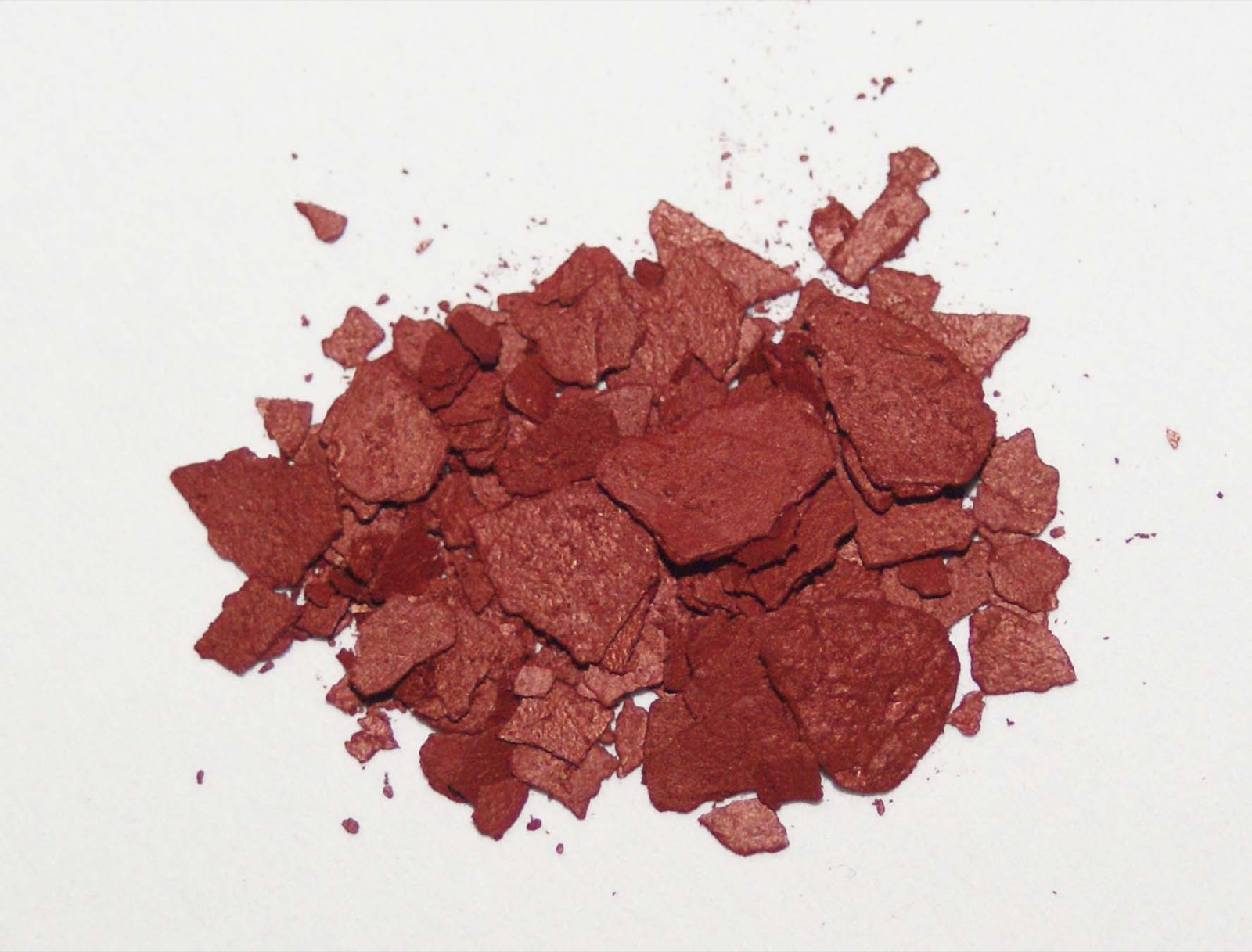
Ubiquinol (Reduced CoQ10)
Reduced (ubiquinol) form of Coenzyme Q10, CAS 992-78-9, supplied nitrogen-packed as neat powder or as a tocopherol-stabilised oil dispersion for softgel filling. Oxygen-sensitive, cold-chain handled.
Specifications
| Chemical name | Ubiquinol-10; 2,3-dimethoxy-5-methyl-6-decaprenyl-1,4-benzenediol; the reduced hydroquinone form of Coenzyme Q10 |
| CAS number | 992-78-9 |
| Molecular formula / weight | C59H92O4; 865.36 g/mol |
| Relationship to CoQ10 | Two-electron reduction product of ubidecarenone (CAS 303-98-0, C59H90O4). Distinct article with its own CAS and its own specification |
| Assay (HPLC) | Not less than 98.0% ubiquinol on the neat substance, with residual ubiquinone reported separately. A USP Ubiquinol reference standard is available for method qualification |
| Appearance | White to off-white waxy crystalline powder; yellowing indicates oxidation back to ubiquinone |
| Melting point | Approximately 48-49.5 °C |
| Solubility | Practically insoluble in water; lipid soluble, dissolved in medium-chain triglycerides or comparable oils for softgel filling |
| Oxygen sensitivity | Reverts rapidly to ubiquinone in air. Handled, milled and filled under nitrogen; stabilised dispersions carry tocopherols or ascorbyl palmitate as oxygen scavengers |
| Origin and dietary status | Yeast fermentation, no animal-derived input in the active. Vegan and vegetarian suitable as bulk; kosher and halal documentation on request |
| Allergen status | Active free of milk, egg, fish, crustacean, tree nut, peanut and gluten. Oil dispersions may carry soy lecithin or soy-derived tocopherol, which must be declared |
| Softgel shell caution | Bovine or fish gelatin shells make the finished softgel non-vegan and fish gelatin triggers a fish allergen declaration; starch-carrageenan shells keep it vegan |
| Storage | Hold at 2-8 °C in the sealed nitrogen-flushed pack, away from light and oxygen. Ambient storage reverts ubiquinol to ubiquinone; shelf life stated per grade on the COA |
| HS code (India ITC-HS) | 2909.50 (29095090) |
Applications
Available grades
Neat ubiquinol powder 98% minimum, nitrogen-packed, for buyers with inert-atmosphere dispensing; stabilised dispersion in medium-chain triglycerides at 20-30% ubiquinol with tocopherol antioxidant for direct softgel filling; soy-free dispersion using sunflower lecithin and non-soy tocopherol on request. Kosher, halal, non-GMO and BSE/TSE-free documentation available.
Related products
Coenzyme Q10 (Ubiquinone)
Fermentation-derived Coenzyme Q10, all-trans ubidecarenone at 98% minimum, supplied as crystalline powder, micronised grade, water-dispersible beadlet or MCT dispersion for softgel filling.
Alpha Lipoic Acid
Racemic alpha lipoic acid (thioctic acid), CAS 1077-28-7, at 99% minimum - crystalline, micronised or granular, with R-(+)-lipoic acid and water-soluble sodium R-lipoate quoted separately.
Astaxanthin
Bulk astaxanthin from Haematococcus pluvialis, CAS 472-61-7. Supplied as 5% and 10% oleoresin, cold-water-dispersible beadlet and softgel fill. Algal and vegan, not krill or shrimp derived.