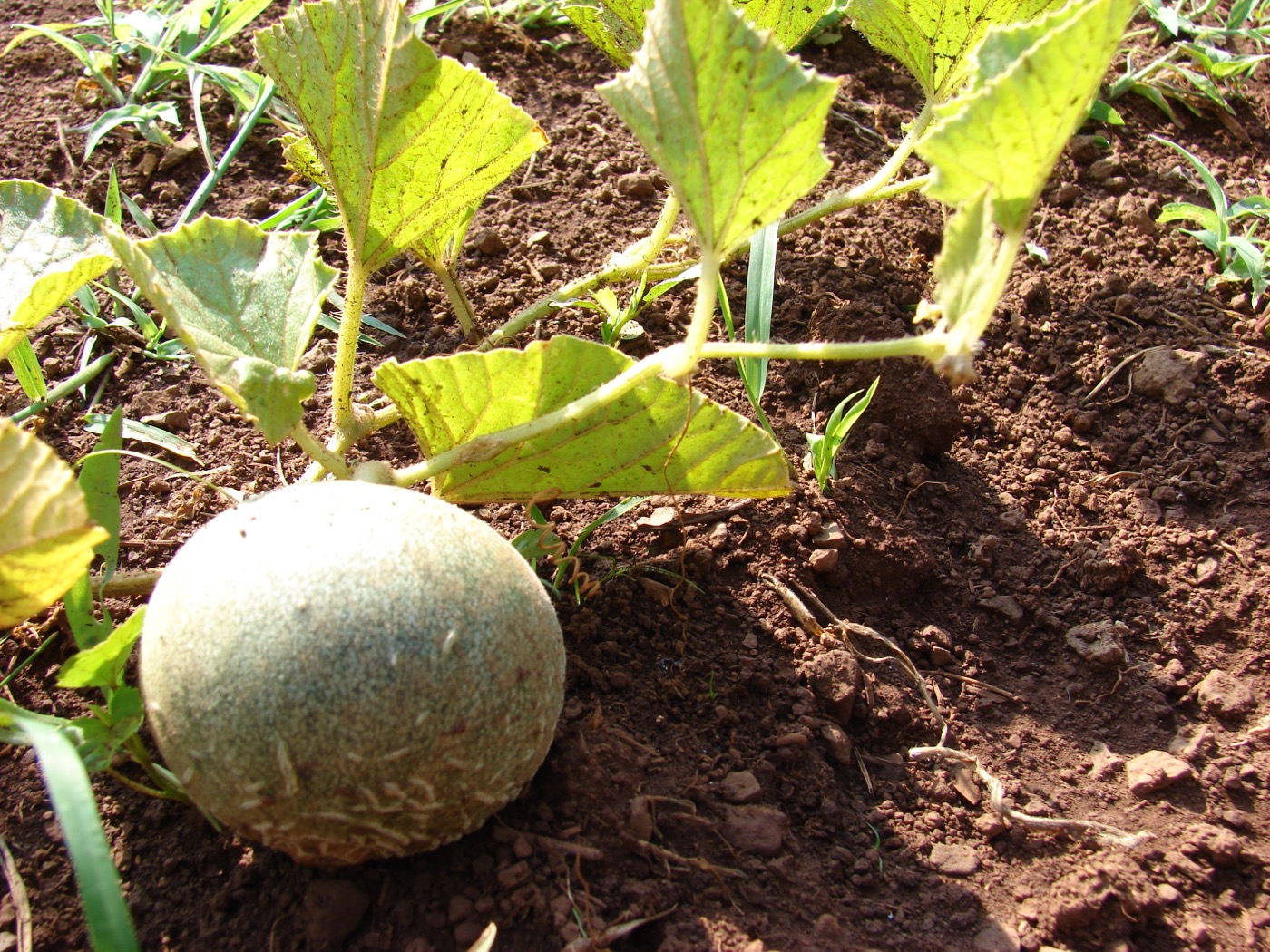
Superoxide Dismutase (SOD) Powder
Superoxide dismutase (EC 1.15.1.1, CAS 9054-89-1) as non-GMO melon juice concentrate powder standardised to 14,000 IU SOD per gram. Vegan and gluten-free; microbial fermentation grades available.
Specifications
| Enzyme identity | Superoxide dismutase, EC 1.15.1.1, CAS 9054-89-1. Occurs as copper/zinc, manganese and iron forms; the melon grade is predominantly cytosolic Cu/Zn-SOD |
| Primary source | Non-GMO melon (Cucumis melo L.) pulp, separated from skin and seeds, crushed, centrifuged, filtered, concentrated and dried to a juice concentrate powder |
| Activity | 14,000 IU SOD per gram minimum, equal to 14 IU per mg, for the melon concentrate. Microbial fermentation grades run 5,000 to 50,000 U/g |
| Assay method | Inhibition assay: one unit halves the rate of a superoxide-driven indicator reaction. Cytochrome c (McCord-Fridovich), NBT or pyrogallol; the assay is named on the COA |
| Delivery formats and carrier | Uncoated, palm-oil-coated for gastric protection, or a wheat-gliadin matrix on request. Carriers are maltodextrin (maize or tapioca) and refined palm oil, named on each COA |
| Appearance and solubility | Pale yellow to light brown free-flowing powder; carrier-supported lots are off-white. Water-dispersible; coated grades disperse but do not fully dissolve |
| Heat and pH limits | Activity is lost above roughly 60 degrees C and below about pH 3. Not suitable for retort, extrusion or hot-fill; coated formats protect gastric passage |
| Loss on drying | 7.0 % maximum for uncoated concentrate; coated grades are specified individually because the lipid coat changes the figure |
| Heavy metals | Lead 1.0, arsenic 1.0, cadmium 1.0 and mercury 0.1 mg/kg maximum, determined by ICP-MS on each lot |
| Microbiology | Total plate count 10,000 cfu/g max; yeast and mould 500 cfu/g max; E. coli and Salmonella absent in the stated sample |
| Allergens and diet | Melon and microbial grades are vegan, gluten-free and free from milk, egg, soy, fish, crustacean and nut inputs. The wheat-gliadin format contains gluten from wheat |
| Animal origin | No bovine, porcine or marine material. Bovine erythrocyte SOD, the historical commercial source, is not supplied and is not used as a raw material |
| Shelf life and storage | 24 months from manufacture, sealed, dry and dark below 25 degrees C. Storage at 2 to 8 degrees C is recommended to hold declared activity to end of shelf life |
| HS code | 35079099, enzymes and prepared enzymes, other. The sheet value 29362900 is a vitamins line and does not apply. See the classification note |
Applications
Available grades
Melon (Cucumis melo L.) juice concentrate at minimum 14,000 IU SOD/g in uncoated, palm-oil-coated and wheat-gliadin matrix formats. Microbial fermentation grades from 5,000 to 50,000 U/g. Cosmetic grade for topical use. Bovine erythrocyte superoxide dismutase is not supplied. Kosher and halal certification on request.
Related products
Coenzyme Q10 (Ubiquinone)
Fermentation-derived Coenzyme Q10, all-trans ubidecarenone at 98% minimum, supplied as crystalline powder, micronised grade, water-dispersible beadlet or MCT dispersion for softgel filling.
Ubiquinol (Reduced CoQ10)
Reduced (ubiquinol) form of Coenzyme Q10, CAS 992-78-9, supplied nitrogen-packed as neat powder or as a tocopherol-stabilised oil dispersion for softgel filling. Oxygen-sensitive, cold-chain handled.
Alpha Lipoic Acid
Racemic alpha lipoic acid (thioctic acid), CAS 1077-28-7, at 99% minimum - crystalline, micronised or granular, with R-(+)-lipoic acid and water-soluble sodium R-lipoate quoted separately.