Spermidine
Wheat germ extract standardised to NLT 1.0% spermidine by HPLC — the polyamine C7H19N3, CAS 124-20-9. Vegan plant powder that CONTAINS GLUTEN. Wheat-free 98% trihydrochloride grade also offered.
Specifications
| Chemical identity | Spermidine, IUPAC N'-(3-aminopropyl)butane-1,4-diamine; an aliphatic triamine polyamine. C7H19N3, MW 145.25. CAS 124-20-9, PubChem CID 1102. Free base melts below 25 °C. |
| Standard article | Triticum aestivum L. germ extract standardised to spermidine NLT 1.0% by HPLC; 0.2%, 0.5% and 2.0% grades to order. Wheat germ itself runs about 243 mg/kg, near 0.024%. |
| Source material and processing | Defatted wheat germ recovered from milling; water and food-grade ethanol extraction, then spray drying. Maize maltodextrin carrier, where used, declared on each lot certificate. |
| Salt grade specification | Spermidine trihydrochloride, CAS 334-50-9, C7H22Cl3N3, MW 254.6, assay NLT 98%. Equivalent to 57.1% spermidine free base by mass — use this factor for dose conversion. |
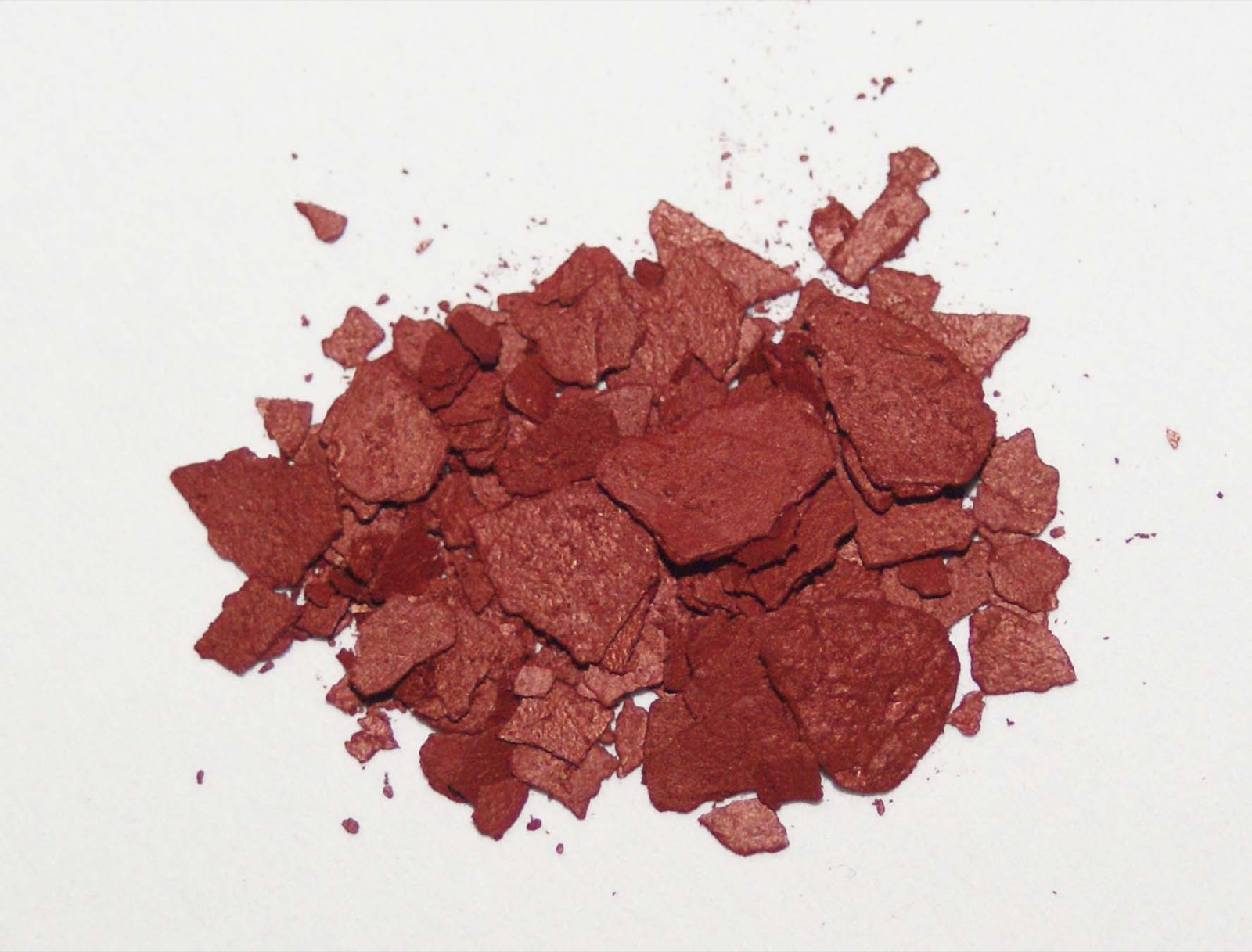
| Appearance and solubility | Extract: light brown to tan free-flowing powder, cereal odour, water dispersible. Trihydrochloride: white to off-white crystalline powder, freely soluble in water. |
| Stability and handling | Polyamines oxidise and darken under heat, alkali and moisture. Store cool and dry, hold pH below 7 in wet processing, and keep containers closed against humidity pickup. |
| Physical limits | NLT 95% through 80 mesh (approx. 180 micron). Loss on drying NMT 5.0% for the extract and NMT 1.0% for the salt; total ash NMT 5.0% on the extract. |
| Heavy metals and pesticides | Lead NMT 3.0 ppm, arsenic NMT 1.0 ppm, cadmium NMT 1.0 ppm, mercury NMT 0.1 ppm; pesticide residues to EU Reg. 396/2005 MRLs on request. |
| Microbiology and mycotoxins | Total plate count NMT 10,000 cfu/g; yeast and mould NMT 500 cfu/g; E. coli, Salmonella and S. aureus absent. Deoxynivalenol and ochratoxin A tested on the cereal extract. |
| Allergen status, extract grade | Wheat-derived: CONTAINS GLUTEN — declarable under EU Annex II and a US major allergen. Never label gluten-free. Vegan, vegetarian, non-GMO; no milk, egg, soy, fish or nut input. |
| Allergen status, salt grade | Spermidine trihydrochloride is wheat-free and gluten-free, vegan and free of all major allergens. Specify this grade where a gluten declaration is unacceptable. |
| Regulatory status | Isolated or highly concentrated polyamine preparations may require novel food authorisation under Regulation (EU) 2015/2283 and the UK equivalent. Confirm per article and market. |
| Shelf life and storage | 24 months unopened below 25 °C, dry and protected from light. The hygroscopic salt is packed under nitrogen with desiccant; use within 12 months once the liner is opened. |
| HS code | 13021919 (India ITC-HS) for the wheat germ standardised extract. The isolated compound or its salt goes to 29212990. Not the sheet's 29362900; see the classification note. |
Applications
Available grades
Wheat germ extract at 0.2%, 0.5%, 1.0% and 2.0% spermidine by HPLC, with 1.0% as standard (contains gluten); spermidine trihydrochloride NLT 98%, wheat-free and gluten-free; granulated and direct-compression grades; reference-standard lots with full analytical dossier.
Related products
Coenzyme Q10 (Ubiquinone)
Fermentation-derived Coenzyme Q10, all-trans ubidecarenone at 98% minimum, supplied as crystalline powder, micronised grade, water-dispersible beadlet or MCT dispersion for softgel filling.
Ubiquinol (Reduced CoQ10)
Reduced (ubiquinol) form of Coenzyme Q10, CAS 992-78-9, supplied nitrogen-packed as neat powder or as a tocopherol-stabilised oil dispersion for softgel filling. Oxygen-sensitive, cold-chain handled.
Alpha Lipoic Acid
Racemic alpha lipoic acid (thioctic acid), CAS 1077-28-7, at 99% minimum - crystalline, micronised or granular, with R-(+)-lipoic acid and water-soluble sodium R-lipoate quoted separately.