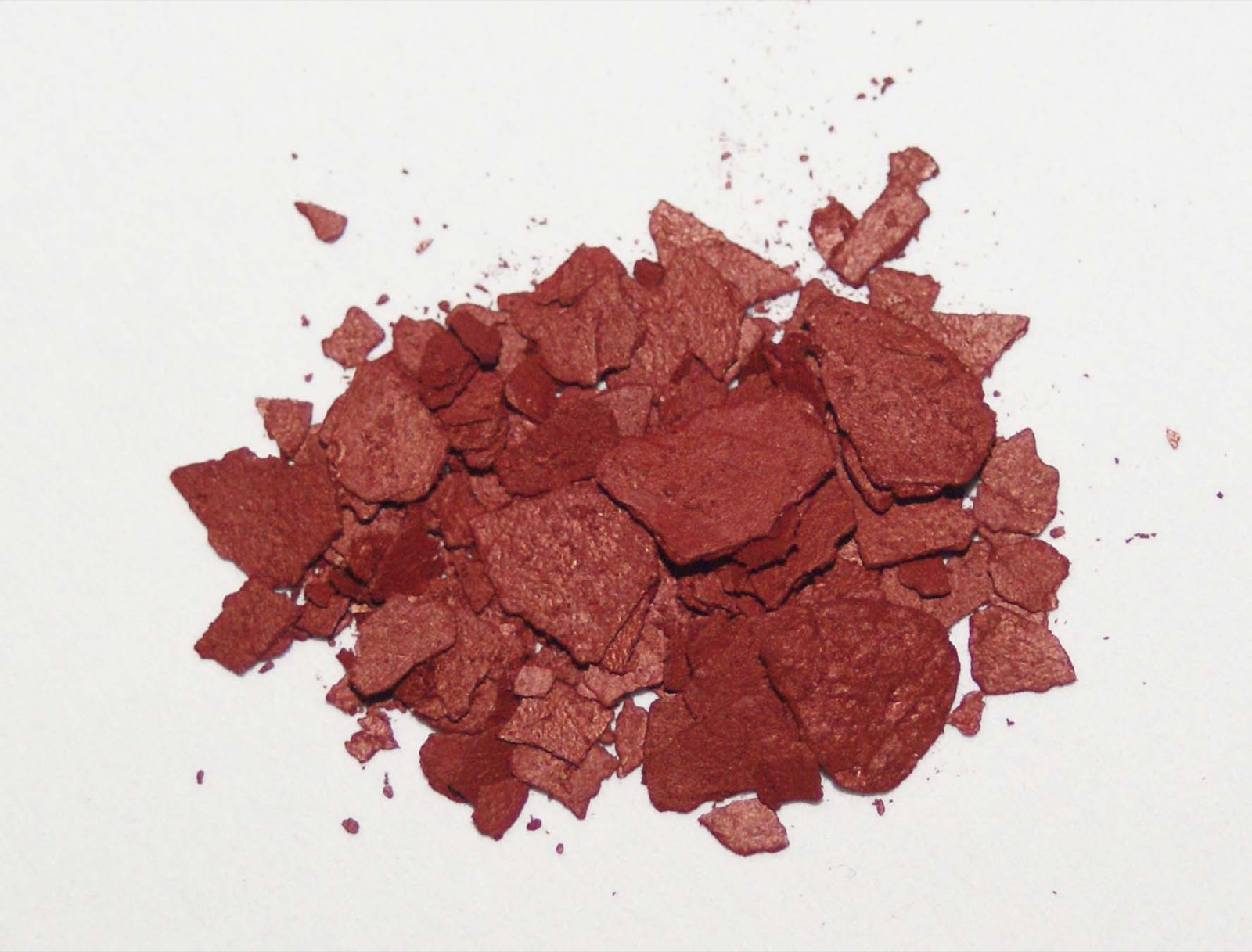
Selenomethionine (L-Selenomethionine)
Bulk L-selenomethionine (CAS 3211-76-5, C5H11NO2Se) assaying 98% min., 40.3% theoretical elemental selenium, plus 0.5%, 1% and 2% Se triturations. Vegan, non-yeast organic selenium.
Specifications
| Chemical name | L-Selenomethionine; 2-amino-4-(methylselanyl)butanoic acid — the selenium analogue of L-methionine |
| CAS number | 3211-76-5 (L-form); 1464-42-2 (DL racemate) |
| Molecular formula | C5H11NO2Se (molecular weight 196.11) |
| Assay | 98.0% min. L-selenomethionine on the dried basis by HPLC; standardised triturations at 0.5%, 1% and 2% selenium on a food-grade carrier |
| Elemental selenium | 40.3% theoretical in pure L-selenomethionine (Se 78.97 in MW 196.11); confirmed per batch by ICP-MS or ICP-OES |
| Appearance | White to off-white crystalline powder |
| Optical rotation | Approximately +18 degrees, [alpha]D, c = 1 in 1 M hydrochloric acid — the identity check that separates the L-form from the DL racemate |
| Melting point | Approximately 265 degrees C, with decomposition |
| Solubility | Soluble in water, approximately 50 mg/mL; sparingly soluble in ethanol |
| Selenium speciation | Single-species organic selenium. Distinct from selenium-enriched yeast, where selenomethionine is protein-bound in a yeast matrix at 1,000-2,000 ppm total Se |
| Allergen and origin status | Synthetic, non-animal, vegan and vegetarian. No milk, egg, soy, fish, crustacean, gluten, nut or yeast input; not derived from Brazil nut or cereal protein |
| Handling and dosing | Potent at microgram inclusion — triturated premixes are recommended for content uniformity. National maximum selenium levels for supplements apply and vary by market |
| Purity and microbiology | Inorganic selenium species, related substances, loss on drying, lead, arsenic, cadmium, mercury and microbiological limits certified on each batch CoA |
| HS code | 2931.90 — India ITC-HS 29319090 (other organo-inorganic compounds, other). See classification note; importing customs authority decides |
Applications
Available grades
L-selenomethionine 98.0% min. (CAS 3211-76-5) in food and supplement grade; DL-selenomethionine (CAS 1464-42-2) on request; standardised triturations at 0.5%, 1% and 2% selenium on maltodextrin or dicalcium phosphate carrier; feed grade. Released against buyer specification with HPLC assay and ICP-MS selenium confirmation. Vegan, non-GMO, kosher and halal documentation available.
Related products
Coenzyme Q10 (Ubiquinone)
Fermentation-derived Coenzyme Q10, all-trans ubidecarenone at 98% minimum, supplied as crystalline powder, micronised grade, water-dispersible beadlet or MCT dispersion for softgel filling.
Ubiquinol (Reduced CoQ10)
Reduced (ubiquinol) form of Coenzyme Q10, CAS 992-78-9, supplied nitrogen-packed as neat powder or as a tocopherol-stabilised oil dispersion for softgel filling. Oxygen-sensitive, cold-chain handled.
Alpha Lipoic Acid
Racemic alpha lipoic acid (thioctic acid), CAS 1077-28-7, at 99% minimum - crystalline, micronised or granular, with R-(+)-lipoic acid and water-soluble sodium R-lipoate quoted separately.