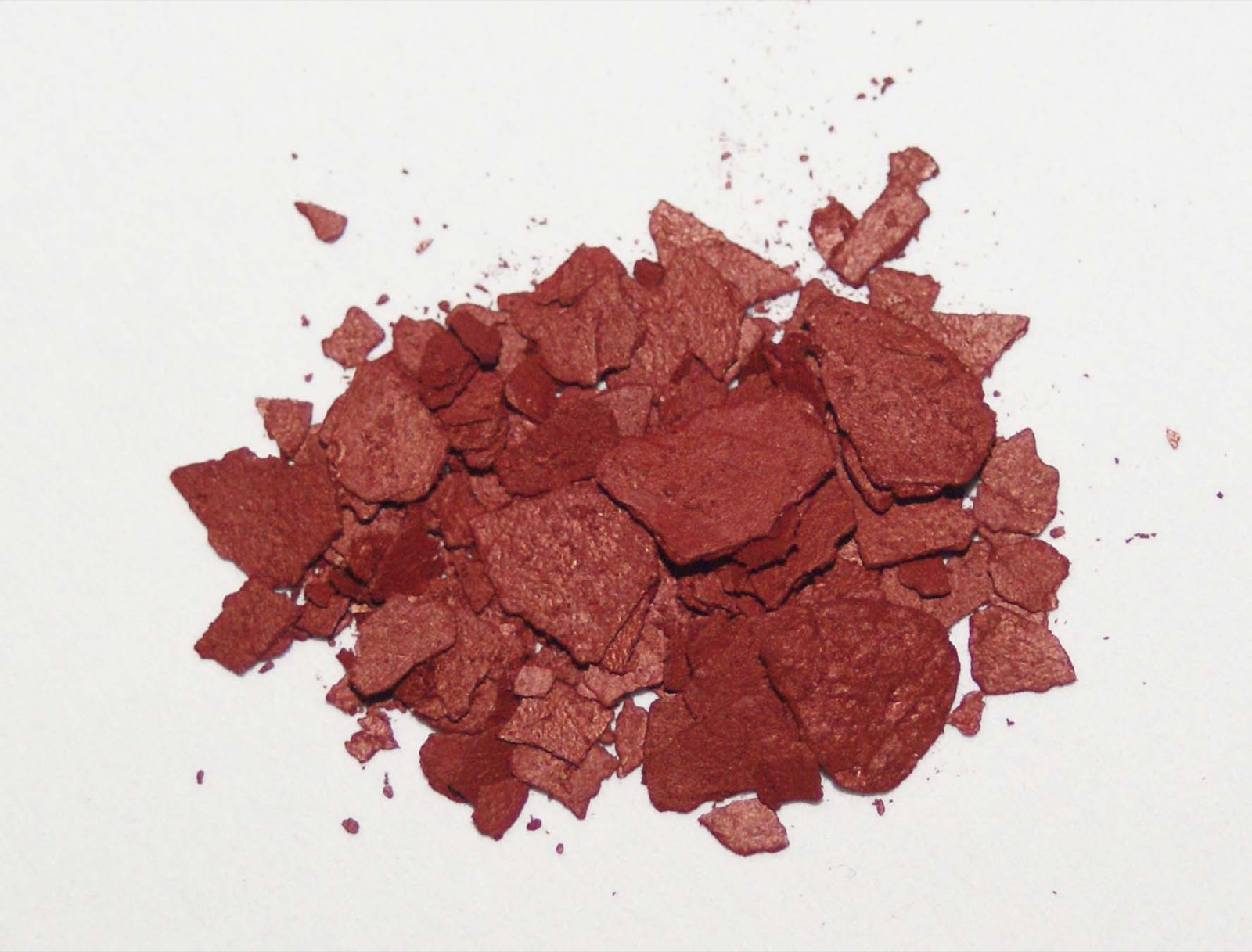
Pyrroloquinoline Quinone Disodium Salt (PQQ)
Pyrroloquinoline quinone disodium salt, CAS 122628-50-6, at 99% minimum on the dry basis - fermentation-derived, water-soluble, vegan, matched to the EU novel food specification.
Specifications
| Chemical name | Pyrroloquinoline quinone disodium salt; disodium 4,5-dioxo-4,5-dihydro-1H-pyrrolo[2,3-f]quinoline-2,7,9-tricarboxylate. Also called methoxatin |
| CAS numbers | 122628-50-6 (disodium salt, the trade article); 72909-34-3 (free acid) |
| Molecular formula and weight | C14H4N2Na2O8; 374.17 g/mol. Free acid C14H6N2O8, 330.21 g/mol |
| Assay | NLT 99.0% by HPLC on the dry basis, matching the EU novel food specification for the authorised article |
| Appearance | Yellow to reddish-brown crystalline powder or powder mass. Deeply coloured, so it will tint white blends, chewables and uncoated tablets |
| Source and production | Bacterial fermentation on a methanol substrate. The EU Union list specifies the non-GMO bacterium Hyphomicrobium denitrificans strain CK-275 as the production organism |
| Solubility | Soluble in water as the disodium salt; the free acid is markedly less soluble, which is why the salt is the commercial form |
| Moisture and residual solvent | Moisture NMT 12.0% and ethanol NMT 0.05%, per the EU novel food specification |
| Heavy metals | EU specification: lead below 3 mg/kg, arsenic below 2 mg/kg. Full elemental panel by ICP-MS against USP <2232> on request |
| Microbiology | EU specification: total viable cells NMT 300 CFU/g; mould and yeast NMT 12 CFU/g; coliforms absent in 1 g; production organism NMT 25 CFU/g |
| Vitamin status | Not a recognised vitamin. The 2003 proposal that PQQ is a new B vitamin was challenged in 2005 and has never been adopted; do not label it as a vitamin |
| Allergen status and origin | Methanol-fed bacterial fermentation, non-animal, vegan and vegetarian. No soy, dairy or gluten substrate. Free from milk, egg, soy, fish, crustacean, gluten, peanut and tree nut |
| Regulatory snapshot | EU authorised novel food, Reg (EU) 2018/1122: adult food supplements only, excluding pregnancy and lactation, max 20 mg/day, mandatory on-pack statement. US: 2007 NDI filing… |
| Storage and shelf life | 24 months unopened in the sealed foil pack with desiccant, 2-10 °C recommended, protected from light and moisture |
| HS code | 2933.99 (29339900) |
Applications
Available grades
99% minimum food grade fermentation-derived disodium salt, standard and micronised; EU novel-food-conforming grade released against the Union list specification; 1% and 5% triturations on microcrystalline cellulose for accurate 10-20 mg dosing and content uniformity.
Related products
Coenzyme Q10 (Ubiquinone)
Fermentation-derived Coenzyme Q10, all-trans ubidecarenone at 98% minimum, supplied as crystalline powder, micronised grade, water-dispersible beadlet or MCT dispersion for softgel filling.
Ubiquinol (Reduced CoQ10)
Reduced (ubiquinol) form of Coenzyme Q10, CAS 992-78-9, supplied nitrogen-packed as neat powder or as a tocopherol-stabilised oil dispersion for softgel filling. Oxygen-sensitive, cold-chain handled.
Alpha Lipoic Acid
Racemic alpha lipoic acid (thioctic acid), CAS 1077-28-7, at 99% minimum - crystalline, micronised or granular, with R-(+)-lipoic acid and water-soluble sodium R-lipoate quoted separately.