Proanthocyanidins (OPC)
Grape seed oligomeric proanthocyanidins standardised to 95% proanthocyanidins by UV. Water-soluble flavan-3-ol oligomers of catechin and epicatechin. Vegan, allergen-free, bulk export from India.
Specifications
| Ingredient identity | Grape seed extract, Vitis vinifera L., seed, standardised on proanthocyanidins; ethanol/water extraction, spray dried |
| Compound class | Oligomeric flavan-3-ols: oligomers of catechin and epicatechin and their gallic acid esters, joined by interflavan bonds |
| Oligomer definition | "OPC" strictly denotes the dimer and trimer fraction; chains beyond that are classed as condensed tannins |
| Interflavan linkage | Grape seed material is predominantly B-type (C4 to C8 / C4 to C6); A-type oligomers characterise cranberry and peanut skin |
| Marker compounds | Procyanidin B2, C30H26O12, MW 578.5, CAS 29106-49-8; (+)-catechin CAS 154-23-4; (-)-epicatechin CAS 490-46-0 |
| Standardisation | Proanthocyanidins 95% by UV, acid-butanol (Bate-Smith) assay; total polyphenols reported by Folin-Ciocalteu as gallic acid equivalents |
| Confirmatory methods | HPLC-UV/MS for monomer and dimer profile; vanillin-HCl and DMAC available as alternative colorimetric assays on request |
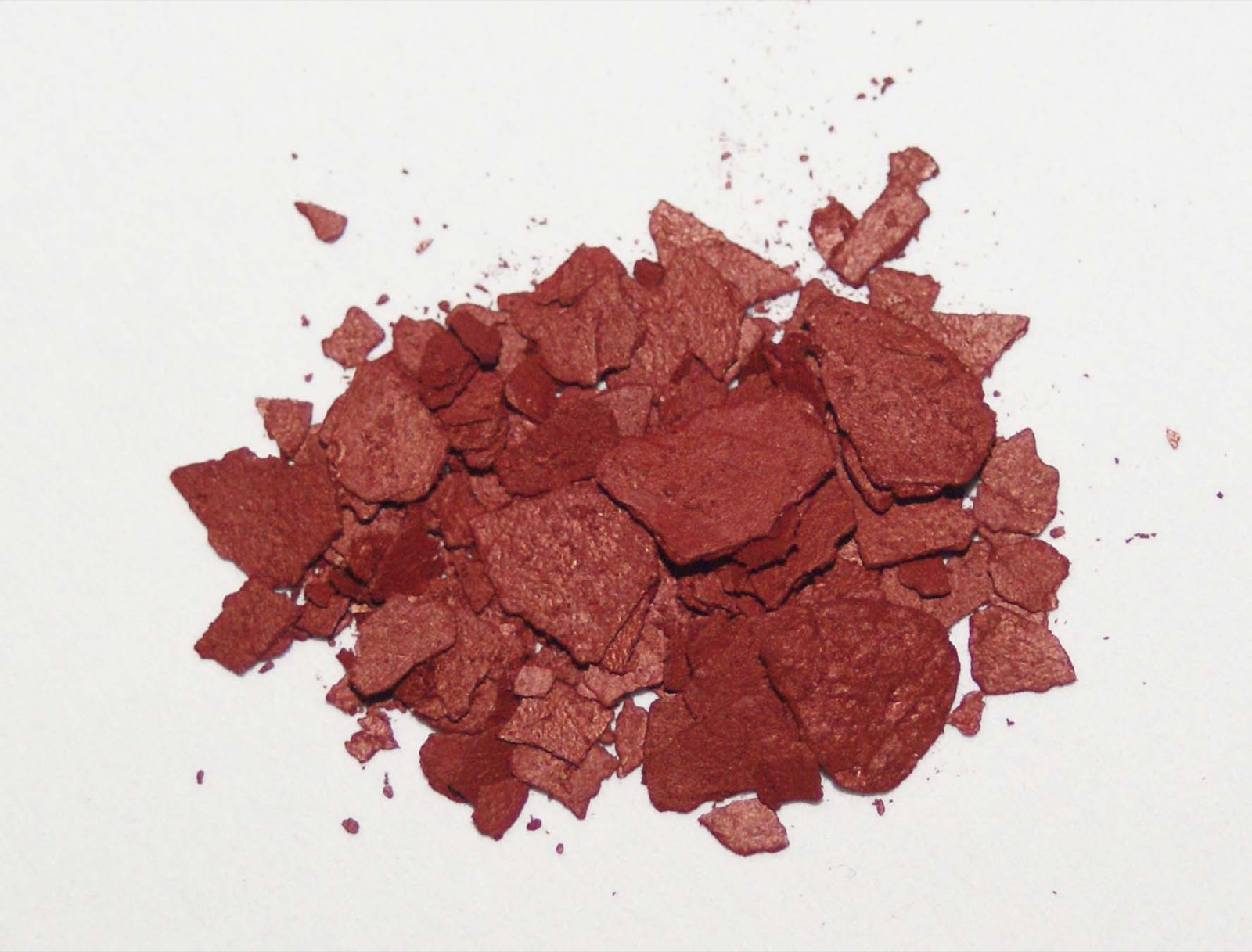
| Appearance and organoleptics | Red-brown to purple-brown fine powder, characteristic astringent taste, characteristic odour |
| Solubility | Freely soluble in water and in aqueous ethanol; solutions darken on standing at alkaline pH |
| Particle size and carrier | Typically 100% through 80 mesh. Supplied carrier-free, or diluted on maltodextrin to a declared strength on request |
| Typical quality limits | Loss on drying NMT 5.0%; sulphated ash NMT 5.0%; heavy metals, pesticide residues and microbiology to buyer-agreed limits, reported per batch |
| Residual solvents | Ethanol and water process; residual solvents controlled to ICH Q3C Class 3 limits and reported on the CoA |
| Allergen, diet and sulphites | Free of milk, egg, soy, fish, crustacean, gluten and tree nut. Vegan, vegetarian, non-GMO. SO2 reported per batch against the 10 mg/kg threshold |
| Shelf life, storage | 24 months unopened, below 25 C, protected from light and moisture. |
| HS code | 1302 19 90 |
Applications
Available grades
Grape seed (Vitis vinifera) extract offered at 70%, 85% or 95% proanthocyanidins by UV, with total polyphenols by Folin-Ciocalteu reported alongside. Maltodextrin-diluted, 80-mesh sieved and instantised versions available, as are generic French maritime pine bark proanthocyanidin grades. Food, supplement and cosmetic grades; kosher and halal certification on request.
Related products
Coenzyme Q10 (Ubiquinone)
Fermentation-derived Coenzyme Q10, all-trans ubidecarenone at 98% minimum, supplied as crystalline powder, micronised grade, water-dispersible beadlet or MCT dispersion for softgel filling.
Ubiquinol (Reduced CoQ10)
Reduced (ubiquinol) form of Coenzyme Q10, CAS 992-78-9, supplied nitrogen-packed as neat powder or as a tocopherol-stabilised oil dispersion for softgel filling. Oxygen-sensitive, cold-chain handled.
Alpha Lipoic Acid
Racemic alpha lipoic acid (thioctic acid), CAS 1077-28-7, at 99% minimum - crystalline, micronised or granular, with R-(+)-lipoic acid and water-soluble sodium R-lipoate quoted separately.