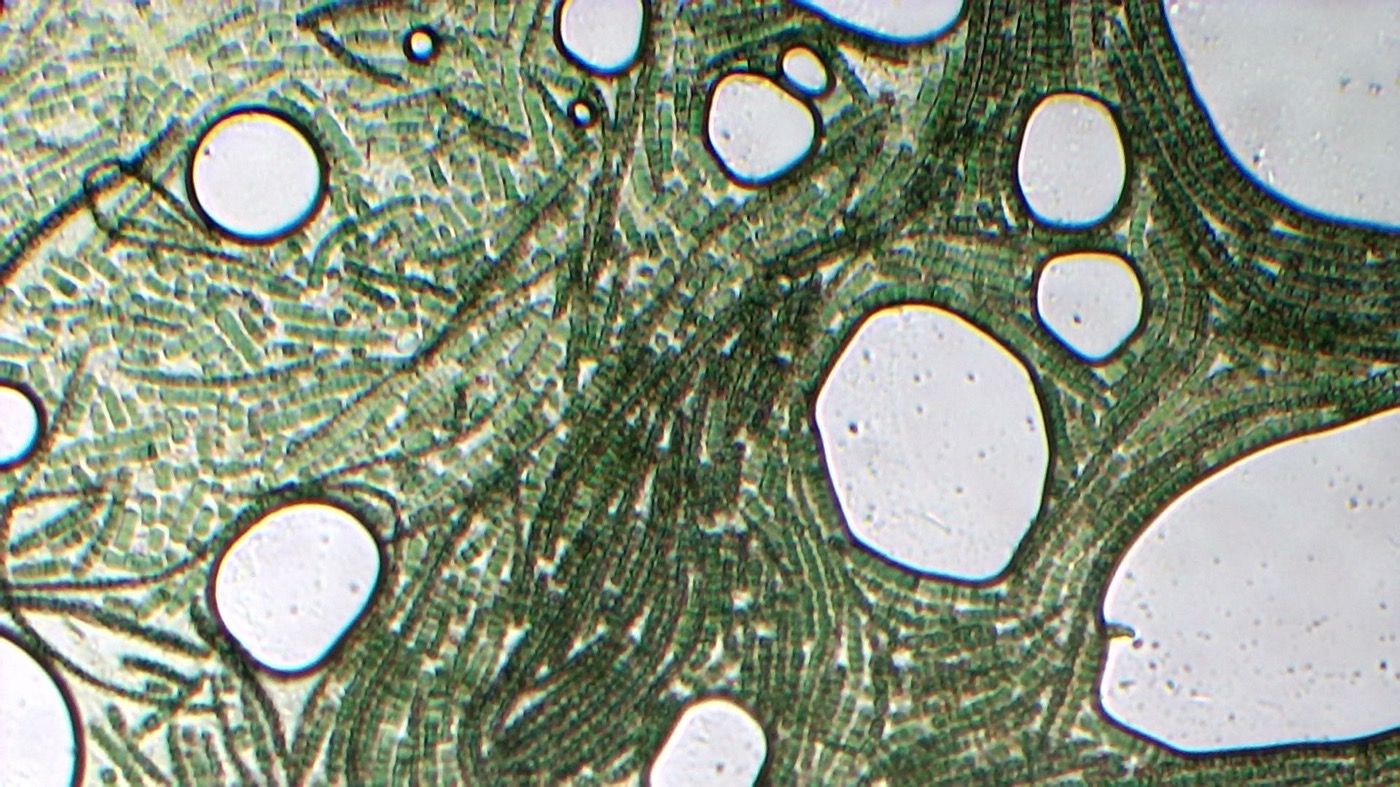
Phycocyanin (Spirulina Extract) Powder
Water-soluble blue phycobiliprotein from Arthrospira platensis, spray-dried to colour value E18 at 618 nm. Vegan, allergen-free, for cold-fill beverages, confectionery and supplement powders.
Specifications
| Identity | C-Phycocyanin, a water-soluble phycobiliprotein; CAS 11016-15-2; principal colouring component of spirulina extract, carried by Codex as INS 134 |
| Biological source | Arthrospira platensis (formerly Spirulina platensis), cultivated biomass; prepared by filtered aqueous extraction of the dried biomass |
| Standardisation | Colour value E18: E 1%/1cm of 18.0 minimum measured at 618 nm on a 1 % w/v aqueous solution at pH 7.0 in a 1 cm cell |
| Purity ratio | A620/A280 of 0.7 minimum for food grade; 1.5 to 3.0 for premium nutraceutical grade; 4.0 minimum for analytical grade on request |
| Appearance and solubility | Free-flowing dark blue to blue-green powder with a faint marine odour; freely soluble in water to a bright clear blue solution, insoluble in oils and fats |
| Carrier | Food grade is spray-dried on maltodextrin (maize or tapioca) at 10 to 30 % w/w; carrier-free freeze-dried grades available. Carrier identity is named on each COA |
| Moisture | 7.0 % maximum loss on drying for food grade; 5.0 % maximum for analytical grade |
| pH and heat limits | Stable across pH 5.0 to 7.0 and precipitates below pH 4.0; denatures irreversibly above about 65 degrees C, so process and fill below 60 degrees C |
| Contaminant limits | Lead 2 mg/kg max, arsenic 2 mg/kg max, mercury 1 mg/kg max, and microcystin toxin negative, matching the US 21 CFR 73.530 colour additive specification |
| Microbiology | Total plate count 10,000 cfu/g max; yeast and mould 500 cfu/g max; E. coli, Salmonella and Staphylococcus aureus absent in the stated sample |
| Regulatory status | Codex INS 134; US 21 CFR 73.530 (food) and 21 CFR 73.1530 (drug use). In the EU it is generally handled as a colouring foodstuff, not an Annex II additive |
| Allergens and diet | No milk, egg, soy, fish, crustacean, gluten or nut inputs; vegan and vegetarian; non-GMO; no bovine, porcine or marine-animal material used at any stage |
| Shelf life and storage | 24 months from manufacture in sealed original packaging kept dry, dark and below 25 degrees C; 2 to 8 degrees C recommended to hold colour value |
| HS code | 32030020, food colours other than synthetic. The sheet value 29362900 is a vitamins line and does not apply. See the classification note |
Applications
Available grades
Colour value grades E3, E6, E10, E18, E25 and E40. Spray-dried carrier-supported and carrier-free freeze-dried. Food grade (A620/A280 minimum 0.7), premium nutraceutical grade (1.5 to 3.0) and analytical grade (minimum 4.0). Organic-certified (NOP and EU) and conventional biomass; kosher and halal certification on request.
Related products
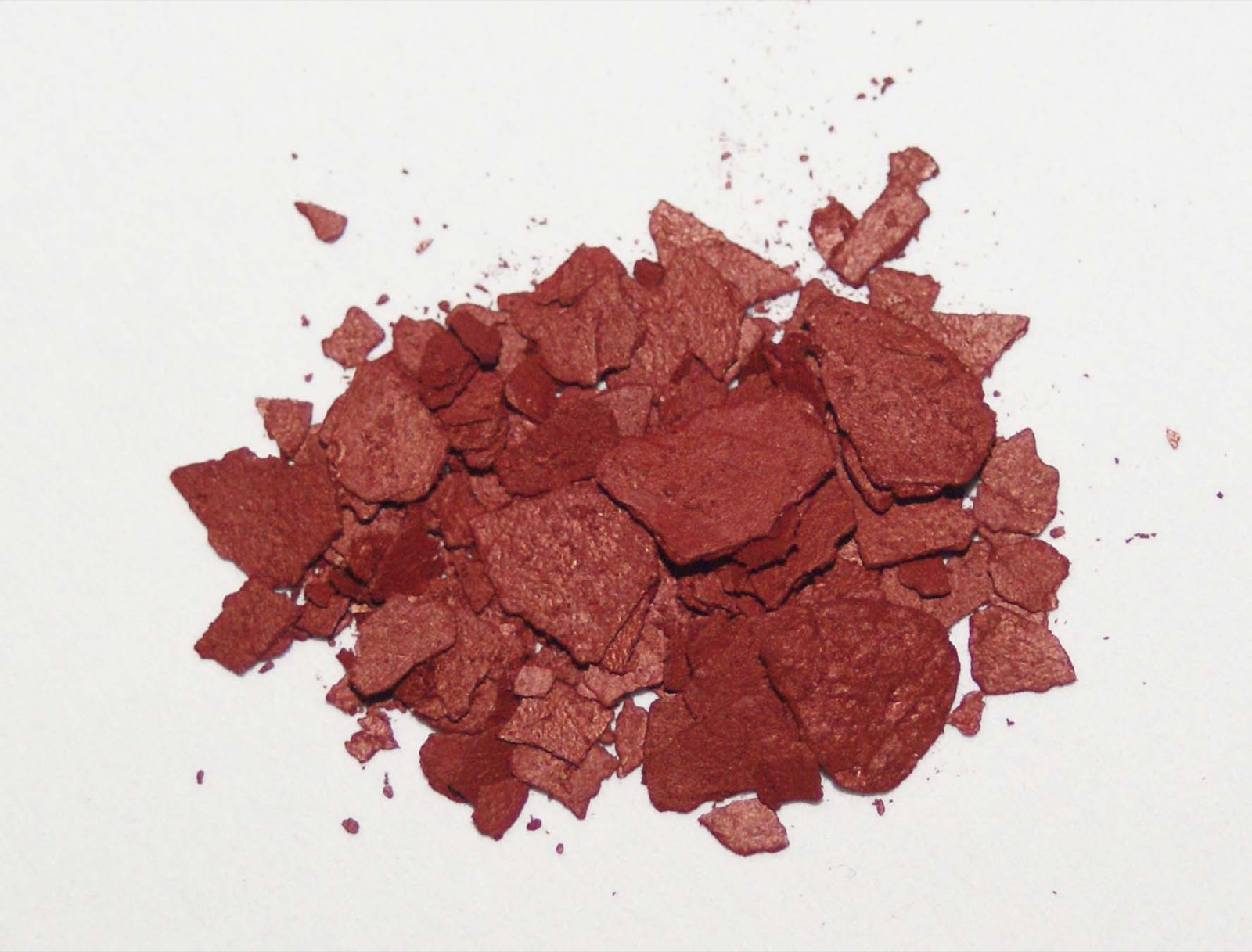
Coenzyme Q10 (Ubiquinone)
Fermentation-derived Coenzyme Q10, all-trans ubidecarenone at 98% minimum, supplied as crystalline powder, micronised grade, water-dispersible beadlet or MCT dispersion for softgel filling.
Ubiquinol (Reduced CoQ10)
Reduced (ubiquinol) form of Coenzyme Q10, CAS 992-78-9, supplied nitrogen-packed as neat powder or as a tocopherol-stabilised oil dispersion for softgel filling. Oxygen-sensitive, cold-chain handled.
Alpha Lipoic Acid
Racemic alpha lipoic acid (thioctic acid), CAS 1077-28-7, at 99% minimum - crystalline, micronised or granular, with R-(+)-lipoic acid and water-soluble sodium R-lipoate quoted separately.