Nicotinamide Riboside Chloride (NR)
Nicotinamide riboside chloride, CAS 23111-00-4, at 98% minimum by HPLC - the nucleoside NAD precursor, conforming to the EU novel food specification, chemically synthesised, vegan and milk-free.
Specifications
| Chemical name | Nicotinamide riboside chloride; 1-[(2R,3R,4S,5R)-3,4-dihydroxy-5-(hydroxymethyl)oxolan-2-yl]pyridin-1-ium-3-carboxamide chloride |
| CAS and EC numbers | 23111-00-4 (chloride salt); 1341-23-7 (free nicotinamide riboside cation); EC 807-820-5 |
| Molecular formula and weight | C11H15ClN2O5; 290.70 g/mol. Free cation C11H15N2O5+, 255.25 g/mol |
| Assay | NLT 98.0% nicotinamide riboside chloride by HPLC. The EU Union list minimum for the novel food is 90%, predominantly the beta form |
| Salt factor | 100 mg of nicotinamide riboside chloride supplies 88 mg of nicotinamide riboside - use this when converting a label claim |
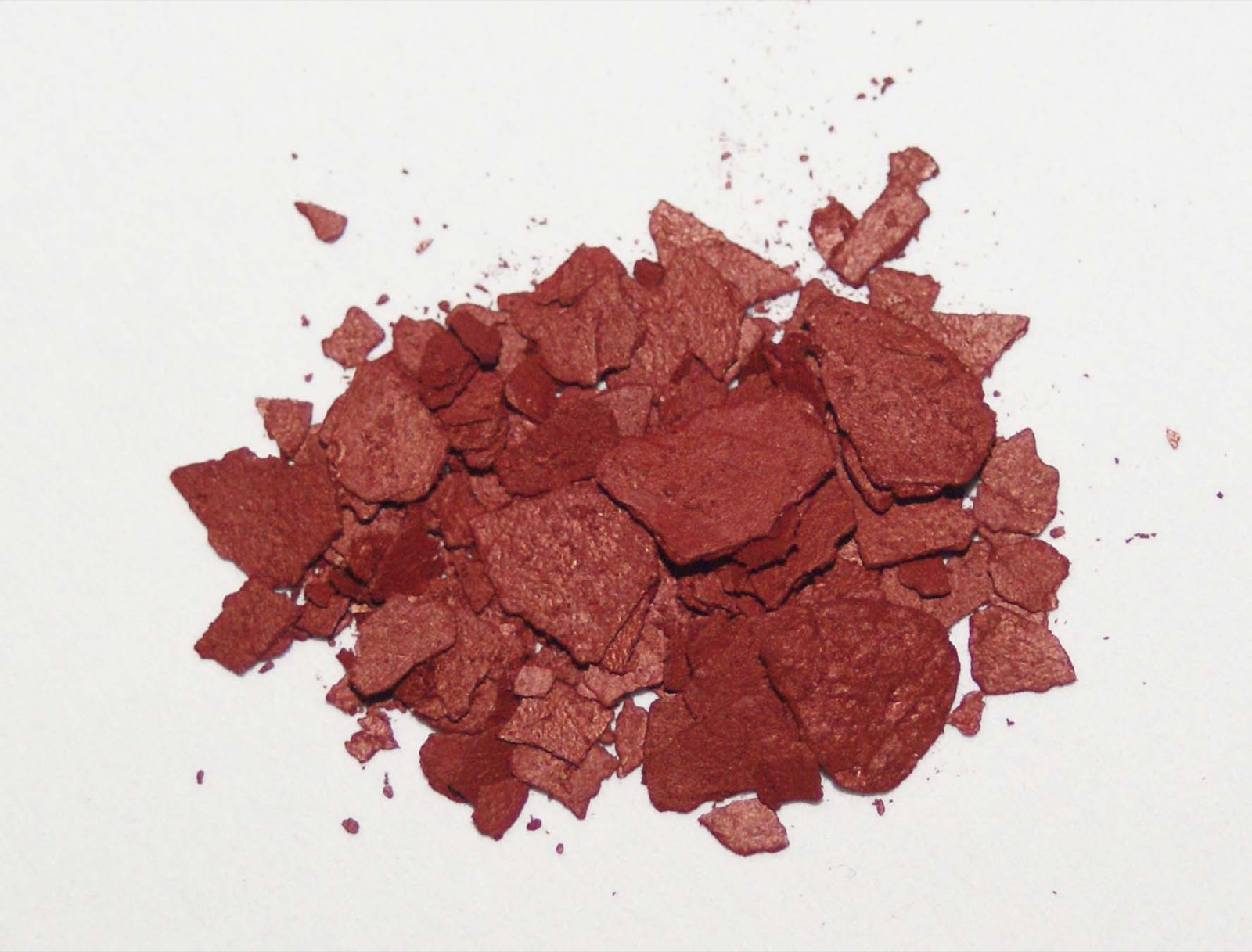
| Appearance | White to light brown crystalline powder, as described in the EU novel food specification. Strongly hygroscopic |
| Water content | NMT 2.0%, per the EU novel food specification. Desiccant packing and humidity-controlled handling are required |
| Solubility | Freely soluble in water; the chloride salt is the water-soluble, isolable form of the nucleoside |
| Stability guidance | Complete thermal breakdown above 130 °C; degradation roughly pseudo-first order, rate about doubling per 10 °C rise; more stable at acidic pH than at neutral pH |
| Purity testing | EU specification sets arsenic NMT 1 mg/kg; Pb, Cd and Hg by ICP-MS to USP <2232>; residual solvents to ICH Q3C |
| Microbiology | EU specification: total plate count NMT 1,000 CFU/g; yeast and mould NMT 100 CFU/g; E. coli absent in 10 g |
| Allergen status and origin | Chemically synthesised, non-animal, vegan and vegetarian. NR occurs naturally in milk but this article is milk-free: no dairy declaration applies. Free from egg, soy, fish, crustacean… |
| Regulatory snapshot | EU authorised novel food, Reg (EU) 2020/16, uses extended by 2022/1160: max 300 mg/day adults, 230 mg/day in pregnancy and lactation. US GRAS notice GRN 635; NDI notifications 2015 and 2017 |
| Storage and shelf life | 24 months unopened in sealed nitrogen-flushed foil with desiccant, 2-8 °C recommended, protected from moisture, heat and light |
| HS code | 2934.99 (29349900) |
Applications
Available grades
98% minimum HPLC food grade, standard and micronised; EU novel-food-conforming grade released against the Union list specification (NLT 90% NRC, water NMT 2%); 20-50% triturations on microcrystalline cellulose for low-dose tableting and capsule uniformity.
Related products
Coenzyme Q10 (Ubiquinone)
Fermentation-derived Coenzyme Q10, all-trans ubidecarenone at 98% minimum, supplied as crystalline powder, micronised grade, water-dispersible beadlet or MCT dispersion for softgel filling.
Ubiquinol (Reduced CoQ10)
Reduced (ubiquinol) form of Coenzyme Q10, CAS 992-78-9, supplied nitrogen-packed as neat powder or as a tocopherol-stabilised oil dispersion for softgel filling. Oxygen-sensitive, cold-chain handled.
Alpha Lipoic Acid
Racemic alpha lipoic acid (thioctic acid), CAS 1077-28-7, at 99% minimum - crystalline, micronised or granular, with R-(+)-lipoic acid and water-soluble sodium R-lipoate quoted separately.