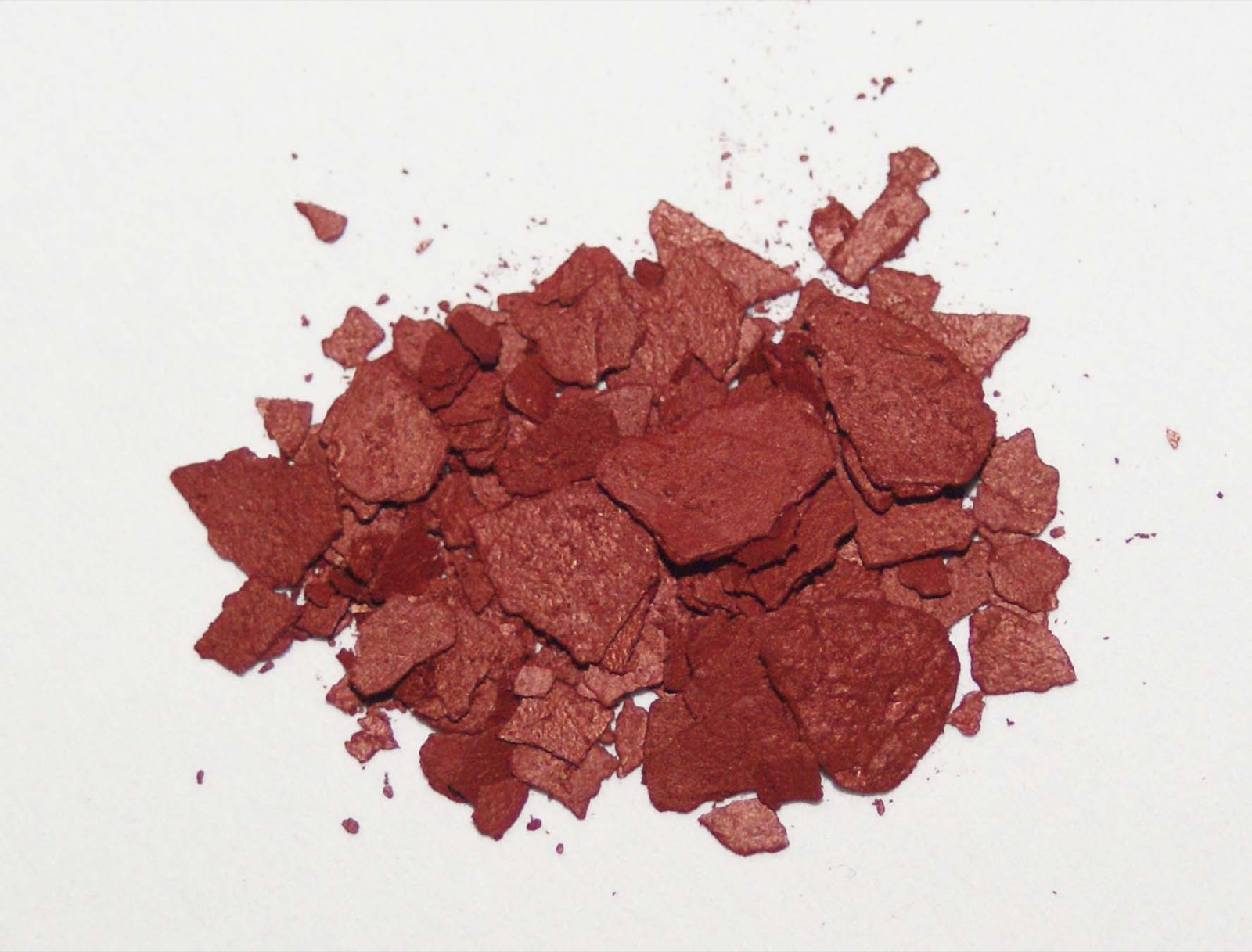
Ellagic Acid
Purified ellagic acid, CAS 476-66-4, C14H6O8, assayed not less than 98% by HPLC. The dilactone of hexahydroxydiphenic acid, released from pomegranate and gallnut ellagitannins. Vegan bulk powder.
Specifications
| Chemical name | Ellagic acid; 2,3,7,8-tetrahydroxychromeno[5,4,3-cde]chromene-5,10-dione; also listed as benzoaric acid and gallogen |
| CAS number | 476-66-4 |
| Molecular formula and weight | C14H6O8; 302.19 g/mol (PubChem CID 5281855) |
| Chemical class | Dilactone of hexahydroxydiphenic acid; fused aromatic oxygen heterocycle; hydrolysis product of ellagitannins such as punicalagin and geraniin |
| Botanical origin | Pomegranate (Punica granatum) peel and husk, or gallnut from Quercus infectoria / Rhus chinensis; oak, walnut hull and berry ellagitannins also used |
| Assay | Not less than 98.0% ellagic acid by HPLC-UV on the dried basis; 90% grade also offered |
| Appearance | Off-white to cream or pale beige fine powder at high purity; pale yellow to tan at lower assay |
| Melting point | Above 360 C (Merck Index); decomposes rather than melting cleanly. Technical hydrate reported above 300 C |
| Solubility | Under 1 mg/mL in water; slightly soluble in alcohol; soluble in aqueous alkalies and in pyridine; practically insoluble in ether |
| Hydration state | Commonly supplied as the hydrate; loss on drying typically NMT 5.0% and declared on the CoA |
| Typical quality limits | Sulphated ash NMT 2.0%; heavy metals, pesticide residues and microbiology to buyer-agreed limits, reported on each batch CoA |
| Residual solvents | Controlled to ICH Q3C Class 3 limits and reported on the CoA; solvent set stated per production route |
| Allergen, diet and origin | Vegan, vegetarian, non-GMO. Free of milk, egg, soy, fish, crustacean and gluten. Gallnut is a plant gall, not a tree nut; walnut-hull material must be declared tree nut |
| Shelf life, storage | 36 months unopened, below 25 C, protected from light and moisture. |
| HS code | 2932 20 90 |
Applications
Available grades
Purified ellagic acid at 90% and 98% by HPLC, from gallnut or pomegranate feedstock. Micronised and solid-dispersion grades for dry-blend dispersion. Separately, pomegranate (Punica granatum) peel extract standardised at 40% ellagic acid, and punicalagin-standardised pomegranate grades. Food, supplement and cosmetic grades; kosher and halal certification on request.
Related products
Coenzyme Q10 (Ubiquinone)
Fermentation-derived Coenzyme Q10, all-trans ubidecarenone at 98% minimum, supplied as crystalline powder, micronised grade, water-dispersible beadlet or MCT dispersion for softgel filling.
Ubiquinol (Reduced CoQ10)
Reduced (ubiquinol) form of Coenzyme Q10, CAS 992-78-9, supplied nitrogen-packed as neat powder or as a tocopherol-stabilised oil dispersion for softgel filling. Oxygen-sensitive, cold-chain handled.
Alpha Lipoic Acid
Racemic alpha lipoic acid (thioctic acid), CAS 1077-28-7, at 99% minimum - crystalline, micronised or granular, with R-(+)-lipoic acid and water-soluble sodium R-lipoate quoted separately.