Beta-Carotene (Natural)
Natural-origin beta-carotene (CAS 7235-40-7) from Dunaliella salina, Blakeslea trispora fermentation and plant carotenes, as 1-30% CWD beadlets, oil suspensions and emulsions.
Specifications
| Chemical name | Beta-carotene of natural origin (all-trans- and 9-cis-beta-carotene); provitamin A carotenoid, tetraterpene hydrocarbon |
| CAS number | 7235-40-7 |
| Molecular formula | C40H56 (molecular weight 536.87) |
| Source options | Dunaliella salina microalgal biomass; Blakeslea trispora submerged fermentation; plant and palm-fruit mixed carotenes; carrot oleoresin. Synthetic material excluded |
| Assay / standardisation | 1%, 10%, 20% and 30% beta-carotene as CWD beadlets, vegetable-oil suspensions and emulsions. JECFA specification for B. trispora material: NLT 96% total colouring matter |
| Isomer profile | Natural material carries 9-cis beta-carotene alongside all-trans, unlike synthetic material; isomer split reported per batch by HPLC rather than fixed by specification |
| Accompanying carotenoids | Alpha-carotene, gamma-carotene, lutein, zeaxanthin and beta-cryptoxanthin occur with the beta-carotene; gamma-carotene up to 3% in B. trispora material (JECFA) |
| Provitamin A activity | 1 IU vitamin A = 0.6 µg beta-carotene. 1 µg RAE = 2 µg supplemental beta-carotene or 12 µg dietary all-trans beta-carotene |
| Regulatory identity | Food colour E160a / INS 160a (mixed carotenes and beta-carotene). Confirm the permitted source and use level for the destination market |
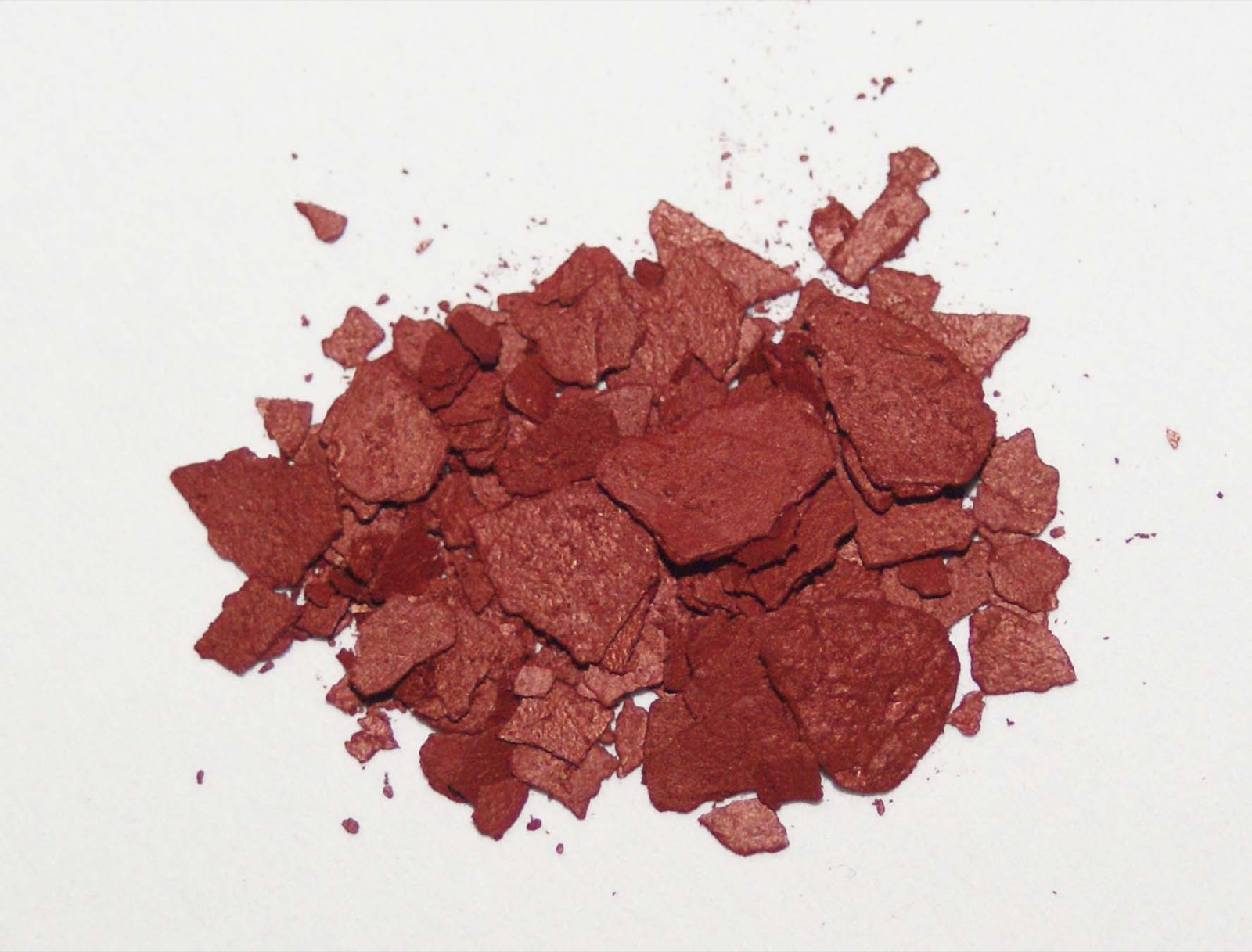
| Appearance and melting point | Beadlets: orange-red to reddish-brown free-flowing spheres. Oil suspension: deep orange-red viscous liquid. Crystal: dark orange, melts approx. 183 degrees C with decomposition |
| Solubility | Practically insoluble in water; sparingly soluble in vegetable oils; soluble in chloroform and dichloromethane. CWD beadlets disperse in cold water without a fat carrier |
| Allergen and origin status | Algal, fungal or plant sourced — vegan and vegetarian, non-GMO on declaration. No bovine, porcine, marine-animal, milk, egg, fish, crustacean, gluten or nut input |
| Purity and microbiology | Heavy metals, residual solvents and microbiological limits certified on each batch CoA to buyer or JECFA/FCC specification |
| HS code | 3203.00 (32030020) |
Applications
Available grades
Natural origin only — Dunaliella salina algal carotenes, Blakeslea trispora fermentation beta-carotene, and plant or palm-fruit mixed carotene oleoresin. Food grade, food colour grade E160a / INS 160a and feed grade; 1%, 10%, 20% and 30% cold-water-dispersible beadlets, 20% and 30% vegetable-oil suspensions and beverage emulsions. Vegan, non-GMO, kosher and halal documentation available. Synthetic beta-carotene is listed separately.
Related products
Coenzyme Q10 (Ubiquinone)
Fermentation-derived Coenzyme Q10, all-trans ubidecarenone at 98% minimum, supplied as crystalline powder, micronised grade, water-dispersible beadlet or MCT dispersion for softgel filling.
Ubiquinol (Reduced CoQ10)
Reduced (ubiquinol) form of Coenzyme Q10, CAS 992-78-9, supplied nitrogen-packed as neat powder or as a tocopherol-stabilised oil dispersion for softgel filling. Oxygen-sensitive, cold-chain handled.
Alpha Lipoic Acid
Racemic alpha lipoic acid (thioctic acid), CAS 1077-28-7, at 99% minimum - crystalline, micronised or granular, with R-(+)-lipoic acid and water-soluble sodium R-lipoate quoted separately.