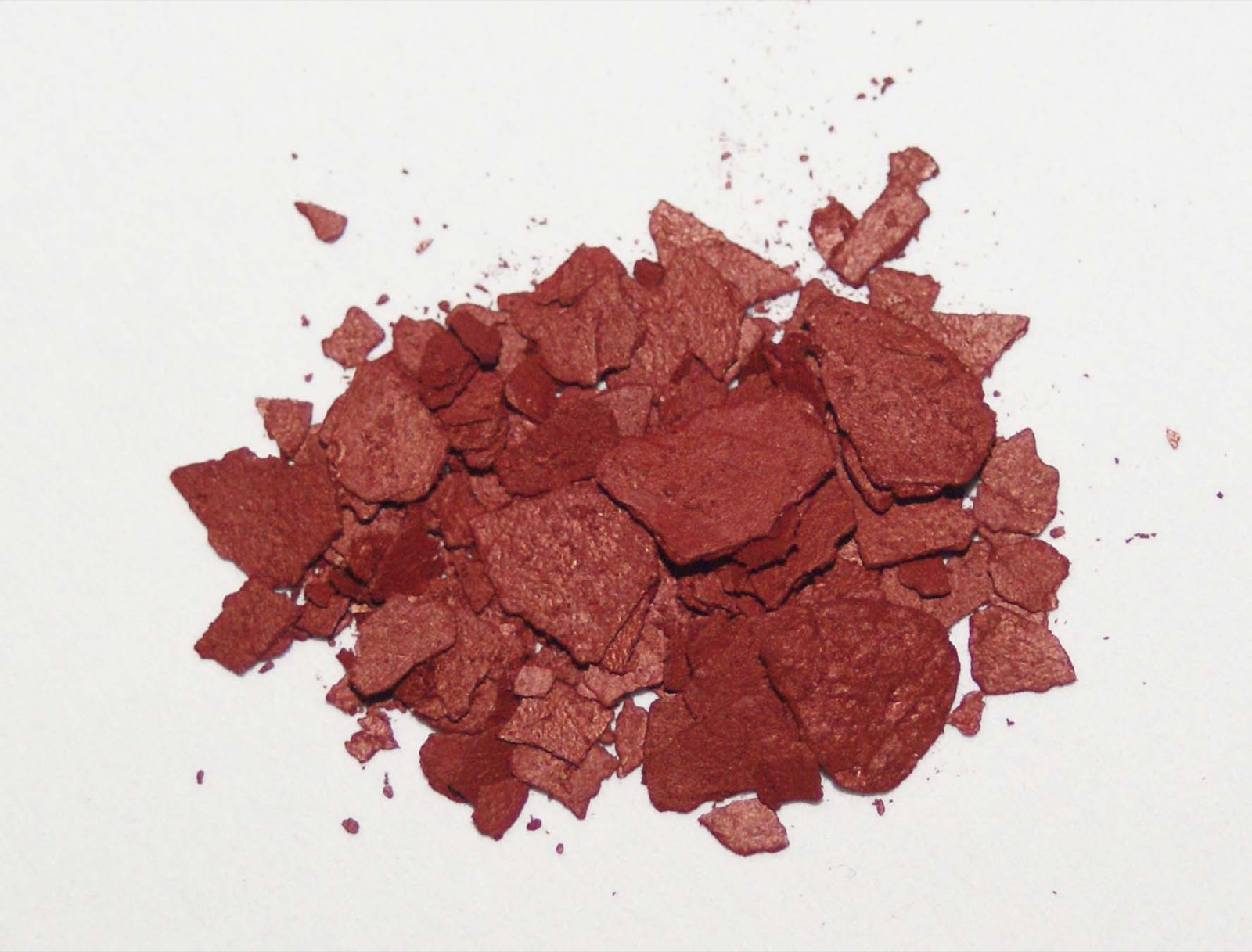
Apigenin
Apigenin 98% by HPLC, CAS 520-36-5, C15H10O5. The 4',5,7-trihydroxyflavone aglycone from chamomile flower or parsley. Not celery derived, so no celery allergen declaration. Vegan bulk powder.
Specifications
| Chemical name | Apigenin; 4',5,7-trihydroxyflavone; 5,7-dihydroxy-2-(4-hydroxyphenyl)-4H-chromen-4-one |
| CAS number | 520-36-5 |
| Molecular formula and weight | C15H10O5; 270.24 g/mol (PubChem CID 5280443) |
| Chemical class | Flavone aglycone of the flavonoid family; a chromen-4-one, historically used as the dye C.I. Natural Yellow 1 |
| Botanical origin | Chamomile flower (Matricaria chamomilla) or parsley (Petroselinum crispum); apigenin is reported as about 68% of total chamomile flavonoids |
| Native glycoside forms | Occurs bound as apiin (7-O-apiosylglucoside), apigetrin (7-O-glucoside) and the C-glycosides vitexin and isovitexin; aglycone freed by hydrolysis |
| Assay | Not less than 98.0% apigenin by HPLC-UV on the dried basis; 95% grade also offered |
| Appearance | Light yellow to yellow crystalline powder with characteristic faint odour |
| Melting point | 345 to 350 C (Merck Index); 347.5 C reported by the Handbook of Data on Organic Compounds |
| Solubility | Soluble in ethanol and pyridine; very soluble in dilute alkalies; moderately soluble in hot alcohol; dissolves in dilute KOH with intense yellow; practically insoluble in water |
| Typical quality limits | Loss on drying NMT 2.0%; sulphated ash NMT 1.0%; heavy metals, pesticide residues and microbiology to buyer-agreed limits, reported per batch |
| Residual solvents | Controlled to ICH Q3C Class 3 limits and reported on the CoA; solvent set stated per production route |
| Allergen, diet and origin | Not celery-derived, so no celery allergen declaration. Free of milk, egg, soy, fish, crustacean, gluten and tree nut. Vegan, vegetarian, non-GMO. Chamomile is Asteraceae |
| Shelf life, storage | 36 months unopened, below 25 C, protected from light; the flavone darkens on prolonged light exposure. |
| HS code | 2932 20 90 |
Applications
Available grades
Apigenin 95% and 98% by HPLC from chamomile flower or parsley feedstock, with the botanical source and plant part stated on every CoA. Micronised and solubilised or solid-dispersion grades for aqueous and beverage systems. Lower-strength chamomile extracts standardised on apigenin or apigenin-7-O-glucoside quoted separately. Food, supplement and cosmetic grades; kosher and halal certification on request.
Related products
Coenzyme Q10 (Ubiquinone)
Fermentation-derived Coenzyme Q10, all-trans ubidecarenone at 98% minimum, supplied as crystalline powder, micronised grade, water-dispersible beadlet or MCT dispersion for softgel filling.
Ubiquinol (Reduced CoQ10)
Reduced (ubiquinol) form of Coenzyme Q10, CAS 992-78-9, supplied nitrogen-packed as neat powder or as a tocopherol-stabilised oil dispersion for softgel filling. Oxygen-sensitive, cold-chain handled.
Alpha Lipoic Acid
Racemic alpha lipoic acid (thioctic acid), CAS 1077-28-7, at 99% minimum - crystalline, micronised or granular, with R-(+)-lipoic acid and water-soluble sodium R-lipoate quoted separately.