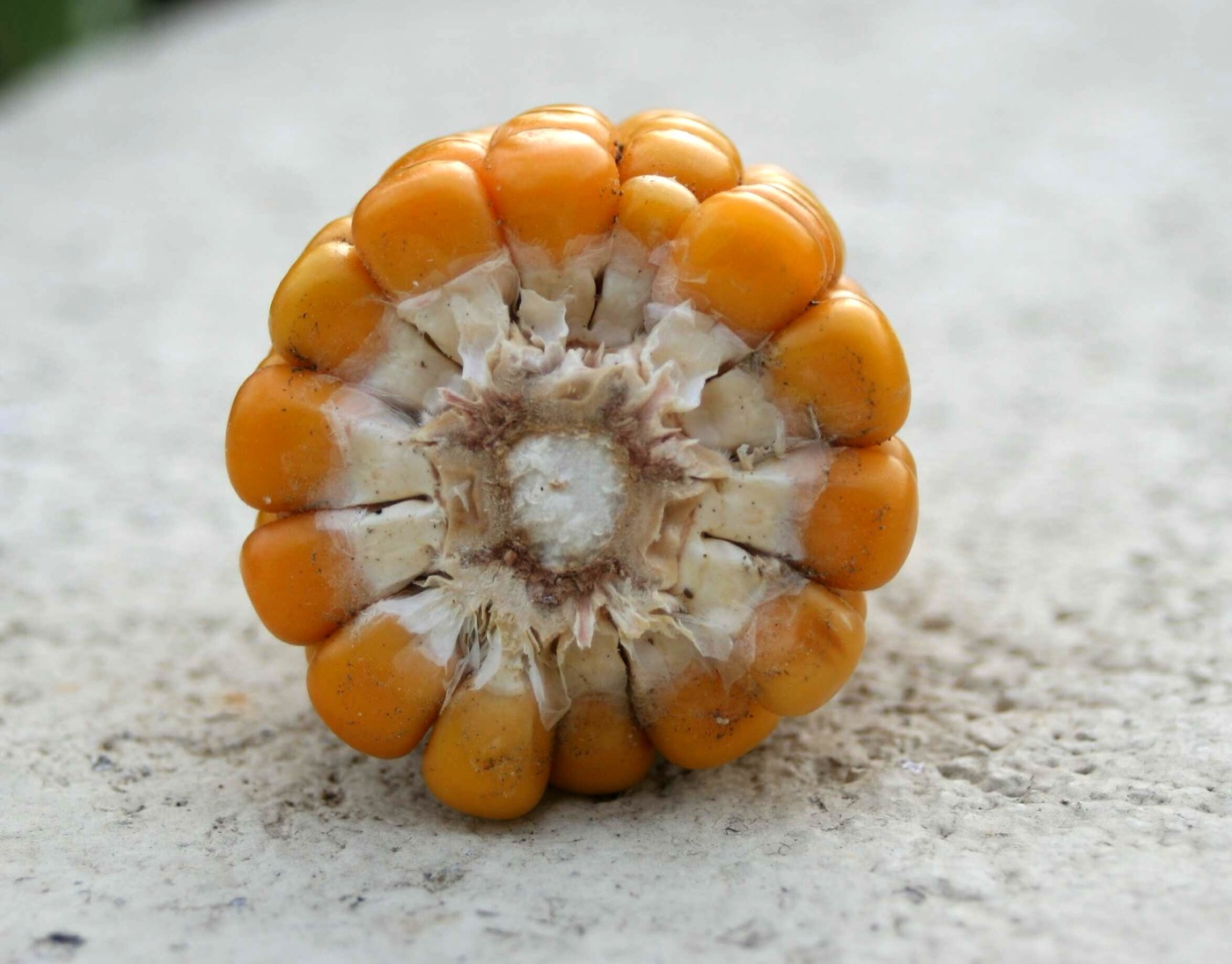
Xylo-oligosaccharides (XOS)
Bulk XOS powder cut from corncob xylan with a Trichoderma reesei xylanase and purified to 70 or 95% XOS on dry basis. Vegan, free of the major allergens, and dosed at only 1 to 4 g.
Specifications
| Identity | Mixture of beta-(1,4) linked xylose oligomers, DP 2 to 7. Xylobiose C10H18O9, MW 282.24. No single CAS number applies to the mixture |
| Botanical source and enzyme | Corncobs of Zea mays subsp. mays (kernels excluded), hydrolysed by endo-1,4-beta-xylanase EC 3.2.1.8 from Trichoderma reesei, then purified |
| Assay | XOS 95P: 95 g/100 g min. on dry basis. XOS 70P powder and XOS 70L syrup: 70 g/100 g min. on dry basis |
| Oligomer profile (XOS 95P) | Xylobiose 25 to 45 g/100 g, xylotriose 27 to 35 g/100 g, xylotetraose 10 to 20 g/100 g, with minor xylopentaose to xyloheptaose |
| Residual monosaccharides | XOS 95P: xylose 0 to 1.0 g/100 g, glucose 0 to 2.0 g/100 g. XOS 70P: xylose and glucose 0 to 5 g/100 g each |
| Appearance and solubility | White to off-white free-flowing powder, readily water soluble giving a clear solution; XOS 70L supplied as a clear to pale amber syrup |
| Moisture, ash and pH | Moisture 5.0% max., ash 0.3% max., pH 3.5 to 5.0 (per the EU Union list specification) |
| Heavy metals | Lead below 0.5 mg/kg, arsenic below 0.3 mg/kg, copper below 5.0 mg/kg; cadmium and mercury to the buyer's agreed limits |
| Microbiology | Salmonella negative, E. coli negative; total colony count below 10 CFU/g; yeast and mould below 10 CFU/g |
| Process stability | Stable across pH 2.5 to 8 and to 100 C, so it survives acidified beverages, pasteurisation, retort and baking without meaningful loss of oligomer |
| Typical inclusion | 1 to 4 g per daily serving, an order of magnitude below inulin or resistant dextrin dose rates, which keeps cost-in-use and added carbohydrate low |
| Allergen and origin status | No milk, egg, soy, fish, crustacean, gluten or nut input. Vegan and vegetarian; wholly plant-derived. Non-GMO maize declaration and kosher and halal on request |
| EU regulatory position | Authorised novel food under Reg (EU) 2018/1648; label designation 'Xylo-oligosaccharides'; use levels 14 g/kg in bread and cereals, 30 g/kg in chocolate and fruit spreads |
| HS code | 2940.00.00 (India ITC-HS 29400000) for the 70% and 95% grades, not the sheet's 21069099; see the classification note |
Applications
Available grades
XOS 95P powder at 95% minimum on dry basis; XOS 70P powder and XOS 70L syrup at 70% minimum; lower-assay 20% and 35% grades on a corncob or starch carrier for feed and cost-driven applications; organic-certified and non-GMO maize builds; kosher and halal certification on request; agglomerated grade for cold-water dispersion in stick packs.
Related products
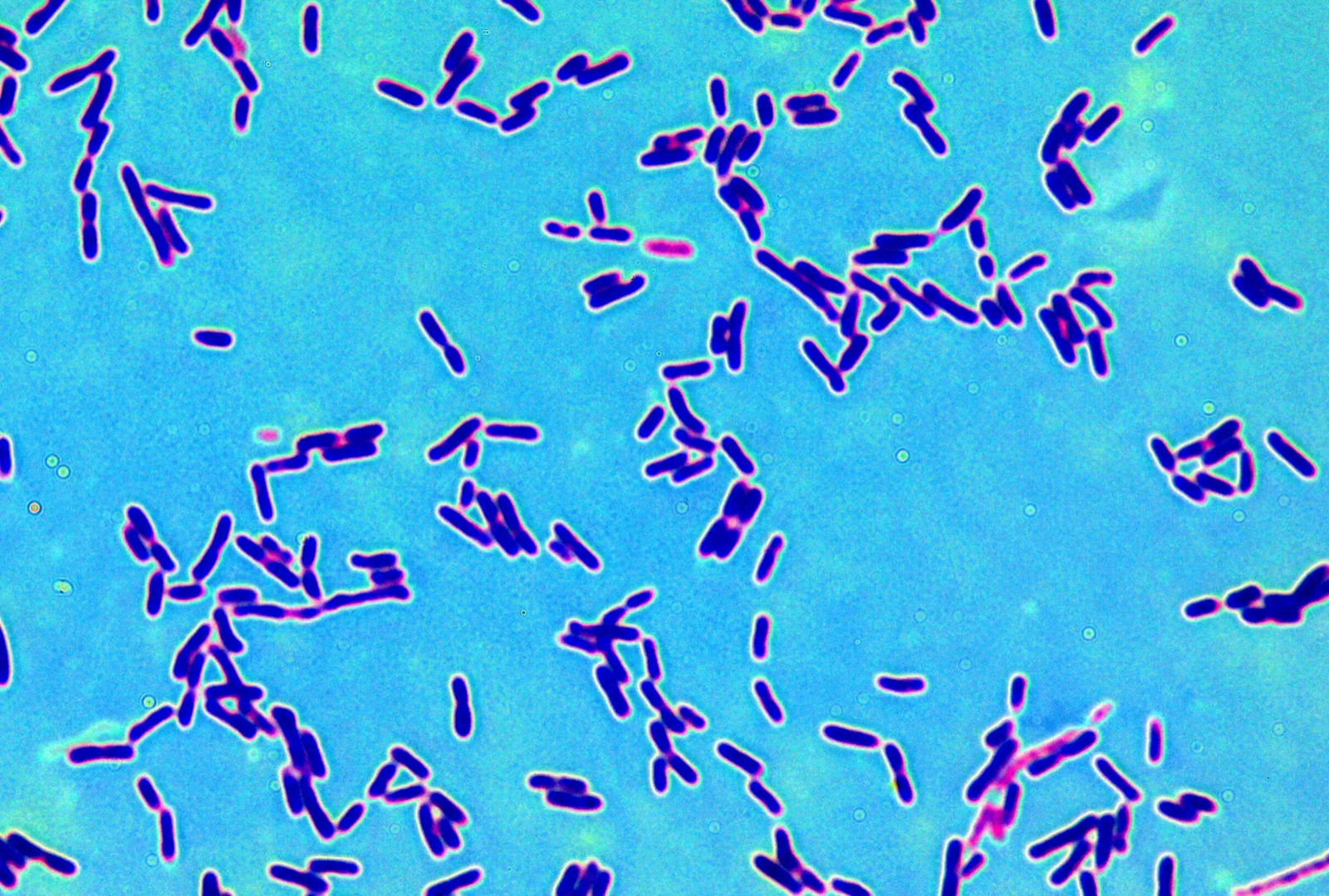
Lactobacillus acidophilus
Freeze-dried Lactobacillus acidophilus culture in bulk for supplement and fermented-dairy manufacturers, standardised to 100-300 billion CFU/g with strain designation, allergen status and viable count certified per lot.
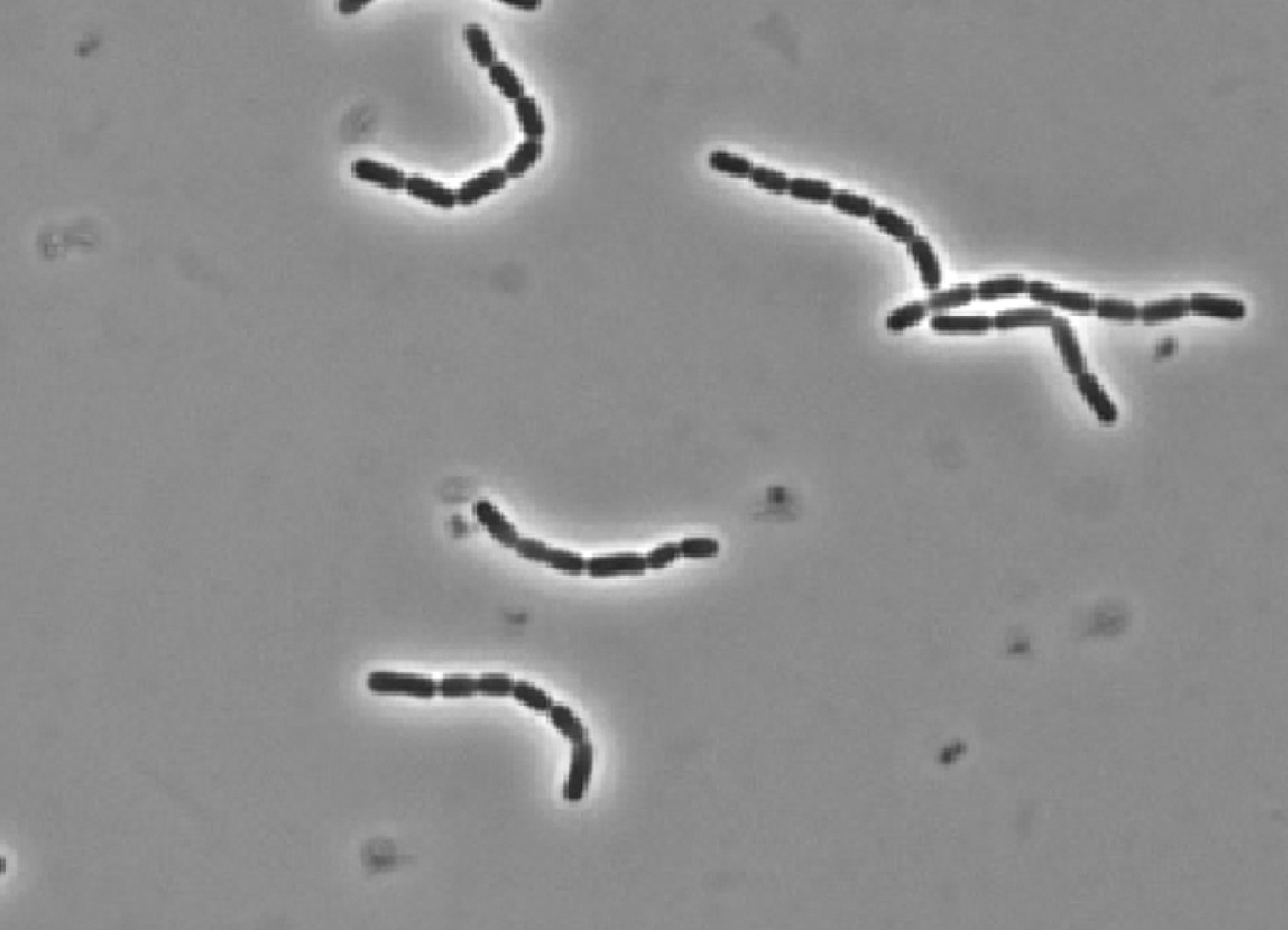
Lactobacillus rhamnosus
Freeze-dried Lacticaseibacillus rhamnosus culture in bulk, standardised to 100-300 billion CFU/g. Acid- and bile-tolerant species for capsules, sticks and dairy drinks, supplied with strain and allergen status per lot.
Lactobacillus plantarum
Freeze-dried Lactiplantibacillus plantarum culture in bulk, standardised to 100-300 billion CFU/g. A plant-ferment species suited to vegan formats, supplied with strain designation and allergen status per lot.