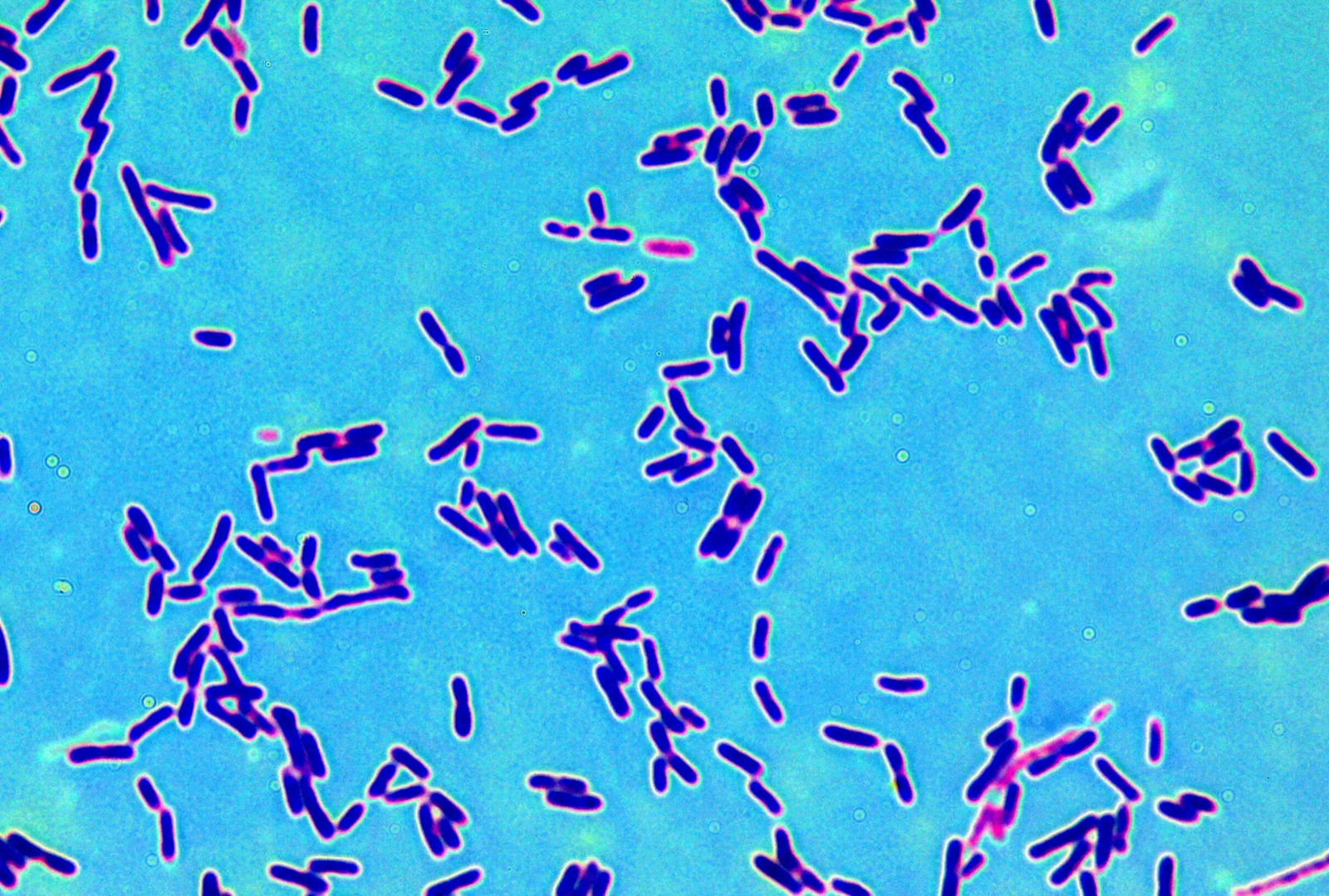
Lactobacillus plantarum
Freeze-dried Lactiplantibacillus plantarum culture in bulk, standardised to 100-300 billion CFU/g. A plant-ferment species suited to vegan formats, supplied with strain designation and allergen status per lot.
Specifications
| Organism | Lactiplantibacillus plantarum (Orla-Jensen 1919) Zheng et al. 2020; basonym Streptobacterium plantarum. Still traded and labelled as Lactobacillus plantarum. |
| Type strain | ATCC 14917 = DSM 20174 = JCM 1149 = LMG 6907 = NCIMB 11974 = CIP 103151 = NRRL B-4496 |
| Strain supplied | Reference strain 299v (DSM 9843) is proprietary and licensed; Thovek supplies documented non-proprietary plant-ferment isolates, designation and deposit number stated on the CoA. |
| Morphology and metabolism | Gram-positive non-sporing rods 0.9-1.2 x 3-8 um, singly, in pairs or short chains; facultatively heterofermentative; catalase-negative, some strains show manganese pseudocatalase. |
| Growth profile | Grows at 15 C but not at 45 C, optimum about 30-35 C; acid- and bile-tolerant; genome near 3.3 Mb, among the largest of the lactic acid bacteria. |
| Appearance | Free-flowing off-white to pale cream powder with a mild fermented odour, free from foreign matter and visible agglomerates. |
| Viable count | Standardised to 100, 150, 200 or 300 billion CFU/g at release, with manufacturing overage so the declared claim holds to the end of shelf life. |
| Enumeration method | MRS pour plate, anaerobic, 37 C / 72 h; ISO 15214 mesophilic lactic acid bacteria count at 30 C where required; ISO 19344 | IDF 232 flow cytometry on request. |
| Composition and moisture | Freeze-dried culture on maltodextrin, with anti-caking silica where specified; moisture not more than 5.0%; water activity typically below 0.25, which governs survival in storage. |
| Microbiological limits | Coliforms below 10 cfu/g; E. coli, Salmonella and S. aureus absent in 25 g; yeast and mould below 100 cfu/g; tested by FSSAI and USP microbial enumeration methods. |
| Heavy metals | Typical limits lead 1.0, arsenic 1.0, cadmium 0.5 and mercury 0.1 ppm maximum, confirmed by ICP-MS on each lot or tightened to buyer specification. |
| Allergens and dietary status | Standard grade is grown on plant-peptone media: vegan, and free of milk, egg, soy, fish, crustacean, gluten and nut inputs. Any soy-peptone lot is declared as such on the certificate. |
| Regulatory status | EFSA qualified presumption of safety species; strain 299v covered by US FDA GRAS notice GRN 685. Non-GMO strains only, with strain-level declaration for FSSAI. |
| HS code (India ITC-HS) | 3002 49 10 for the bulk culture concentrate; 2106 90 99 only for the finished capsule or sachet. Importing customs authority decides. |
Applications
Available grades
Freeze-dried culture concentrate at 100, 150, 200 or 300 billion CFU/g; vegan plant-peptone grade as standard; allergen-free grade for clean-label claims; microencapsulated grade for tableting, acidic bases and moisture-exposed matrices; multi-strain custom blends; finished capsule and stick-pack for private label.
Related products
Lactobacillus acidophilus
Freeze-dried Lactobacillus acidophilus culture in bulk for supplement and fermented-dairy manufacturers, standardised to 100-300 billion CFU/g with strain designation, allergen status and viable count certified per lot.
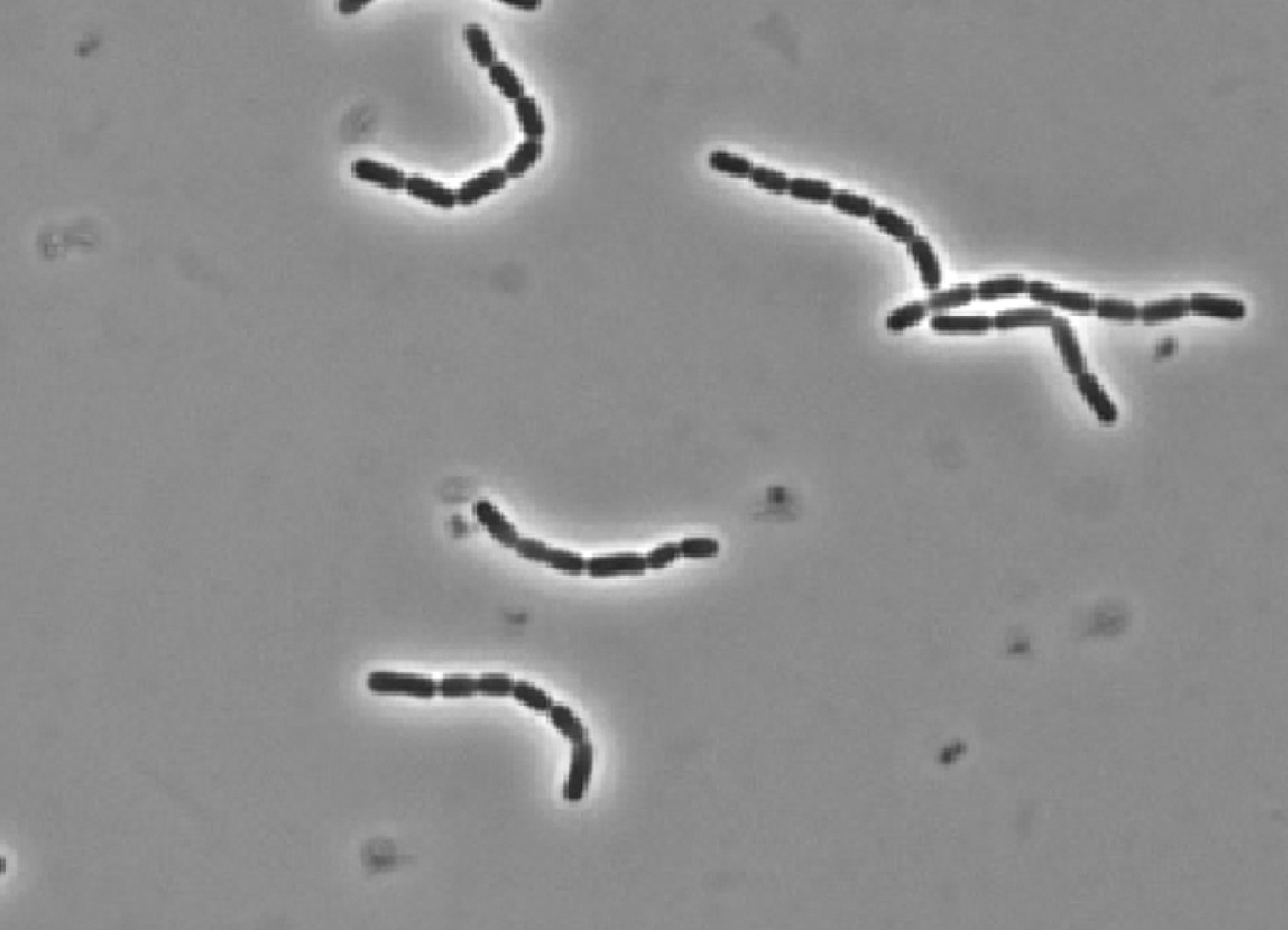
Lactobacillus rhamnosus
Freeze-dried Lacticaseibacillus rhamnosus culture in bulk, standardised to 100-300 billion CFU/g. Acid- and bile-tolerant species for capsules, sticks and dairy drinks, supplied with strain and allergen status per lot.
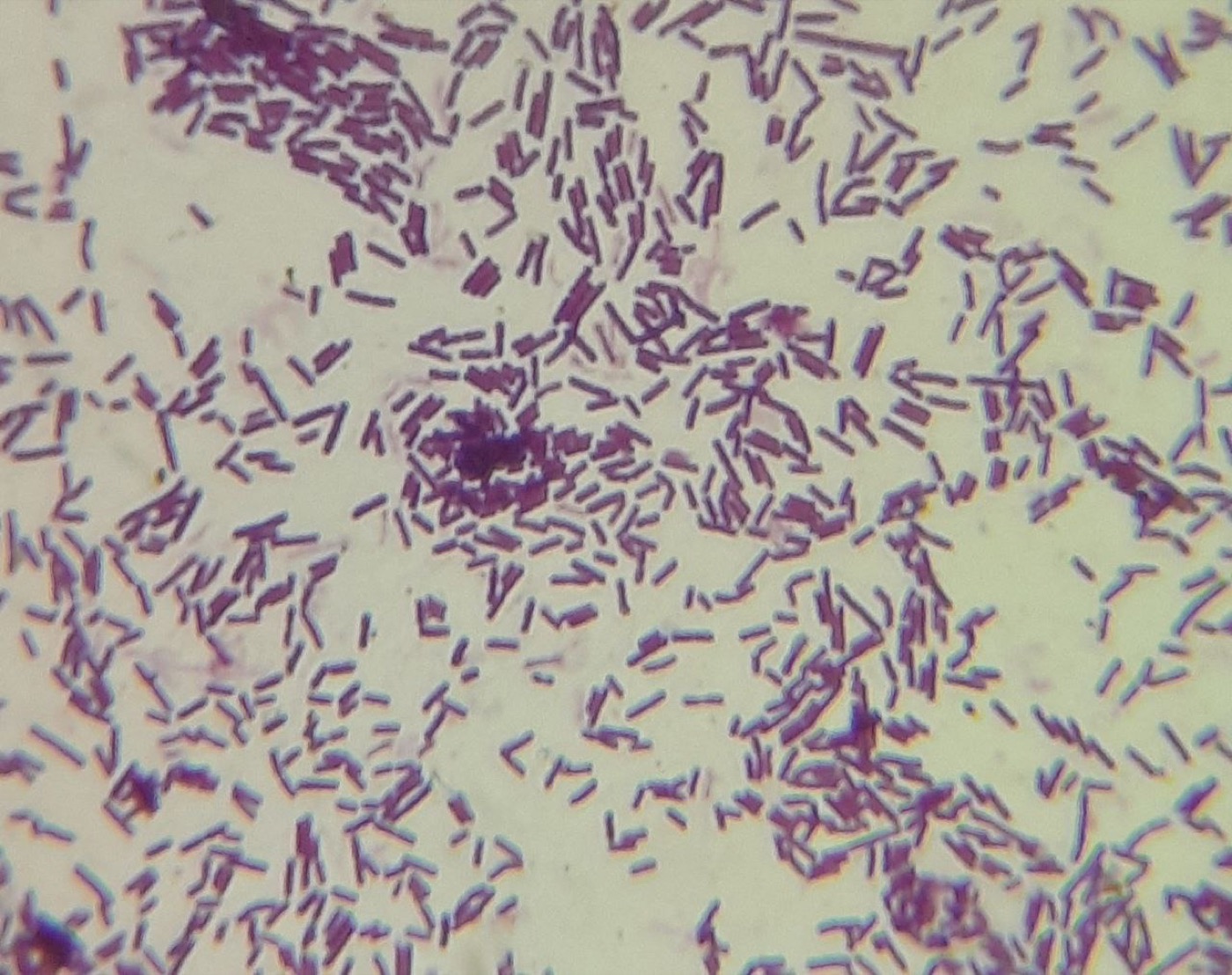
Lactobacillus reuteri
Live freeze-dried Limosilactobacillus reuteri (formerly Lactobacillus reuteri), CFU-standardised and supplied as bulk culture or finished capsules for supplement and functional food manufacture.