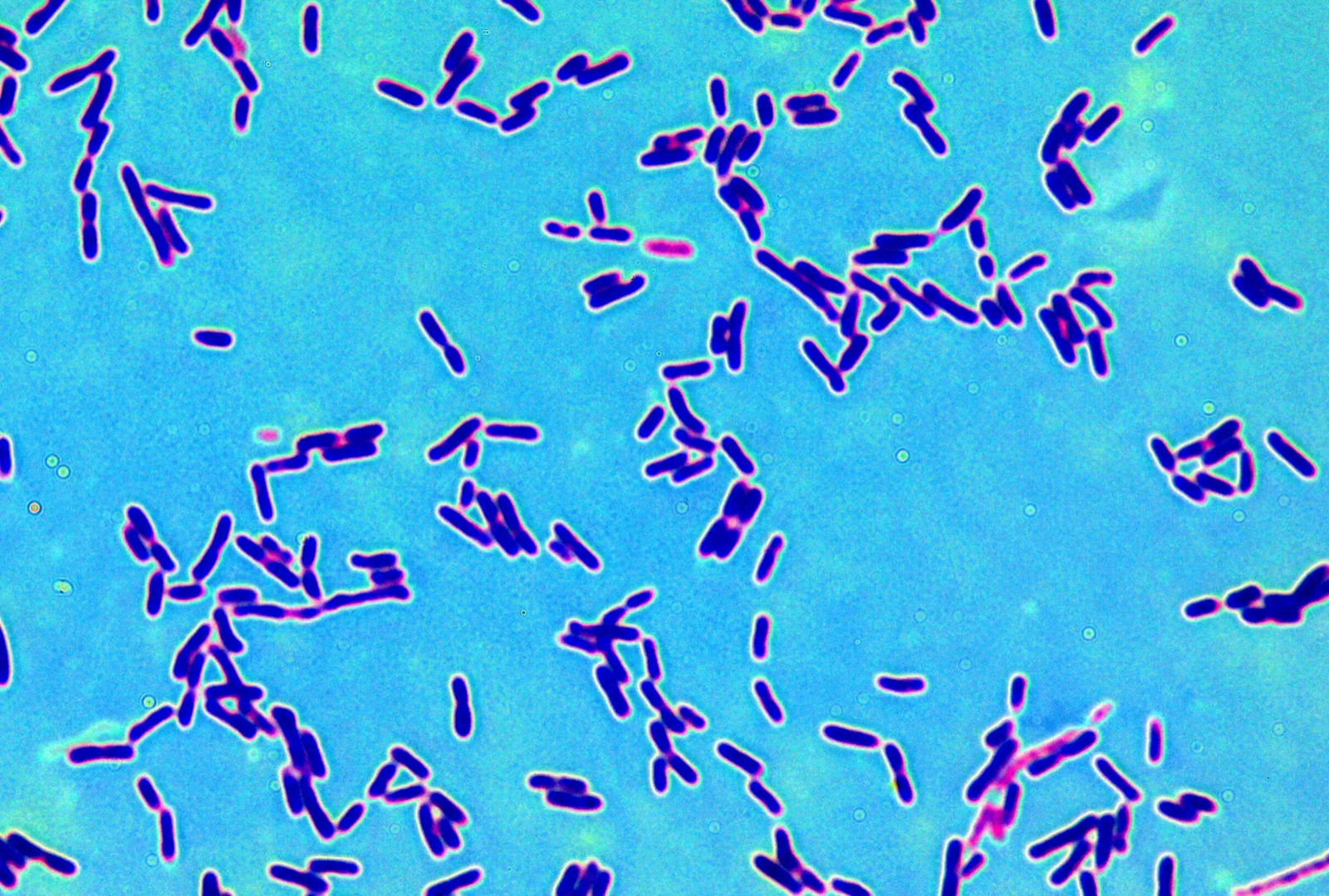
Streptococcus thermophilus
Freeze-dried Streptococcus thermophilus, one of the two defining yoghurt organisms, supplied as finished capsules to declared strain and CFU. Dairy-free fermentation media available on specification.
Specifications
| Organism | Streptococcus thermophilus, family Streptococcaceae; briefly classified as Streptococcus salivarius subsp. thermophilus in the 1980s and since restored to species rank |
| Strain designation | Declared to strain, not species alone, to buyer brief; identity confirmed by 16S rRNA or whole-genome sequencing and stated on the CoA |
| Cell type | Gram-positive, non-motile, non-spore-forming, catalase- and oxidase-negative facultative anaerobe; cocci in pairs and chains |
| Metabolism | Homofermentative; ferments lactose to the L(+) isomer of lactic acid. Expresses beta-galactosidase, hydrolysing lactose to glucose and galactose |
| Growth optimum | Approximately 37-45 C; classical yoghurt partner to Lactobacillus delbrueckii subsp. bulgaricus, which prefers 43-46 C |
| Genome | Compact chromosome of roughly 1.8 Mb, reflecting specialisation to the milk environment |
| Technological function | Rapid acidification in milk; many strains produce exopolysaccharides that build texture and body in fermented dairy and reduced-fat cheese |
| Potency, concentrate | Freeze-dried culture at 100-300 billion CFU per gram; frozen and dried concentrates available for dairy plant use |
| Potency, capsules | Label strengths from 1 to 50 billion CFU per capsule; manufacturing overage set so the declared count holds to end of shelf life |
| Moisture and water activity | Moisture 5% max. and water activity 0.25 max. typical; silica gel desiccant and a foil moisture barrier packed with the product |
| Allergen status - milk | Standard propagation uses milk-based medium and skim-milk cryoprotectant, so MILK is declarable under EU 1169/2011 Annex II and US FALCPA unless dairy-free media are specified |
| Other allergens | Soy peptone declared where a standard medium is used; soy-free media specifiable. No fish, crustacean, molluscan, egg, nut or gluten-containing material at any stage |
| Origin and dietary status | Vegetarian as standard, not vegan on dairy media; vegan builds require a dairy-free medium and an HPMC shell. Gelatin shells are bovine or porcine and declared as such |
| Regulatory and shelf life | FSSAI Schedule VII organism; EFSA QPS status reconfirmed unchanged in the 2025 update. 18-24 months at 2-8 C, shorter ambient. India ITC-HS 21069099 |
| HS code | 2106.90 (21069099) |
Applications
Available grades
Freeze-dried concentrate at 100-300 billion CFU per gram and finished capsules from 1 to 50 billion CFU; single strain or as part of a multi-strain blend, including the classical pairing with Lactobacillus delbrueckii subsp. bulgaricus; dairy-free and soy-free fermentation media for vegan-positioned lines; high-EPS strains for texture in fermented dairy; vegan HPMC or bovine/porcine gelatin shells; delayed-release capsules; non-GMO, kosher and halal on request.
Related products
Lactobacillus acidophilus
Freeze-dried Lactobacillus acidophilus culture in bulk for supplement and fermented-dairy manufacturers, standardised to 100-300 billion CFU/g with strain designation, allergen status and viable count certified per lot.
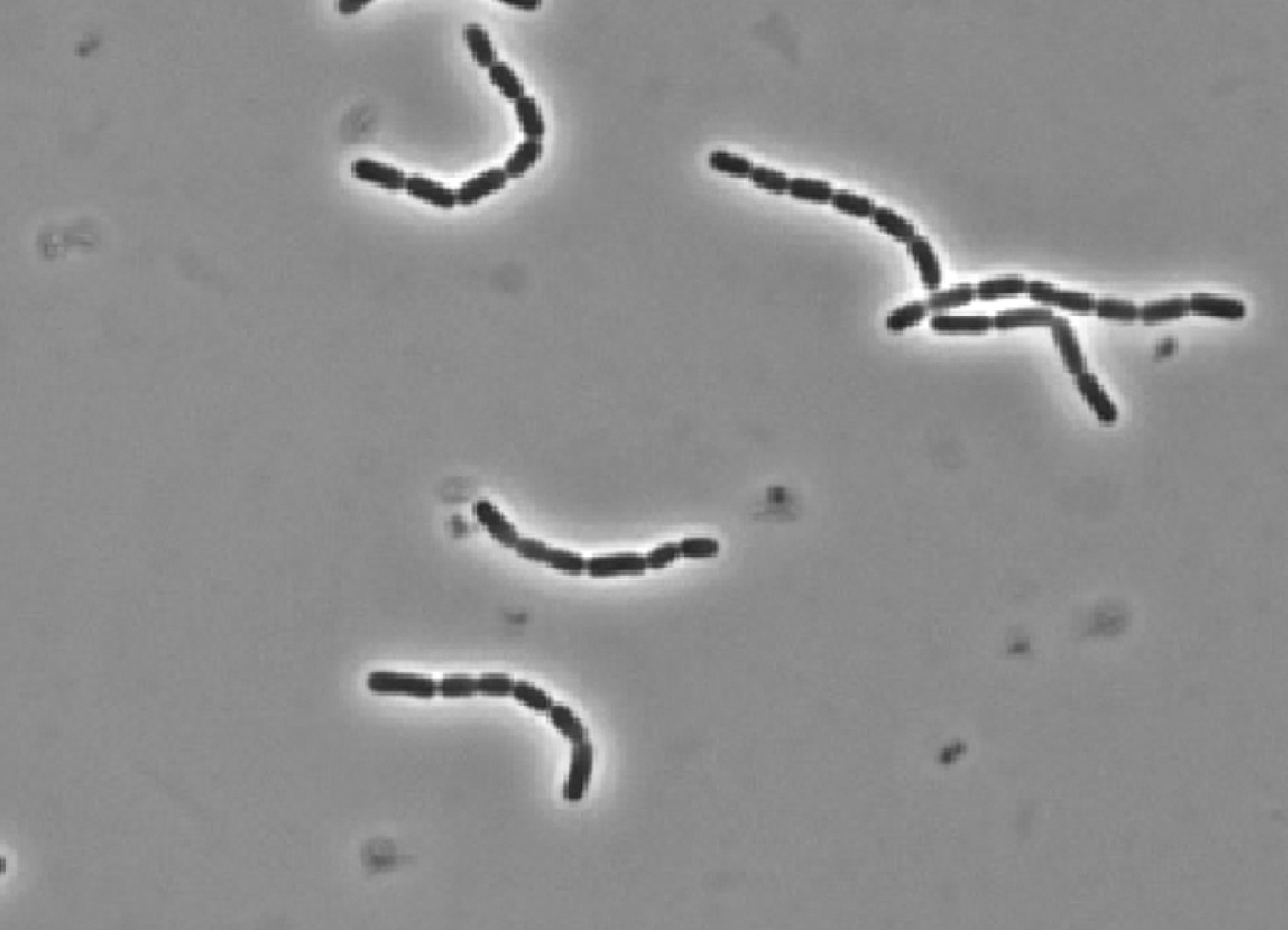
Lactobacillus rhamnosus
Freeze-dried Lacticaseibacillus rhamnosus culture in bulk, standardised to 100-300 billion CFU/g. Acid- and bile-tolerant species for capsules, sticks and dairy drinks, supplied with strain and allergen status per lot.
Lactobacillus plantarum
Freeze-dried Lactiplantibacillus plantarum culture in bulk, standardised to 100-300 billion CFU/g. A plant-ferment species suited to vegan formats, supplied with strain designation and allergen status per lot.