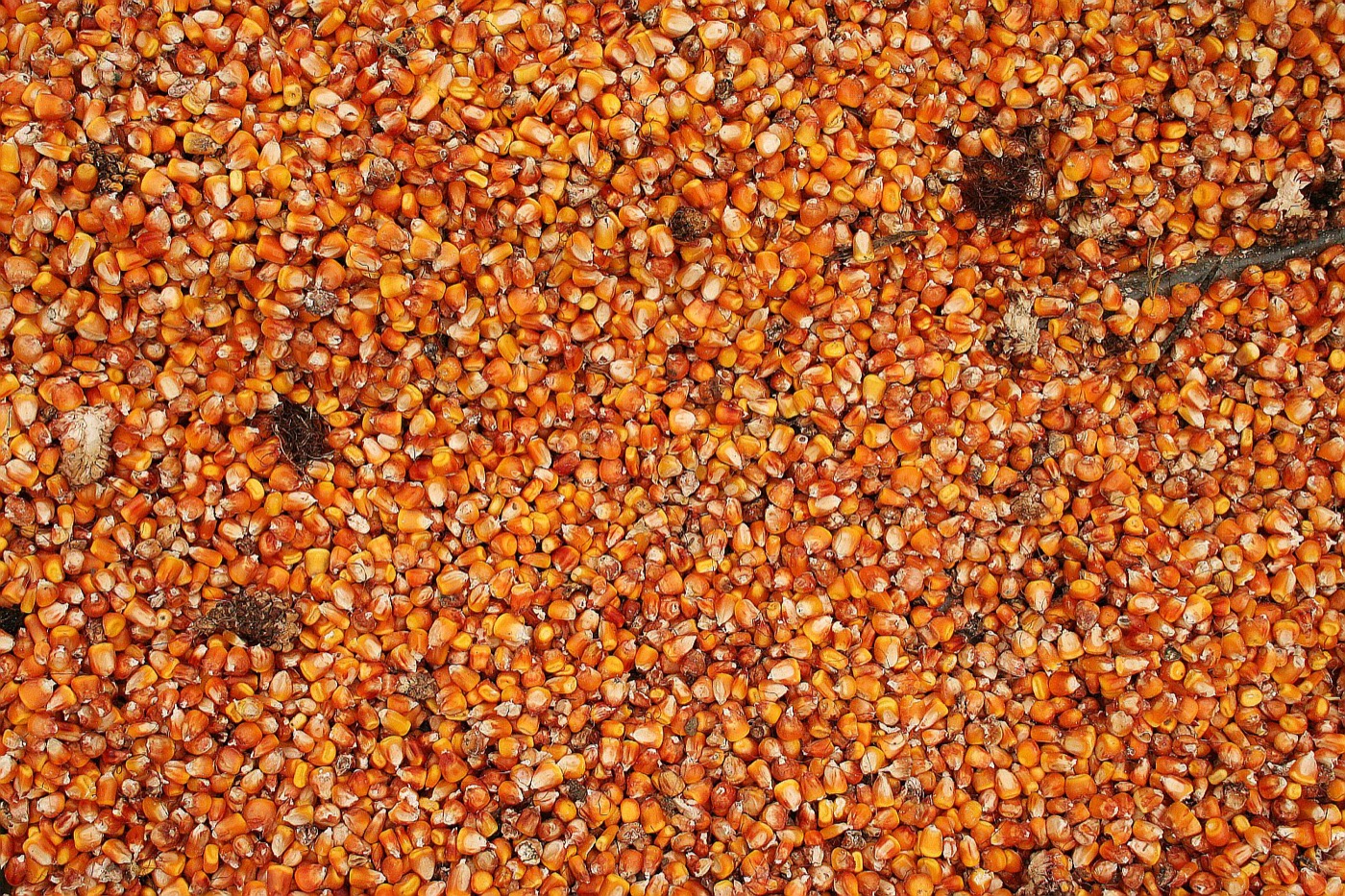
Resistant dextrin
Soluble non-digestible fibre made by acid-heat pyroconversion of maize, tapioca or wheat starch, then enzyme-treated and purified. 85% minimum fibre, near-neutral taste, very low viscosity.
Specifications
| Identity | Soluble non-digestible glucose polymer from pyroconverted starch. Also sold as resistant maltodextrin, indigestible dextrin, soluble corn fibre or soluble tapioca fibre |
| CAS number | 9004-53-9, the generic dextrin registry number; no separate number is assigned to the resistant fraction |
| Source starch | Maize (corn) as standard; tapioca and wheat routes available. The source starch fixes the allergen declaration and is stated on every CoA |
| Manufacturing route | Acid-catalysed dry-heat pyroconversion of starch, amylase and glucoamylase treatment, decolourisation, demineralisation, chromatographic enrichment, spray drying |
| Dietary fibre | 85% min. on dry basis by AOAC 2001.03; 90% min. high-purity grades available; syrup grades at roughly 70% fibre on solids |
| Appearance and solution | White to light yellow free-flowing powder with a near-neutral taste; a 10% solution is clear to pale yellow with no sediment |
| Solubility and viscosity | Very high water solubility, above 70 g/100 mL; viscosity stays low even at high solids, so clear drinks can be fortified without body or mouthfeel change |
| Moisture and pH | Moisture 5.0% max.; pH 4.0 to 6.0 measured on a 10% aqueous solution |
| Sweetness and energy | About one tenth the sweetness of sucrose; declared at 2 kcal/g as dietary fibre under EU Reg 1169/2011 Annex XIV |
| Process stability | Acid, retort-heat and freeze-thaw stable; low hygroscopicity so it resists caking in dry blends, unlike inulin and FOS in humid markets |
| Purity and microbiology | Lead, arsenic, cadmium and mercury to agreed limits; Salmonella and E. coli absent; total plate count, yeast and mould to the buyer's specification |
| Allergen and origin status | Maize and tapioca grades free of the 14 major allergens and gluten. WHEAT-derived grades must be declared as wheat even below 20 ppm gluten. Vegan and vegetarian |
| Regulatory position | FDA 2018 guidance permits declaration as dietary fibre; GRAS notices GRN 1045 (tapioca) and GRN 1133; a permitted prebiotic-type fibre ingredient in most export markets |
| HS code | 3505.10.90 (India ITC-HS 35051090), not the sheet's 21069099; subject to the reducing-sugar test in the classification note |
Applications
Available grades
Powder at 85% minimum dietary fibre and high-purity grades at 90% minimum; syrup at roughly 70% fibre on solids; maize (corn), tapioca and wheat starch routes, quoted and labelled separately because the allergen declaration differs; non-GMO identity-preserved maize and organic-certified maize and tapioca; agglomerated instant grade for cold-water dispersion in stick packs; kosher and halal certification on request.
Related products
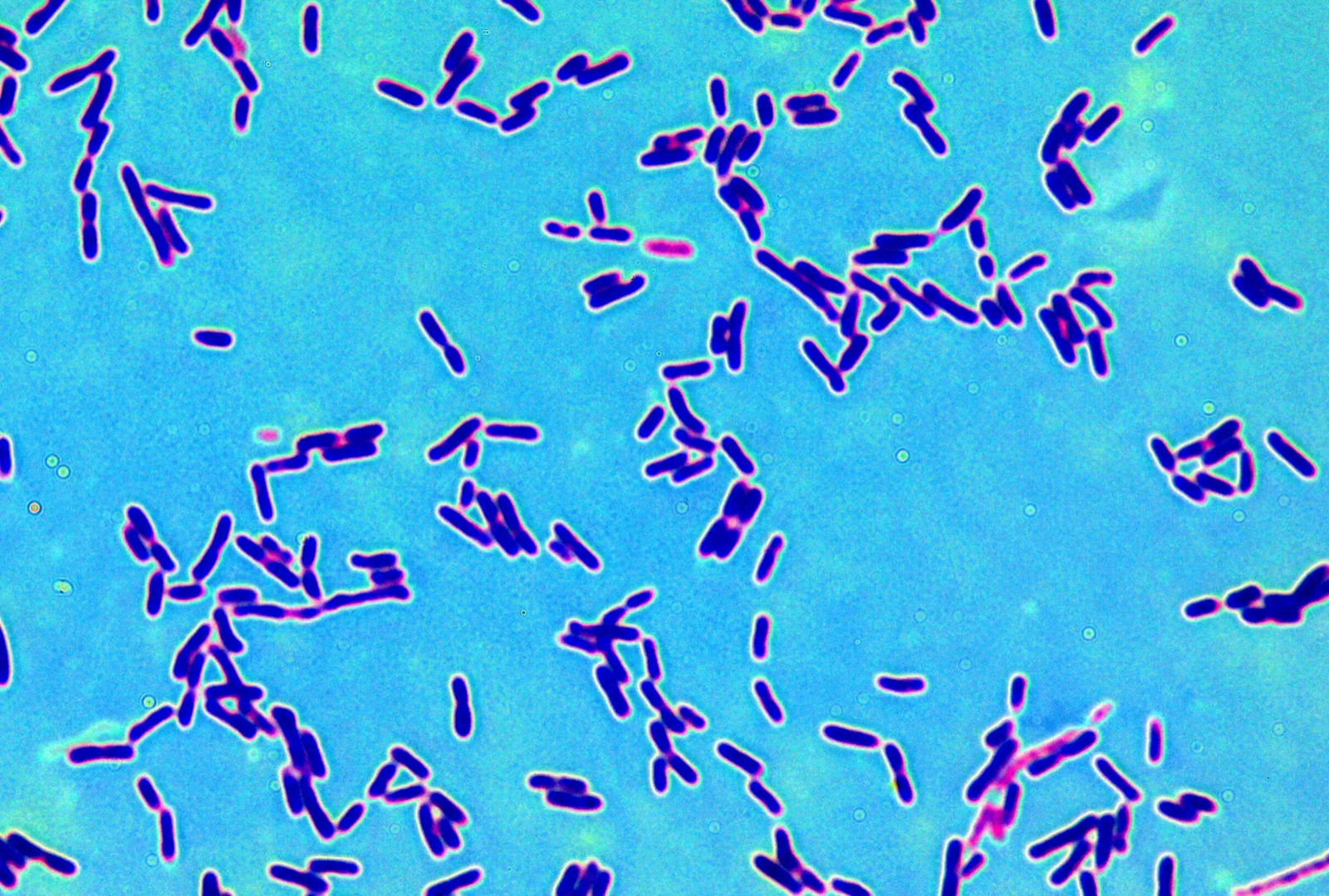
Lactobacillus acidophilus
Freeze-dried Lactobacillus acidophilus culture in bulk for supplement and fermented-dairy manufacturers, standardised to 100-300 billion CFU/g with strain designation, allergen status and viable count certified per lot.
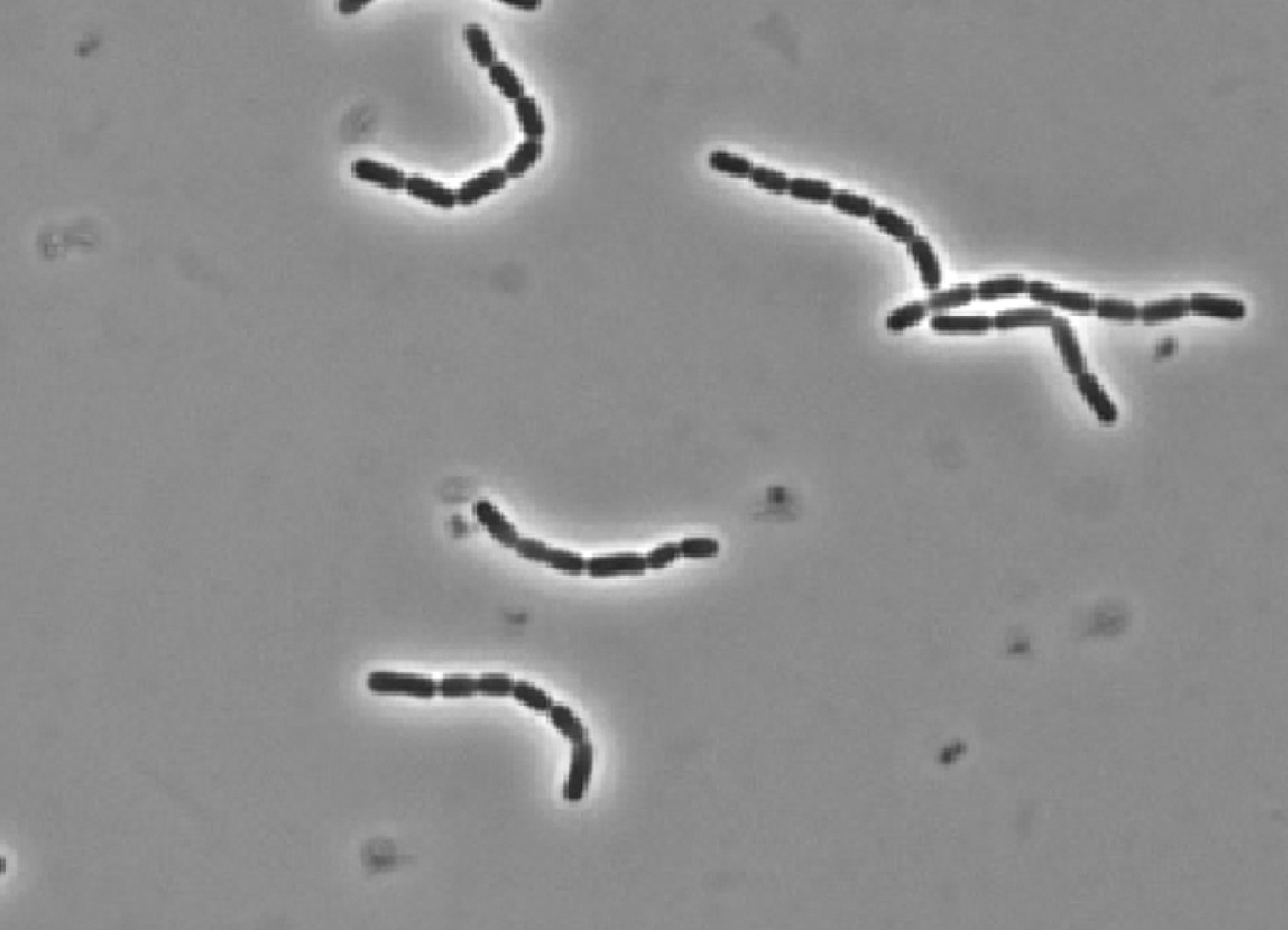
Lactobacillus rhamnosus
Freeze-dried Lacticaseibacillus rhamnosus culture in bulk, standardised to 100-300 billion CFU/g. Acid- and bile-tolerant species for capsules, sticks and dairy drinks, supplied with strain and allergen status per lot.
Lactobacillus plantarum
Freeze-dried Lactiplantibacillus plantarum culture in bulk, standardised to 100-300 billion CFU/g. A plant-ferment species suited to vegan formats, supplied with strain designation and allergen status per lot.