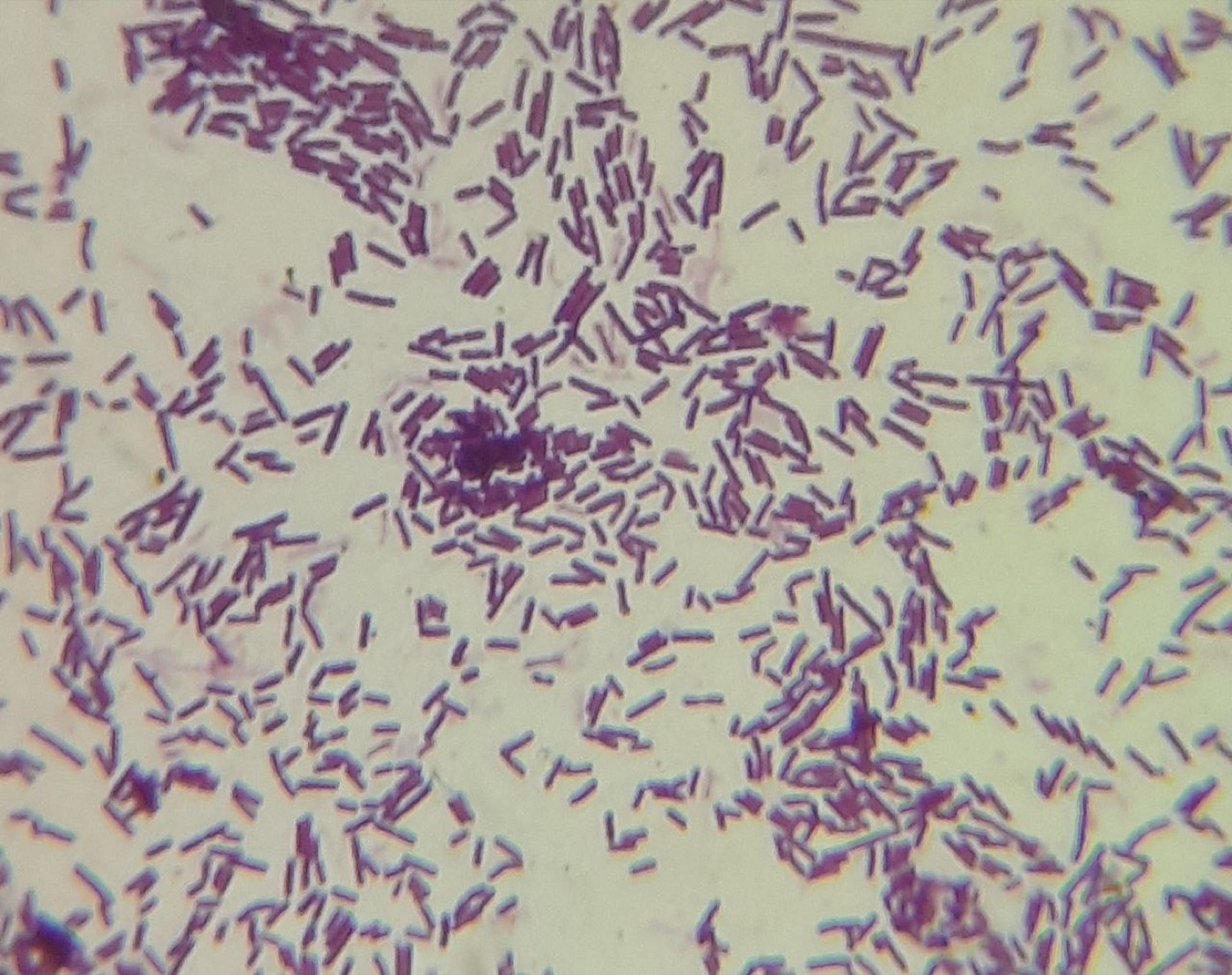
Probiotic Sachet (Infant)
Finished unit-dose probiotic sachet for the infant and young-child segment. Multi-strain blend built on FSSAI Schedule VII organisms, 1x10^9 CFU per sachet declared to end of shelf life.
Specifications
| Product type | Finished unit-dose powder sachet (stick pack); contract-manufactured or private-label finished form, not a bulk culture concentrate. |
| Default strain set | Limosilactobacillus reuteri DSM 17938; Bifidobacterium longum subsp. infantis; Bifidobacterium breve M-16V (BCCM/LMG 23729). |
| Alternative strains | Lacticaseibacillus rhamnosus GG (ATCC 53103); Bifidobacterium animalis subsp. lactis BB-12 (DSM 15954); Bacillus coagulans; Saccharomyces boulardii. |
| Declared viable count | 1x10^9 CFU per sachet at end of shelf life. FSSAI requires not less than 1x10^8 CFU in the recommended daily serving; other counts to buyer brief. |
| Overage | Cultures dosed above label claim at blending so the declared count is met at expiry, not only at manufacture. |
| Enumeration method | ISO 19344 | IDF 232 flow cytometry (AFU), cross-checked by colony count: ISO 29981 (bifidobacteria), ISO 20128 (L. acidophilus group). |
| Strain identity | Genotypic confirmation to strain level against an international culture collection deposit; non-GMO, as required by FSSAI Schedule VII. |
| Fill weight | 1.0 g or 1.5 g standard; 0.5 g to 3.0 g configurable. Carrier maize or rice maltodextrin; optional FOS (chicory) or GOS prebiotic. |
| Appearance and odour | Off-white to pale cream free-flowing powder; bland, near-neutral odour and taste; disperses in milk, formula or water. |
| Water activity | Not more than 0.15 in the finished blend; low water activity is the principal determinant of viable-count retention over shelf life. |
| Pathogens | Salmonella absent in 25 g; Cronobacter spp. absent in 10 g; Enterobacteriaceae absent in 10 g, mirroring criteria for dried infant formulae. |
| Allergens | Declare per build. Dairy-media strains and GOS prebiotic make the sachet milk-derived. Dairy-free build is gluten-free, soy-free, egg-, nut-, fish- and crustacean-free. |
| Origin and diet status | Microbial fermentation; no bovine, porcine or marine input. Vegetarian as standard; vegan only on dairy-free media with a non-GOS carrier. |
| Contaminants | To FSS (Contaminants, Toxins and Residues) Regulations, 2011; lead not more than 0.1 mg/kg general FSSAI limit. Per-lot certificate of analysis issued. |
| Shelf life and storage | 18 to 24 months from manufacture at 25 C or below and 60% RH or below, in unopened sachet. 2 to 8 C cold chain extends retained count. |
| HS code | 2106 90 99 (India ITC-HS), as a finished food preparation put up as a supplement. |
Applications
Available grades
Supplied as a private-label or contract-manufactured finished sachet, configured to the buyer brief. Options cover strain set (single strain, two-strain or multi-strain), declared CFU per sachet, fill weight, carrier system (maize maltodextrin, rice maltodextrin or prebiotic-loaded), and synbiotic build with FOS or GOS. Two allergen builds are offered: a dairy-free vegan build on non-dairy fermentation media with a maize or rice carrier, and a conventional build where dairy-media strains or GOS prebiotic are specified and milk is declared. Unflavoured is standard for the infant format. Cold-chain and ambient-stable specifications are quoted separately, as they carry different overage and shelf-life commitments.
Related products
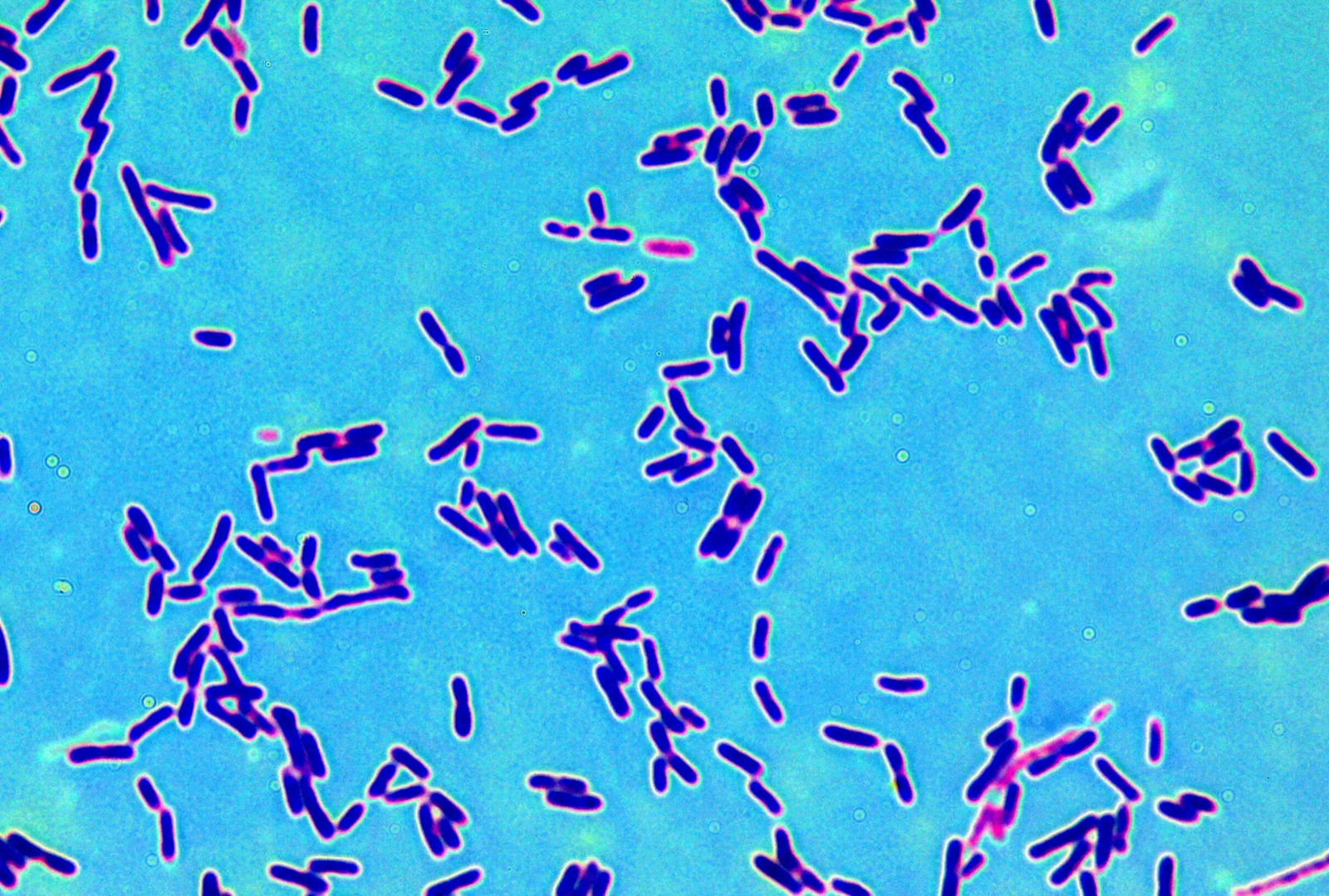
Lactobacillus acidophilus
Freeze-dried Lactobacillus acidophilus culture in bulk for supplement and fermented-dairy manufacturers, standardised to 100-300 billion CFU/g with strain designation, allergen status and viable count certified per lot.
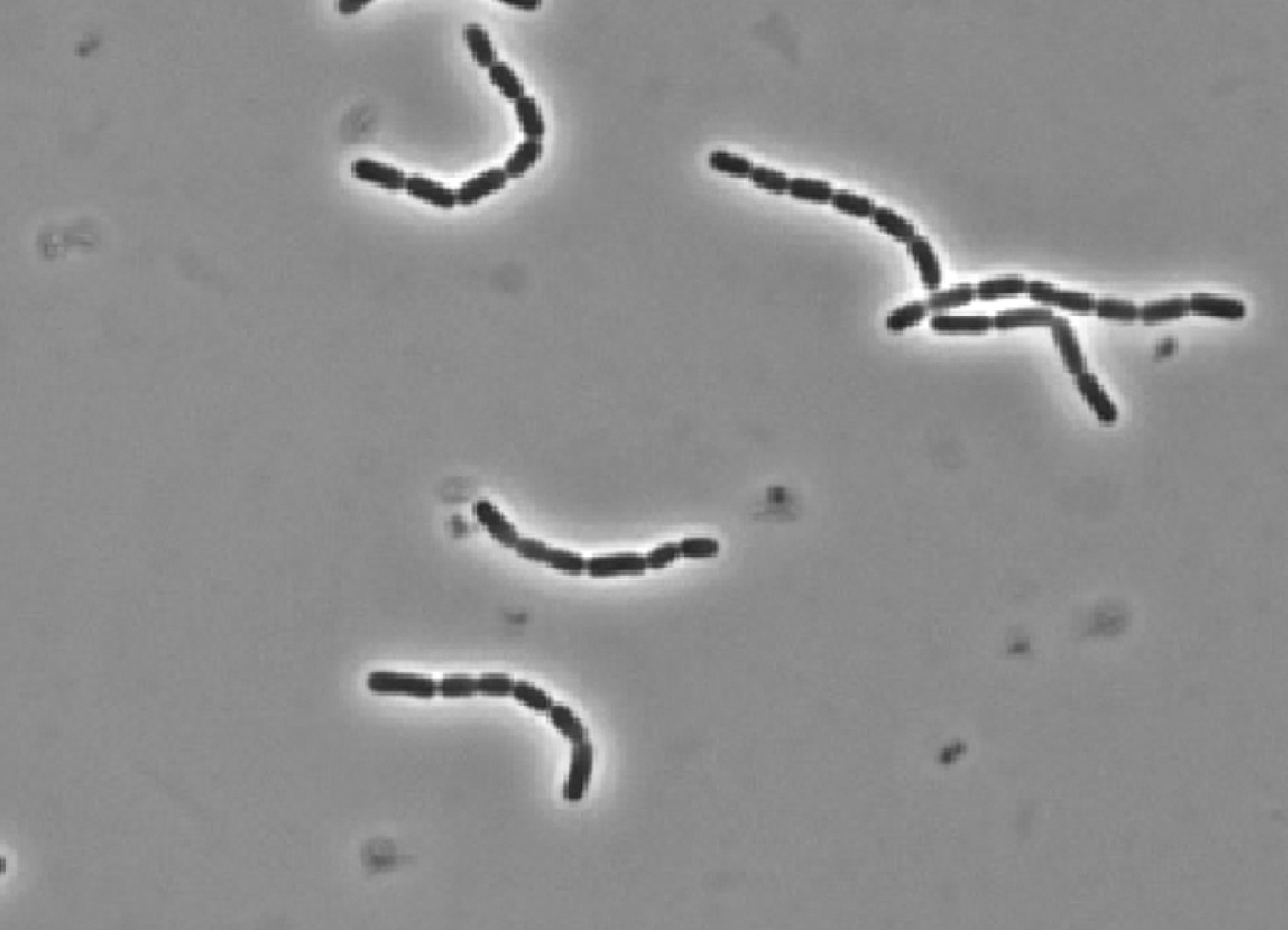
Lactobacillus rhamnosus
Freeze-dried Lacticaseibacillus rhamnosus culture in bulk, standardised to 100-300 billion CFU/g. Acid- and bile-tolerant species for capsules, sticks and dairy drinks, supplied with strain and allergen status per lot.
Lactobacillus plantarum
Freeze-dried Lactiplantibacillus plantarum culture in bulk, standardised to 100-300 billion CFU/g. A plant-ferment species suited to vegan formats, supplied with strain designation and allergen status per lot.