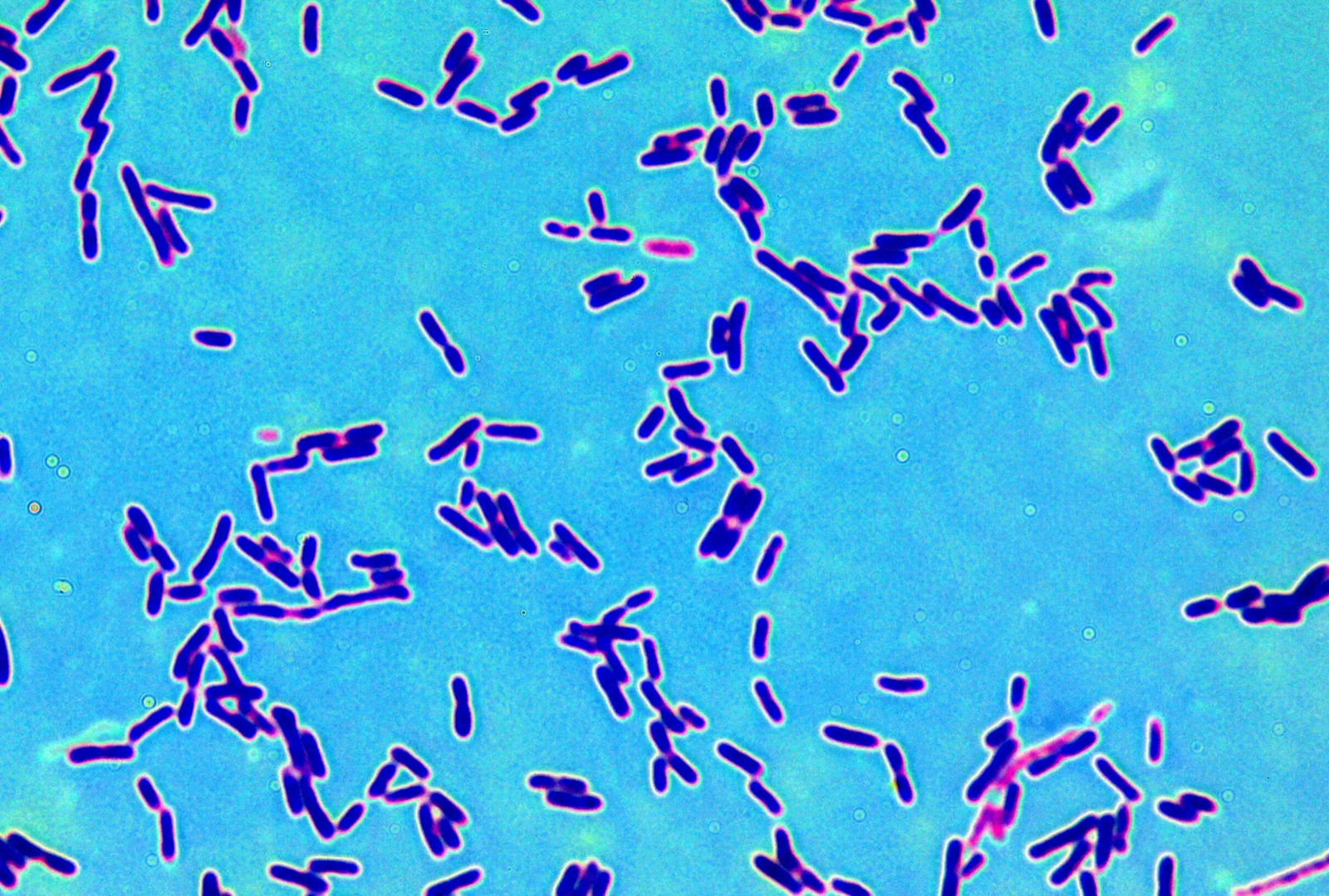
Probiotic + Prebiotic (Synbiotic)
A finished synbiotic in capsule or stick-sachet form: live, strain-identified cultures delivered with a prebiotic substrate such as chicory inulin, FOS or GOS, built to the buyer's own strain list and CFU.
Specifications
| Product type | Finished-dosage synbiotic: live micro-organisms plus substrate(s) selectively utilised by host micro-organisms, per the ISAPP 2020 consensus definition |
| Design route | Complementary (independently evidenced probiotic plus prebiotic) or synergistic (substrate selected specifically for the co-delivered strain) |
| Probiotic fraction | Strains from FSSAI Schedule VII: Lactobacillus and its successor genera, Bifidobacterium, Streptococcus thermophilus, Bacillus coagulans, Saccharomyces boulardii |
| Strain identification | Declared to strain designation, not species alone; identity confirmed by 16S rRNA or whole-genome sequencing and stated on the CoA |
| Potency | Minimum 10^8 CFU in the recommended daily serving per FSSAI; label CFU held to end of shelf life by manufacturing overage |
| Prebiotic fraction | Chicory inulin, fructo-oligosaccharides, galacto-oligosaccharides or xylo-oligosaccharides; adult prebiotic intake capped at 40 g per 2000 kcal per day |
| Dosage forms | Size 0 or 1 HPMC and gelatin capsules, delayed-release capsules for acid protection, 1-3 g stick sachets, or unfilled bulk blend |
| Appearance and dispersibility | Free-flowing off-white to cream powder blend; sachet grades disperse in cool water or juice without heating, which protects viability |
| Moisture control | Blend held at low water activity and packed with desiccant in a foil laminate; moisture ingress is the principal driver of CFU loss |
| Purity limits | Heavy metals, pesticide residues, Salmonella, E. coli, S. aureus, yeast and mould tested every lot against the buyer's agreed limits |
| Allergen status | Formulation-specific: dairy- or soy-based fermentation media can leave residual milk or soy protein. Dairy-free and soy-free media on request |
| Origin status | Vegan with HPMC shells and dairy-free media; gelatin shells are bovine or porcine. No fish, crustacean, egg or nut input at any stage |
| Shelf life and storage | 18-24 months typical at 25 C or below in intact moisture-barrier packaging; 2-8 C storage extends viable count retention |
| HS code | 2106.90.99 (India ITC-HS 21069099) as a finished food supplement preparation; see classification note |
Applications
Available grades
Complementary and synergistic formats; single-strain through 16-strain blends; vegetarian HPMC or bovine/porcine gelatin capsule shells; delayed-release capsules for acid protection; spore-forming Bacillus coagulans builds for ambient-stable and heat-processed applications; dairy-free and soy-free fermentation media; organic-compliant and non-GMO builds; label strengths from 1 to 100 billion CFU per dose.
Related products
Lactobacillus acidophilus
Freeze-dried Lactobacillus acidophilus culture in bulk for supplement and fermented-dairy manufacturers, standardised to 100-300 billion CFU/g with strain designation, allergen status and viable count certified per lot.
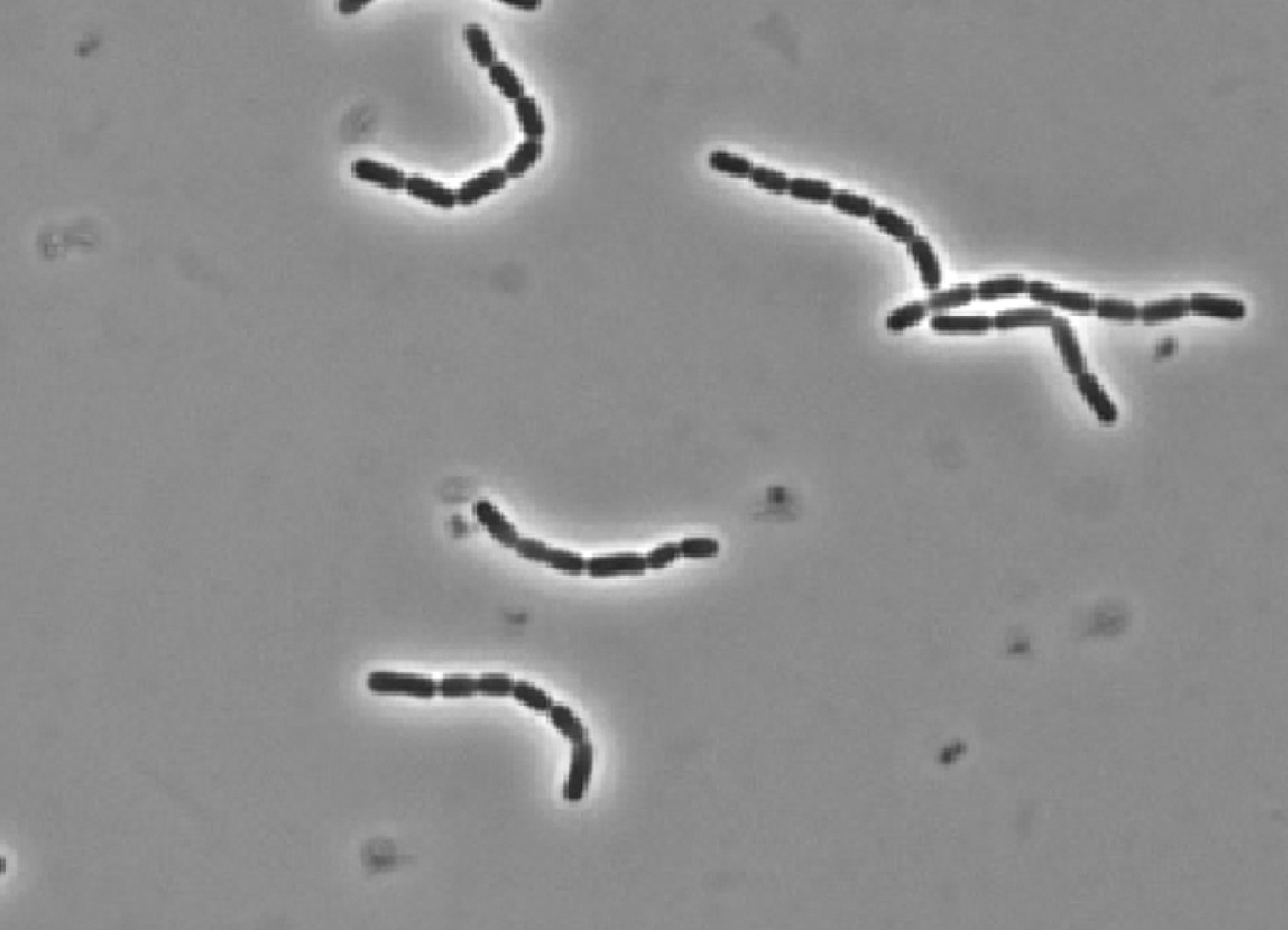
Lactobacillus rhamnosus
Freeze-dried Lacticaseibacillus rhamnosus culture in bulk, standardised to 100-300 billion CFU/g. Acid- and bile-tolerant species for capsules, sticks and dairy drinks, supplied with strain and allergen status per lot.
Lactobacillus plantarum
Freeze-dried Lactiplantibacillus plantarum culture in bulk, standardised to 100-300 billion CFU/g. A plant-ferment species suited to vegan formats, supplied with strain designation and allergen status per lot.