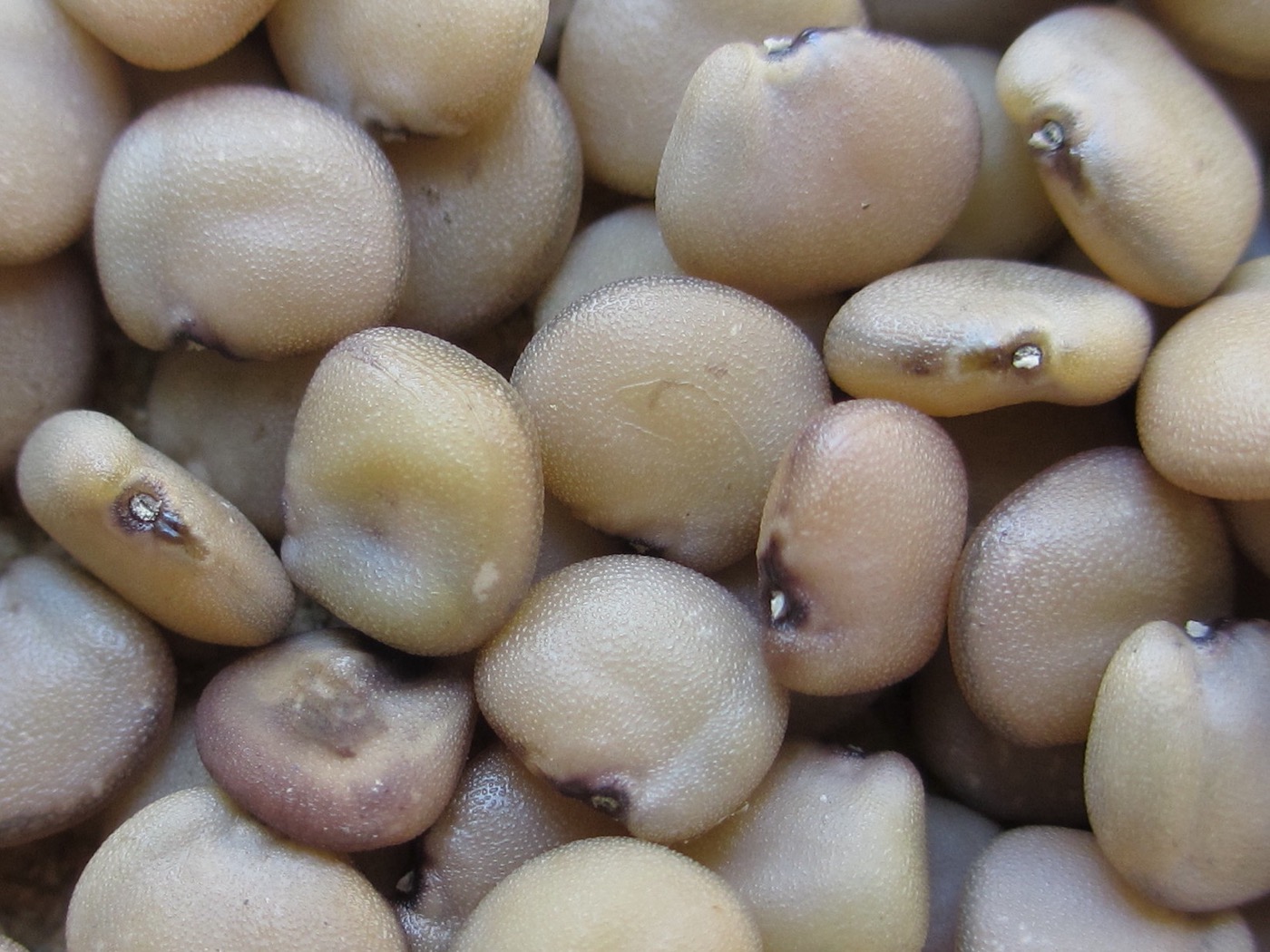
Partially Hydrolysed Guar Gum (PHGG)
Enzymatically depolymerised guar galactomannan: a cold-water-soluble prebiotic fibre powder that dissolves clear at low viscosity, so fibre can be dosed at useful levels without thickening the matrix.
Specifications
| Botanical source | Cyamopsis tetragonoloba (L.) Taub., family Fabaceae; guar bean endosperm, predominantly Indian-grown |
| Chemical identity | Galactomannan: beta-1,4-linked D-mannose backbone with alpha-1,6-linked D-galactose on about every second mannose; mannose:galactose near 2:1 |
| CAS number | 9000-30-0, carried over from guar gum (additive E 412); partial hydrolysis does not create a separate CAS entry for PHGG |
| Manufacture | Controlled partial enzymatic hydrolysis of guar galactomannan using endo-beta-D-mannanase from Aspergillus niger, followed by purification and spray drying |
| Dietary fibre | 75% min. on dry basis (standard grade); 85% min. high-fibre grade. Method must be stated: AOAC 985.29 and AOAC 2001.03 give different figures on the same lot |
| Molecular weight | Approx. 20,000 Da average, typically in the 15,000-40,000 Da range, against 200,000-300,000 Da for native guar gum |
| Viscosity | Low: typically under 12-30 mPa.s (cP) at 5% w/w and 25 C depending on grade, against several thousand for native guar gum at equal solids |
| Appearance and solubility | White to pale cream free-flowing powder, near-neutral in odour and taste; fully soluble in cold or hot water giving a clear to slightly hazy solution |
| Process stability | Not hydrolysed by human digestive enzymes; stable to heat, shear and acid across approximately pH 2-10, including retort, acidified and baked applications |
| Typical purity limits | Loss on drying 7.0% max.; ash 5.0% max.; pH of 1% solution 5.0-7.0; lead 1 mg/kg max.; arsenic 1 mg/kg max. Confirm against the agreed specification |
| Microbiology | Total plate count 5,000 cfu/g max.; yeast and mould 100 cfu/g max.; E. coli, coliforms and Salmonella absent in the tested portion |
| Allergen status | Not listed in EU Regulation 1169/2011 Annex II or under US FALCPA/FASTER. Guar is a legume but is neither soy nor peanut. Gluten-free, dairy-free, egg-free, nut-free |
| Origin and dietary status | Plant-derived; vegan and vegetarian. No bovine, porcine, fish, crustacean, molluscan or other marine input. Halal and kosher certification available |
| Shelf life | 24 months from manufacture in unopened original packaging below 25 C and 60% RH. |
| HS code | 13023230 |
Applications
Available grades
Standard grade at 75% minimum dietary fibre and high-fibre grade at 85% minimum; low-viscosity beverage grade under 12 mPa.s at 5%; general-purpose grade under 30 mPa.s; agglomerated or instant grade for cold-water dispersion without lumping; low-microbial grade for clinical and infant-adjacent nutrition; organic-certified (NPOP, NOP, EU) and non-GMO builds; kosher and halal certification on request.
Related products
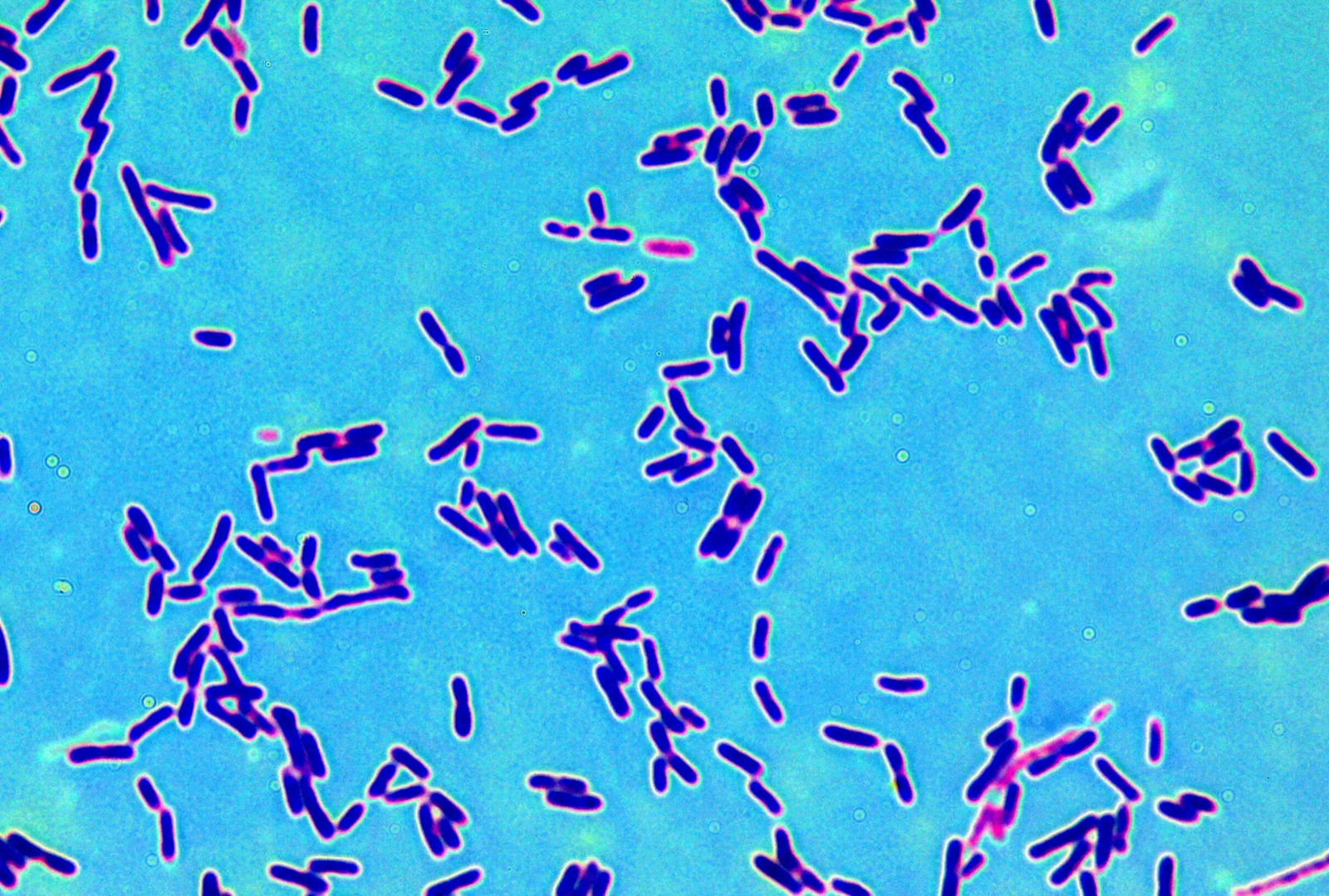
Lactobacillus acidophilus
Freeze-dried Lactobacillus acidophilus culture in bulk for supplement and fermented-dairy manufacturers, standardised to 100-300 billion CFU/g with strain designation, allergen status and viable count certified per lot.
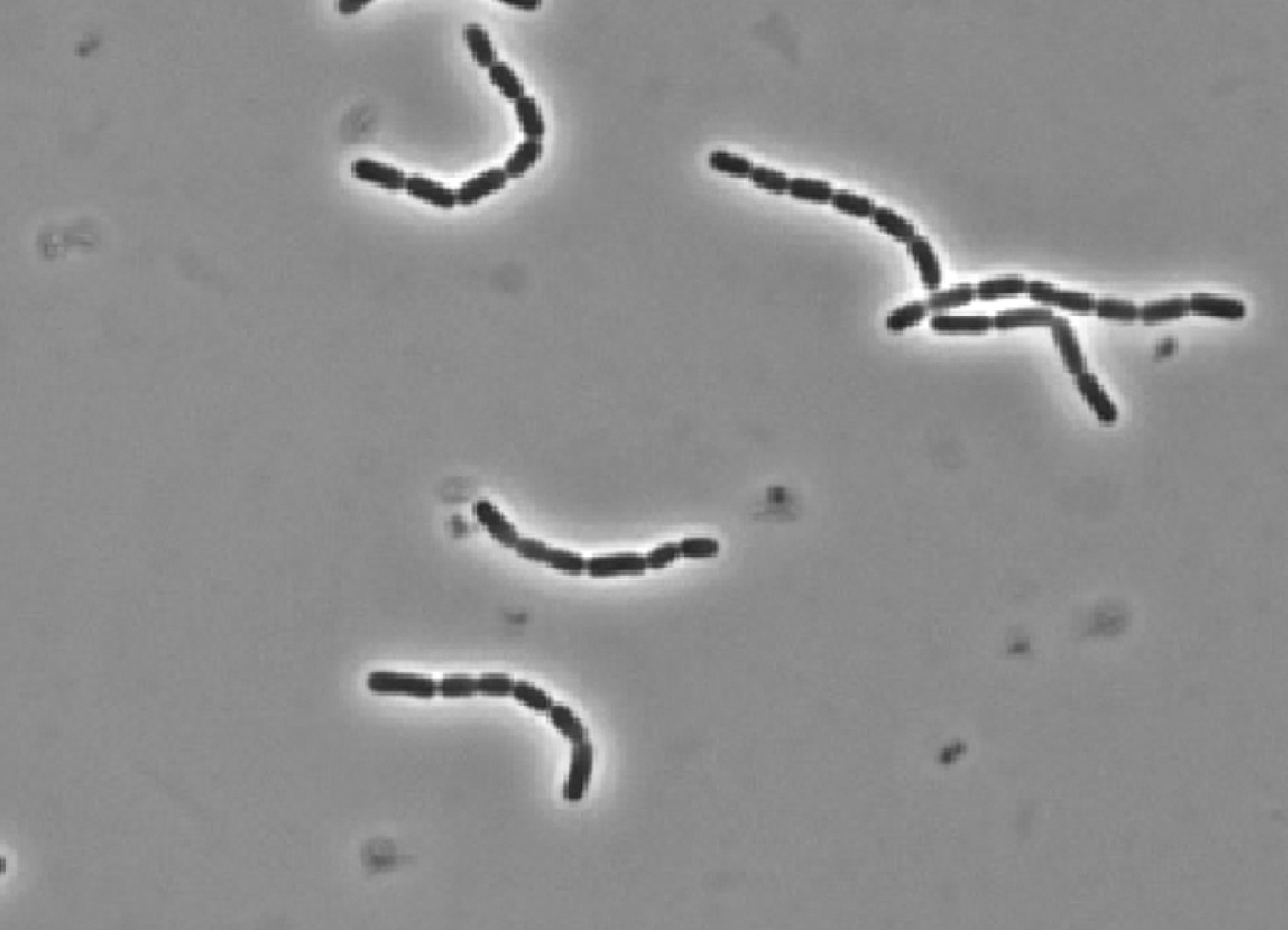
Lactobacillus rhamnosus
Freeze-dried Lacticaseibacillus rhamnosus culture in bulk, standardised to 100-300 billion CFU/g. Acid- and bile-tolerant species for capsules, sticks and dairy drinks, supplied with strain and allergen status per lot.
Lactobacillus plantarum
Freeze-dried Lactiplantibacillus plantarum culture in bulk, standardised to 100-300 billion CFU/g. A plant-ferment species suited to vegan formats, supplied with strain designation and allergen status per lot.