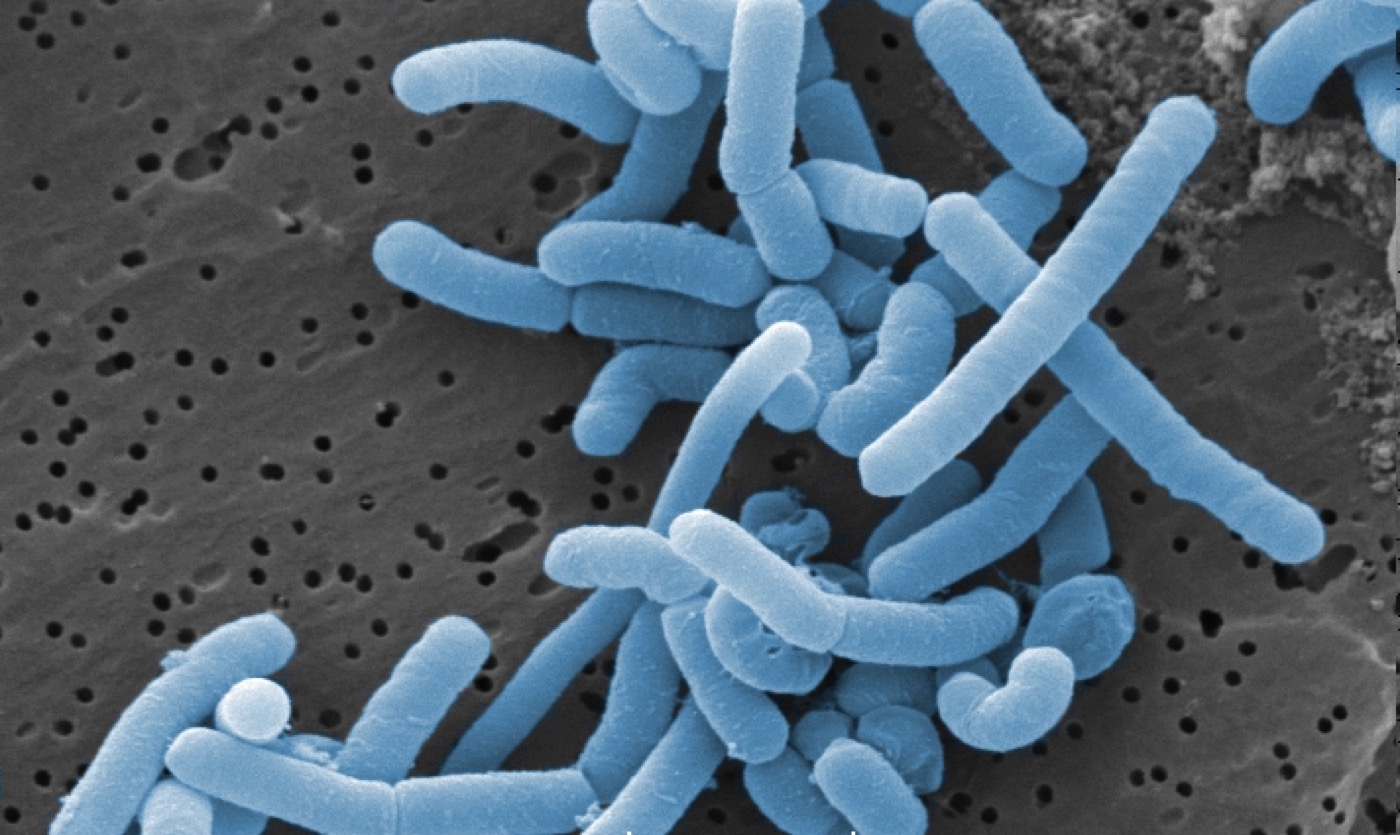
Multi-Strain Probiotic Blend
Live-culture blends built to the buyer's strain list — Lactobacillaceae, Bifidobacterium and spore-forming Bacillus — assayed to a declared CFU and supplied as bulk powder, HPMC capsules or single-dose sachets.
Specifications
| Product type | Blend of live micro-organism cultures. Supplied as bulk blended powder, or filled into capsules, single-dose sachets and stick-packs. Not a single defined chemical. |
| Genera used | Lactobacillus, Lacticaseibacillus, Lactiplantibacillus, Limosilactobacillus, Ligilactobacillus, Bifidobacterium, Streptococcus thermophilus, Bacillus coagulans. |
| Strain identification | Every strain named to genus, species and strain against a public culture-collection accession (MTCC, ATCC, DSM, NCIMB or CNCM), with genomic identity data on file. |
| Nomenclature basis | Zheng et al. 2020 reclassification of Lactobacillaceae; former Lactobacillus split into Lactobacillus plus 23 new genera. Old and new names both shown on documents. |
| Potency (assay) | Declared CFU per capsule, per sachet or per gram to the buyer's specification. Overage set at blending so the label claim is met at end of shelf life, not only at release. |
| Enumeration method | Selective plate count each lot: ISO 29981 for bifidobacteria, ISO 7889 (IDF 117) principles for lactobacilli. Flow-cytometric AFU per ISO 19344 available on request. |
| Appearance and solubility | Free-flowing off-white to light cream or tan powder, faint fermented odour. Disperses in cold or ambient water, juice and dairy bases; hot liquid cuts viable count. |
| Water activity | Dry blend held to aw 0.25 or below. Survival of dried cells falls once aw rises much above 0.25, so foil-laminate packing with desiccant is standard on all grades. |
| Microbiological limits | Salmonella absent/25 g; E. coli absent/g; S. aureus absent/g; coliforms and yeast/mould to agreed limits. Declared probiotic strains excluded from contaminant counts. |
| Heavy metals | Lead, arsenic, cadmium and mercury within FSSAI limits and USP <2232> elemental contaminant limits for dietary supplements. ICP-MS result on every certificate. |
| Strain safety screening | Non-GMO. Screened for acquired transferable antimicrobial-resistance genes; MICs read against EFSA FEEDAP species cut-offs where the species holds EFSA QPS status. |
| Allergen declaration | Declared per lot. Dairy-peptone media grades declare milk; soy or pea peptone grades declare soy. Dairy-free and soy-free grades available. No egg, fish or crustacean. |
| Origin and diet status | Microbial origin. No bovine, porcine or marine input. Vegetarian as standard; vegan on plant-peptone media with HPMC shells. Gelatin shells only on written request. |
| Shelf life, storage | 18-24 months per blend, sealed foil laminate with desiccant, below 25 C and low humidity; 2-8 C for Bifidobacterium-rich builds. |
| HS code | 2106 90 99 (finished form) |
Applications
Available grades
Standard vegetarian grade on conventional media; dairy-free and soy-free vegan grade on plant peptone; spore-forming Bacillus coagulans grade for heat-processed and shelf-stable formats; Bifidobacterium-forward grade with cold-chain handling; synbiotic grade pre-blended with inulin or FOS. Custom strain lists and CFU targets built to the buyer's specification. Halal, Kosher and organic-certified builds available on request.
Related products
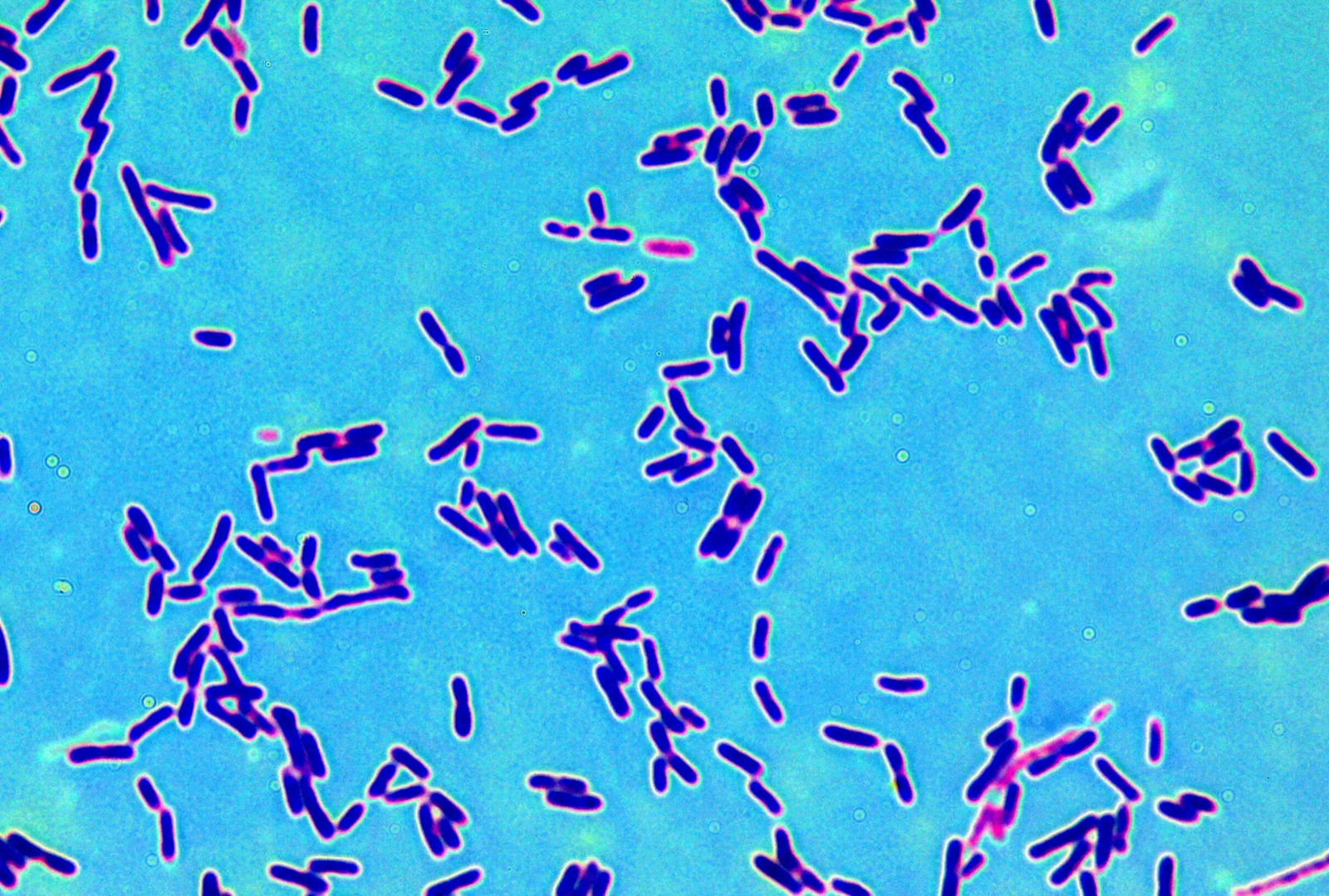
Lactobacillus acidophilus
Freeze-dried Lactobacillus acidophilus culture in bulk for supplement and fermented-dairy manufacturers, standardised to 100-300 billion CFU/g with strain designation, allergen status and viable count certified per lot.
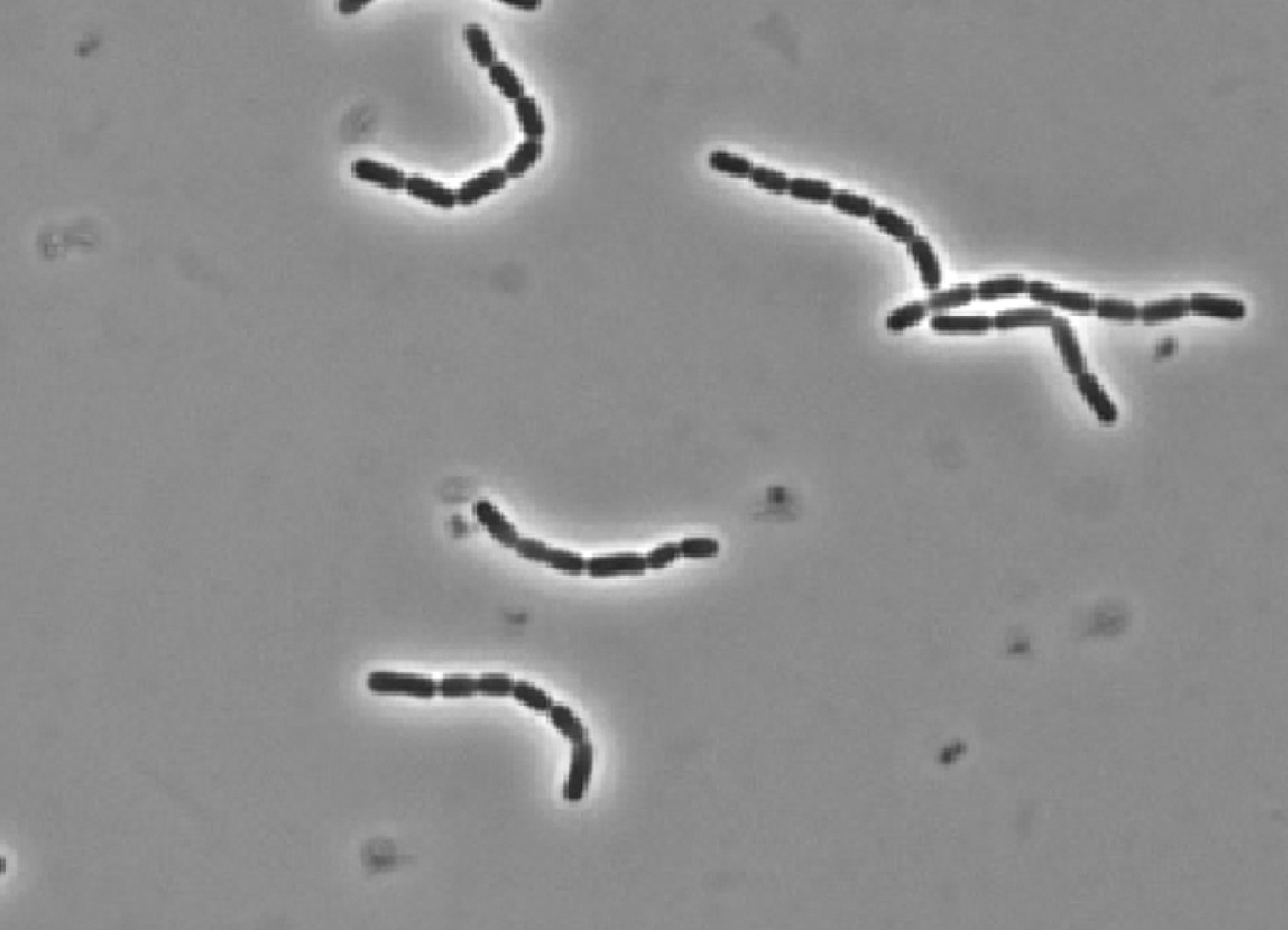
Lactobacillus rhamnosus
Freeze-dried Lacticaseibacillus rhamnosus culture in bulk, standardised to 100-300 billion CFU/g. Acid- and bile-tolerant species for capsules, sticks and dairy drinks, supplied with strain and allergen status per lot.
Lactobacillus plantarum
Freeze-dried Lactiplantibacillus plantarum culture in bulk, standardised to 100-300 billion CFU/g. A plant-ferment species suited to vegan formats, supplied with strain designation and allergen status per lot.