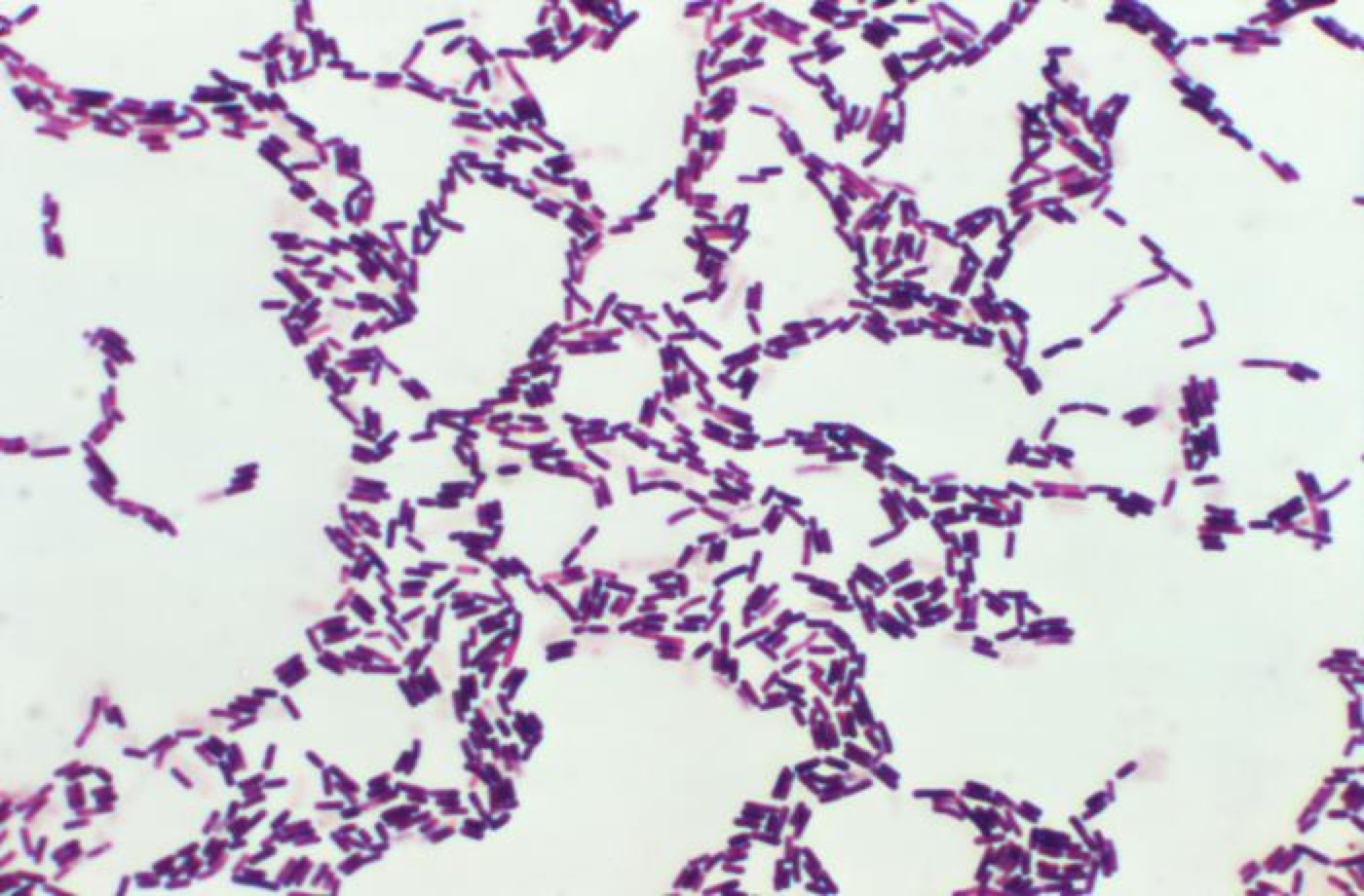
Lactobacillus sporogenes (Bacillus coagulans)
The organism sold as Lactobacillus sporogenes is Bacillus coagulans, a spore-former. Supplied as finished capsules at 1-15 billion CFU, ambient stable, strain declared and CFU held to shelf life.
Specifications
| Correct name | Bacillus coagulans Hammer 1915. 'Lactobacillus sporogenes' has no standing in bacterial nomenclature and was never on the 1980 Approved Lists of Bacterial Names |
| Accepted synonyms | Weizmannia coagulans (Gupta et al., 2020) and Heyndrickxia coagulans (Narsing Rao et al., 2023); EFSA's 2026 QPS update retains Bacillus coagulans as the correct name |
| Strain designation | Declared to strain, not species: MTCC 5856, SNZ 1969, Unique IS-2, LBSC or GBI-30 6086 to buyer brief; identity by 16S rRNA or whole-genome sequencing |
| Cell type | Gram-positive, spore-forming, facultatively anaerobic rod, supplied as dormant endospores rather than vegetative cells |
| Metabolism | Homofermentative; ferments carbohydrate to the L(+) optical isomer of lactic acid |
| Potency, capsules | Label strengths from 1 to 15 billion CFU per capsule; manufacturing overage set so the declared count holds to end of shelf life |
| Potency, bulk concentrate | 6, 15 or 100 billion spores per gram; supplied for buyers filling on their own line |
| Process stability | Spores tolerate gastric acid and processing heat. Strain MTCC 5856 retained 98.5% viability at 72 C pasteurisation in milk and juice and 73% through microwave cooking |
| Capsule shell | HPMC size 0 or 1 for a vegan and vegetarian product, or gelatin (bovine or porcine, declared at order); delayed-release shells available |
| Typical excipients | Microcrystalline cellulose, maize maltodextrin and vegetable-source magnesium stearate; full excipient list fixed at order stage and printed on the CoA |
| Moisture and water activity | Moisture 5% max. and water activity 0.25 max. typical; silica gel desiccant packed with the product to hold viable count |
| Allergen status | Set by the fermentation medium, not the organism. Dairy-free and soy-free media specifiable; otherwise milk or soy declared. No fish, crustacean, egg, nut or gluten input |
| Origin and dietary status | Vegan with an HPMC shell on dairy-free, soy-free medium; vegetarian otherwise; bovine or porcine only where a gelatin shell is chosen. Halal and kosher on request |
| Regulatory and shelf life | FSSAI Schedule VII organism; EFSA QPS listed; strain-level US GRAS notices exist (e.g. GRN 601). 24 months ambient below 25 C. India ITC-HS 21069099 |
| HS code | 2106.90 (21069099) |
Applications
Available grades
Label strengths from 1 to 15 billion CFU per capsule and bulk concentrate at 6, 15 or 100 billion spores per gram; single strain or as part of a multi-strain blend; vegan HPMC or bovine/porcine gelatin shells; delayed-release capsules for acid protection; dairy-free and soy-free fermentation media; organic-compliant and non-GMO builds; kosher and halal certification on request.
Related products
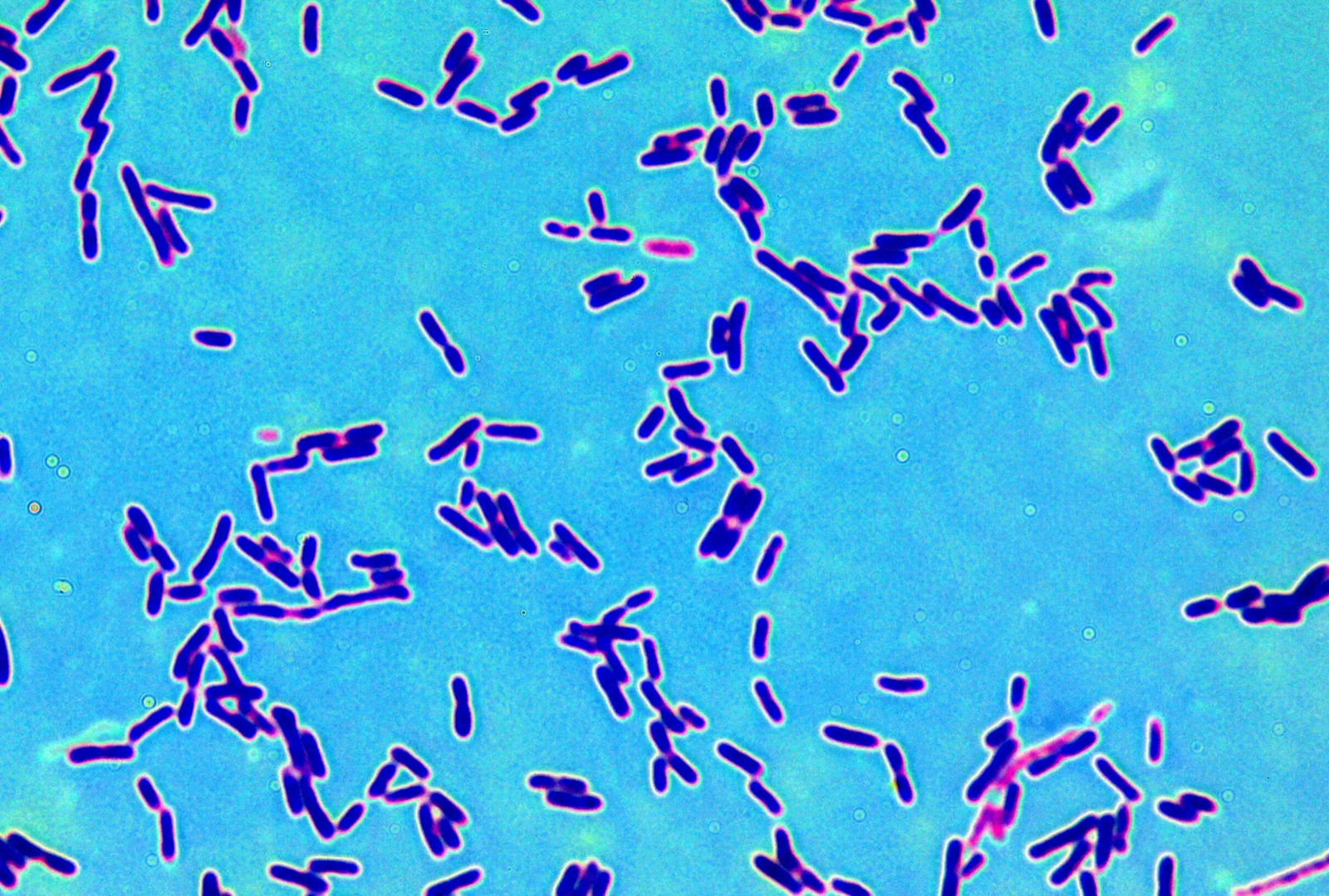
Lactobacillus acidophilus
Freeze-dried Lactobacillus acidophilus culture in bulk for supplement and fermented-dairy manufacturers, standardised to 100-300 billion CFU/g with strain designation, allergen status and viable count certified per lot.
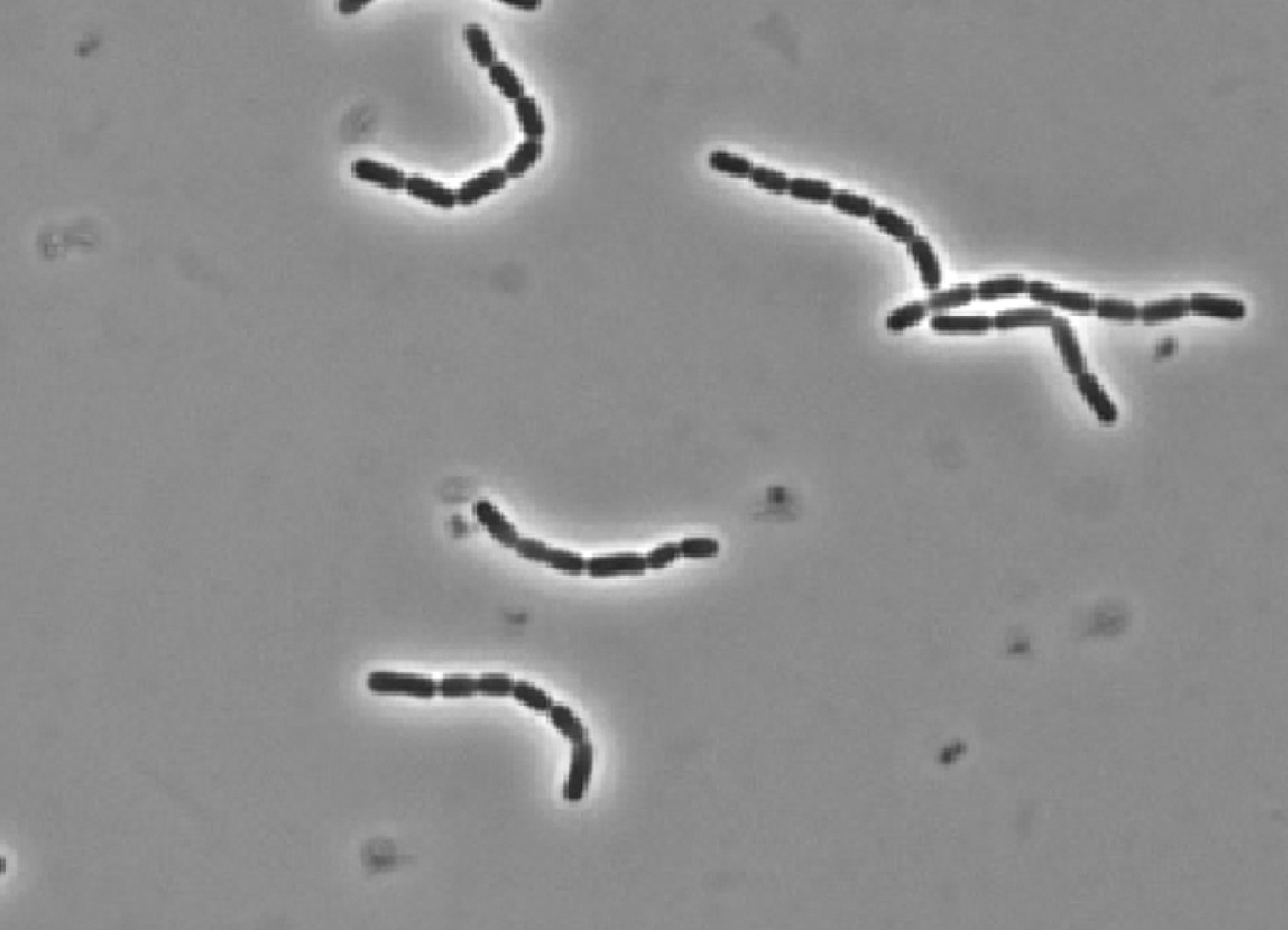
Lactobacillus rhamnosus
Freeze-dried Lacticaseibacillus rhamnosus culture in bulk, standardised to 100-300 billion CFU/g. Acid- and bile-tolerant species for capsules, sticks and dairy drinks, supplied with strain and allergen status per lot.
Lactobacillus plantarum
Freeze-dried Lactiplantibacillus plantarum culture in bulk, standardised to 100-300 billion CFU/g. A plant-ferment species suited to vegan formats, supplied with strain designation and allergen status per lot.