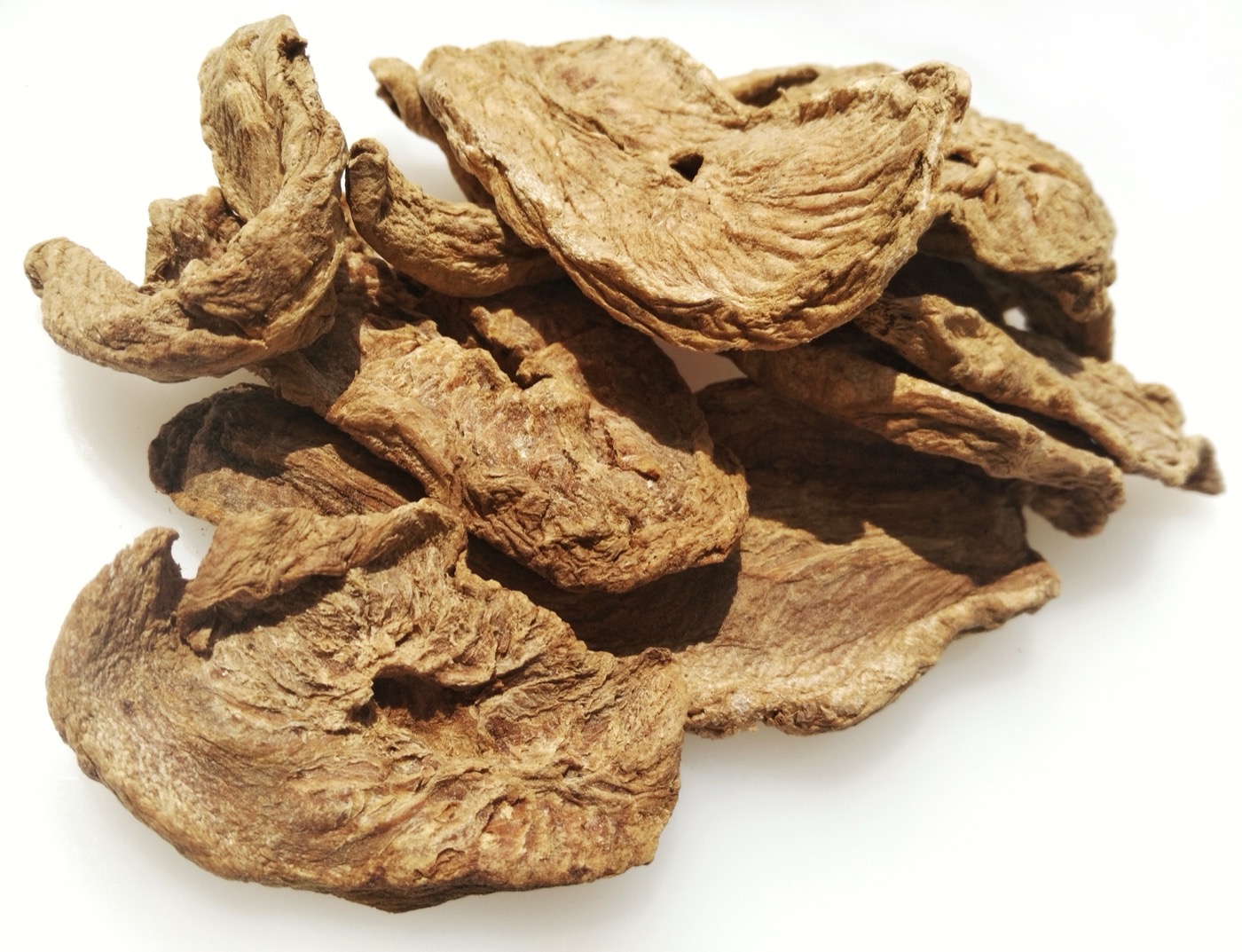
Inulin (Chicory Root)
Chicory-derived fructan supplied as a free-flowing white powder, inulin 90% minimum on a dry basis with an average degree of polymerisation of 10-12. Vegan, allergen-free and declarable as dietary fibre.
Specifications
| Chemical identity | Inulin, a beta-(2,1)-linked fructose polymer terminating in a glucose residue. CAS 9005-80-5. No INS number or E number assigned |
| Botanical source | Cichorium intybus L. (chicory) root, family Asteraceae/Compositae; hot-water diffusion extraction, purification and spray drying |
| Assay / standardisation | Inulin 90% minimum on dry basis for native grade, by HPAEC-PAD; long-chain HP grades produced by removing the DP 10-and-under fraction |
| Chain length | Degree of polymerisation 2-60; native chicory inulin averages DP 10-12. FCC states the commercial range as DP 3 to 60, longer chains predominating |
| Free sugars | Glucose plus fructose plus sucrose typically 6-10% on dry basis in native grade; markedly lower in long-chain HP grades |
| Appearance | White to off-white free-flowing powder, near-neutral odour, bland to faintly sweet; forms a white creamy fat-like gel at high solids |
| Solubility | Very soluble in hot water, slightly soluble in cold water, almost insoluble in most organic solvents (Food Chemicals Codex) |
| Purity limits | Loss on drying 5.0% maximum; lead not more than 1 mg/kg per current Food Chemicals Codex; As/Cd/Hg, TPC, yeast and mould, E. coli and Salmonella to buyer spec |
| Nutritional function | Not hydrolysed by human digestive enzymes; contributes about 25-35% of the food energy of a digestible carbohydrate |
| Allergen status | Free from milk, egg, fish, crustacean, mollusc, soybean, wheat and gluten grains, peanut, tree nut, sesame, celery, mustard, lupin and sulphites |
| Origin status | Vegan and vegetarian. No bovine, porcine or marine input; not from a bioengineered crop. Botanically an Asteraceae (Compositae) plant |
| Regulatory status | US GRAS for chicory inulin via FDA GRN 118 (no-questions letter); on FDA's 2018 list of fibres declarable as dietary fibre |
| Shelf life and storage | 24 months typical from manufacture, unopened, below 25 C and 65% RH; hygroscopic, so keep sealed and dispense under humidity control |
| HS code | 1108.20.00 (India ITC-HS 11082000) - inulin is named in the tariff by name; see classification note |
Applications
Available grades
Native (standard) inulin at 90% minimum on dry basis, average DP 10-12; long-chain HP inulin with the DP 10-and-under fraction removed, for gelling and fat replacement; instant/agglomerated grade for cold-water dispersion; oligofructose (DP 2-10) where a sweeter and more soluble fraction is wanted; organic-certified and non-GMO grades; kosher and halal certification on request.
Related products
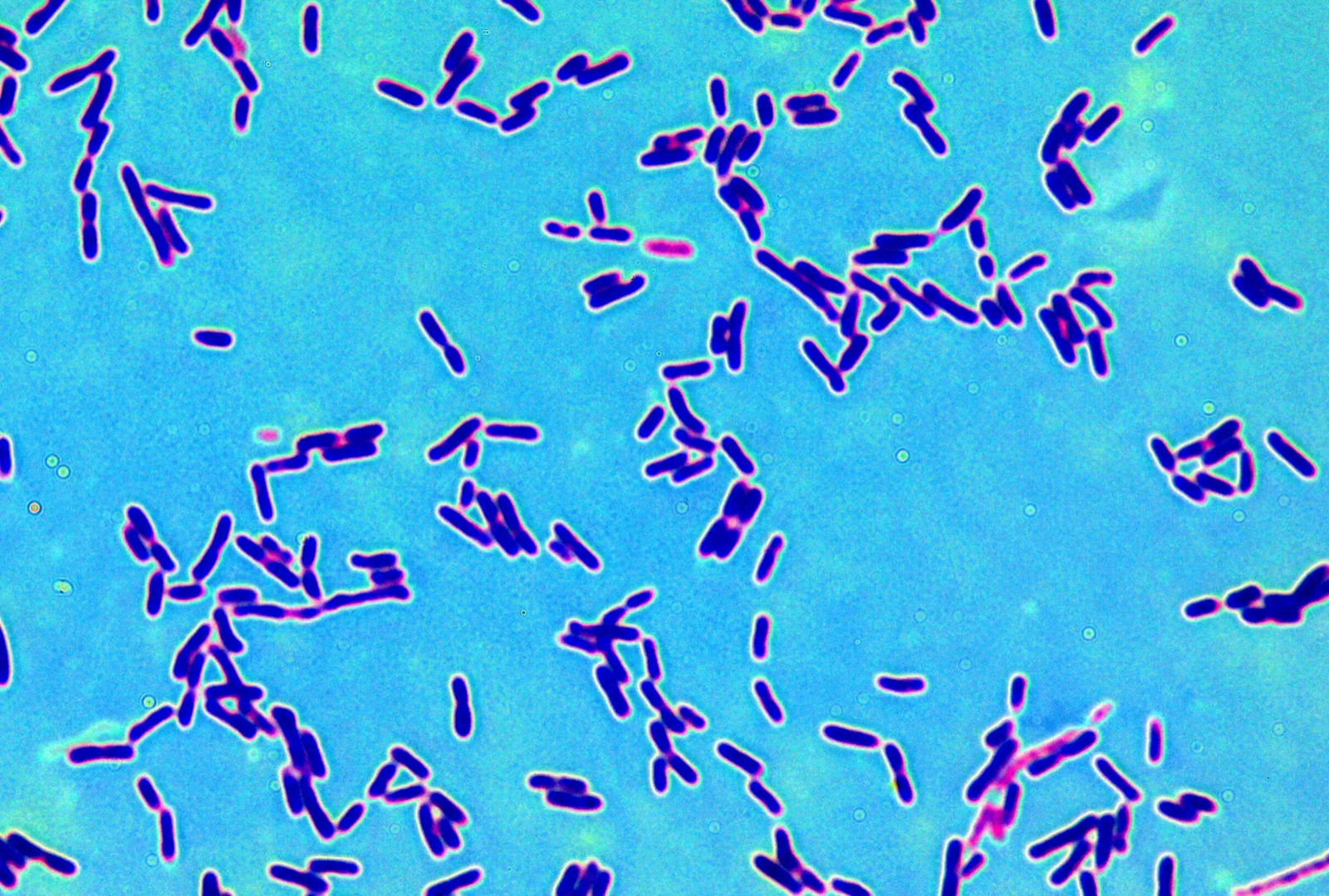
Lactobacillus acidophilus
Freeze-dried Lactobacillus acidophilus culture in bulk for supplement and fermented-dairy manufacturers, standardised to 100-300 billion CFU/g with strain designation, allergen status and viable count certified per lot.
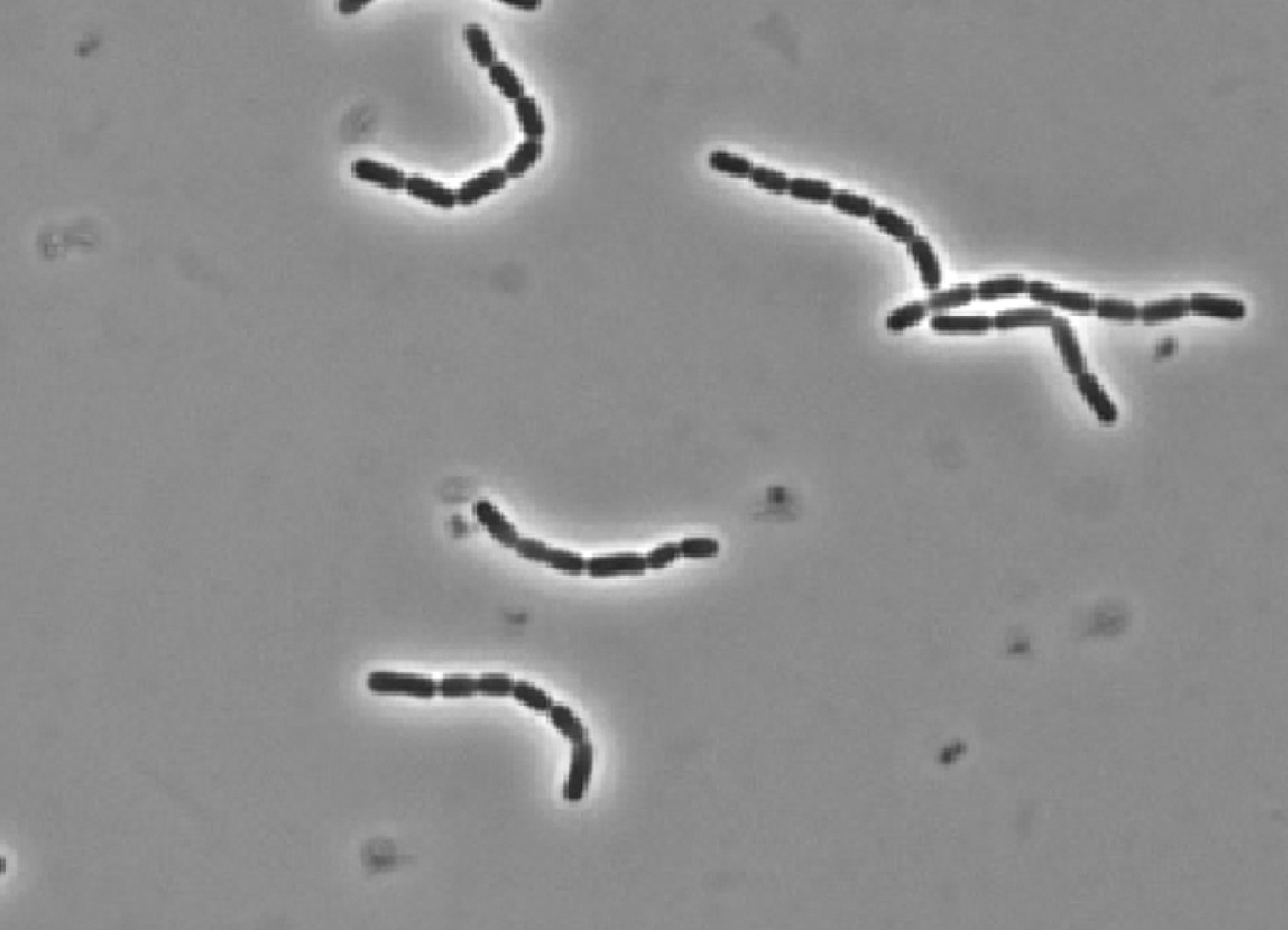
Lactobacillus rhamnosus
Freeze-dried Lacticaseibacillus rhamnosus culture in bulk, standardised to 100-300 billion CFU/g. Acid- and bile-tolerant species for capsules, sticks and dairy drinks, supplied with strain and allergen status per lot.
Lactobacillus plantarum
Freeze-dried Lactiplantibacillus plantarum culture in bulk, standardised to 100-300 billion CFU/g. A plant-ferment species suited to vegan formats, supplied with strain designation and allergen status per lot.