Galacto-oligosaccharides (GOS)
Bulk GOS powder and syrup made by enzymatic transgalactosylation of milk lactose, at 57, 70 or 90% GOS on dry matter. Milk-derived, so it carries a milk allergen declaration and residual lactose.
Specifications
| Identity | Mixture of galactosyl chains of DP 2 to 8, most with a terminal glucose unit. No single CAS number applies, as the material is a multi-component oligosaccharide mixture |
| Manufacturing route | Transgalactosylation of lactose by beta-galactosidase (EC 3.2.1.23), enzyme heat-inactivation, decolourisation, demineralisation, chromatographic enrichment, spray drying |
| Assay - GOS 90 grade | GOS 90% min. on dry matter; lactose 10% max., glucose 3% max., galactose 1% max. |
| Assay - GOS 70 grade | GOS 70% min. on dry matter; lactose plus monosaccharides 32% max. on dry matter. A 57% grade is also carried |
| Appearance and solubility | White to off-white free-flowing powder, free of visible foreign matter, readily and completely water soluble; also supplied as a clear to pale syrup |
| Moisture, ash and pH | Moisture 3.5% max. (GOS 90) or 5.0% max. (GOS 70); sulphated ash 0.5% max.; pH 2.8 to 6.0 in solution |
| Sweetness and process stability | Roughly 20 to 40% the sweetness of sucrose; does not decompose at pH 2.0 or on heating to 180 C, so it survives acid beverages, retort and baking |
| Heavy metals | Lead 1.0 mg/kg max., arsenic 0.5 mg/kg max.; cadmium and mercury tested to the buyer's agreed limits |
| Microbiology | Salmonella and E. coli absent; yeast 25 CFU/g max. and mould 25 CFU/g max.; total plate count and coliforms to agreed limits |
| Allergen status | MILK. Made from bovine milk lactose, so a milk allergen declaration is mandatory. Residual lactose rules out a lactose-free claim on any grade without buyer assessment |
| Origin and dietary status | Bovine dairy origin: vegetarian but not vegan; kosher dairy, not pareve. No egg, soy, fish, crustacean, gluten, nut, bovine gelatin or porcine input |
| Regulatory position | EU Reg 2016/127 allows FOS plus GOS to 0.8 g/100 mL in infant and follow-on formula at a 90:10 ratio; FDA 2018 guidance permits declaration as dietary fibre |
| Shelf life and storage | 24 months from manufacture in unopened original packaging below 25 C and 65% RH. Hygroscopic: reseal promptly and keep away from steam and washdown areas |
| HS code | 1702.90.90 (India ITC-HS 17029090), not the sheet's 21069099; see the classification note |
Applications
Available grades
Spray-dried powder at 57%, 70% and 90% GOS on dry matter; syrup at roughly 75% solids; low-lactose 90% grade for infant and clinical formats; agglomerated instant grade for cold-water dispersion; organic-certified and non-GMO builds; kosher dairy and halal certification on request; infant-grade lots run to the buyer's own tightened heavy metal and microbiological limits.
Related products
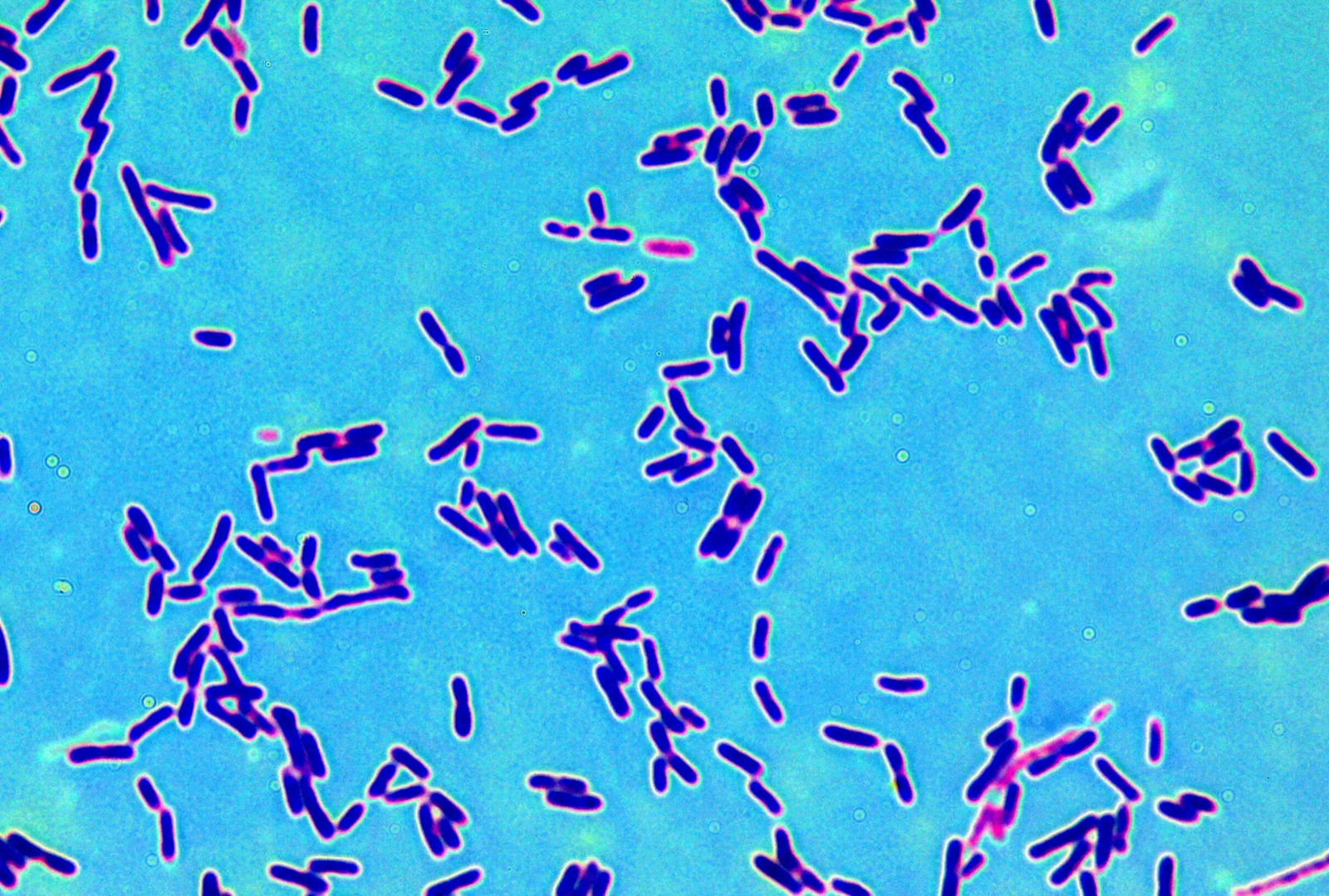
Lactobacillus acidophilus
Freeze-dried Lactobacillus acidophilus culture in bulk for supplement and fermented-dairy manufacturers, standardised to 100-300 billion CFU/g with strain designation, allergen status and viable count certified per lot.
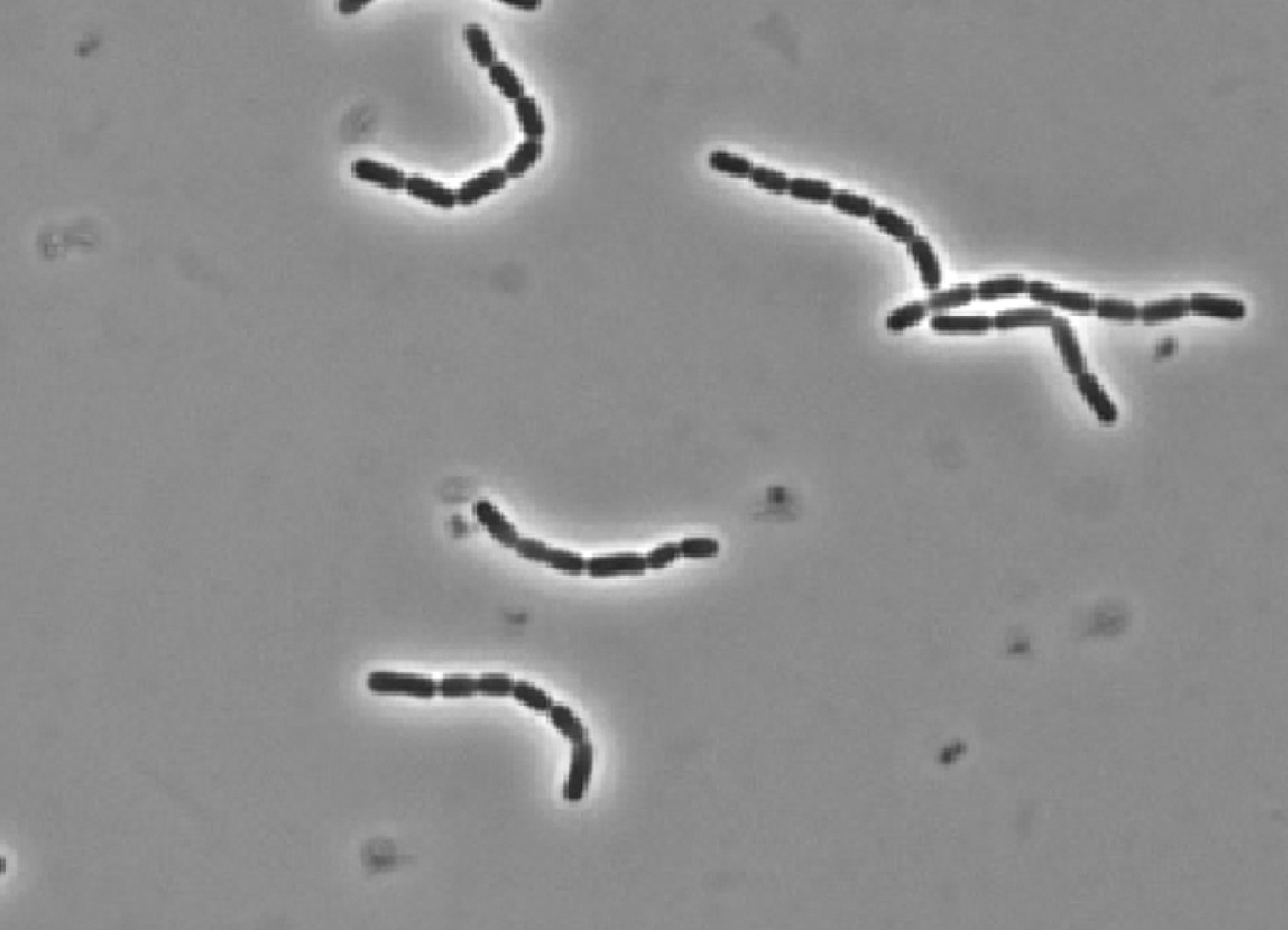
Lactobacillus rhamnosus
Freeze-dried Lacticaseibacillus rhamnosus culture in bulk, standardised to 100-300 billion CFU/g. Acid- and bile-tolerant species for capsules, sticks and dairy drinks, supplied with strain and allergen status per lot.
Lactobacillus plantarum
Freeze-dried Lactiplantibacillus plantarum culture in bulk, standardised to 100-300 billion CFU/g. A plant-ferment species suited to vegan formats, supplied with strain designation and allergen status per lot.