Fructo-oligosaccharides (FOS)
Short-chain fructans (GF2 to GF4) at 95% minimum on dry matter, made either by transfructosylation of sucrose or by controlled hydrolysis of chicory inulin. Vegan, free-flowing, mildly sweet powder.
Specifications
| Chemical identity | Fructo-oligosaccharides: 1-kestose (GF2), nystose (GF3) and 1F-fructofuranosylnystose (GF4), beta-(2 to 1) linked. CAS 308066-66-2 |
| Manufacturing route | Transfructosylation of sucrose by Aspergillus beta-fructofuranosidase (short-chain FOS), or controlled enzymatic hydrolysis of chicory inulin |
| Assay / standardisation | Total FOS 95.0% minimum on dry matter for P-type powder; G-type syrup grade runs near 55% with glucose and sucrose as the balance |
| Oligomer profile | GF2 45-65%, GF3 20-45%, GF4 up to 10% on dry matter per GB/T 23528; degree of polymerisation 2-7, averaging about 2.7 |
| Residual sugars, ash and pH | Glucose plus fructose plus sucrose 5.0% maximum on dry matter; sulphated ash 0.1% maximum; pH 4.5-7.0 in 10% aqueous solution |
| Appearance and taste | White to off-white free-flowing powder; clean sweetness at roughly 30-50% the intensity of sucrose, with no lingering aftertaste |
| Solubility | Freely soluble in water; dissolves readily in cold liquids, which suits sachet and ready-to-mix beverage formats |
| Purity limits | Moisture 5.0% maximum; lead 0.5 mg/kg maximum, arsenic 1 mg/kg maximum, total aerobic count 1000 CFU/g maximum per GB/T 23528, or buyer spec where stricter |
| Allergen status | Free from milk, egg, fish, crustacean, mollusc, soybean, wheat and gluten grains, peanut, tree nut, sesame, celery, mustard, lupin and sulphites |
| Origin status | Vegan and vegetarian; no bovine, porcine or marine input. Sucrose route from cane or beet; inulin route from chicory (Asteraceae) |
| Processing aid | Fungal beta-fructofuranosidase from Aspergillus is inactivated and removed downstream; enzyme and processing-aid statement issued on request |
| Regulatory status | FDA no-questions letters issued on FOS GRAS notices from GRN 44 (short-chain FOS, November 2000) through GRN 623, 797 and 990 |
| Shelf life and storage | 24 months typical, unopened, below 25 C and 65% RH, out of direct sunlight. Markedly hygroscopic - reclose promptly after part use |
| HS code | 2940.00.00 (India ITC-HS 29400000) as a sugar ether under Chapter 29 Note 1(c); see classification note |
Applications
Available grades
P-type spray-dried powder at 95% minimum FOS on dry matter; commercial 90% and 55% powder grades; G-type syrup at roughly 55% FOS on solids; short-chain FOS by the sucrose and Aspergillus enzyme route, or oligofructose by hydrolysis of chicory inulin; organic-certified grades; kosher and halal certification on request; agglomerated grade for improved cold-water dispersion.
Related products
Lactobacillus acidophilus
Freeze-dried Lactobacillus acidophilus culture in bulk for supplement and fermented-dairy manufacturers, standardised to 100-300 billion CFU/g with strain designation, allergen status and viable count certified per lot.
Lactobacillus rhamnosus
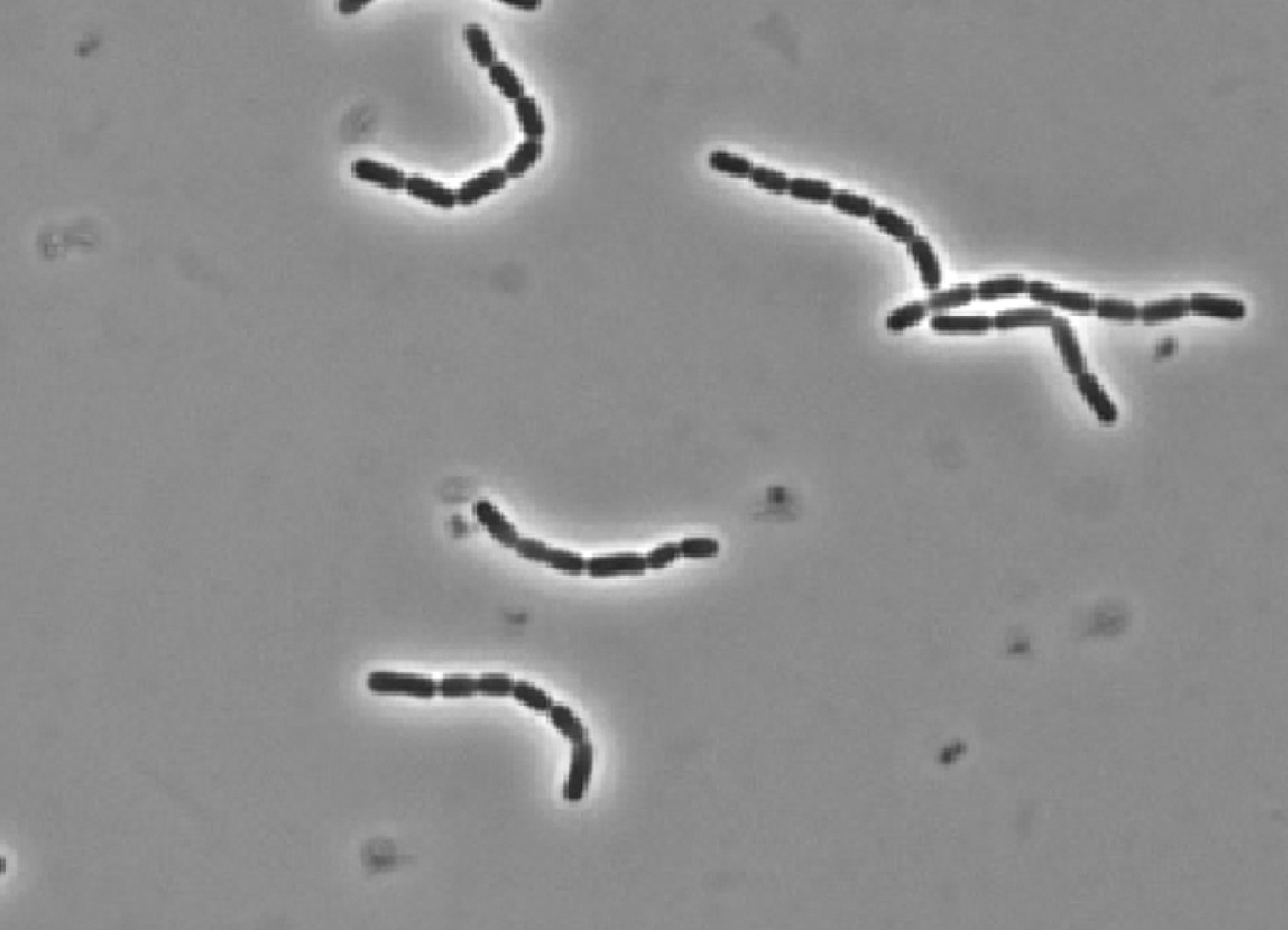
Freeze-dried Lacticaseibacillus rhamnosus culture in bulk, standardised to 100-300 billion CFU/g. Acid- and bile-tolerant species for capsules, sticks and dairy drinks, supplied with strain and allergen status per lot.
Lactobacillus plantarum
Freeze-dried Lactiplantibacillus plantarum culture in bulk, standardised to 100-300 billion CFU/g. A plant-ferment species suited to vegan formats, supplied with strain designation and allergen status per lot.