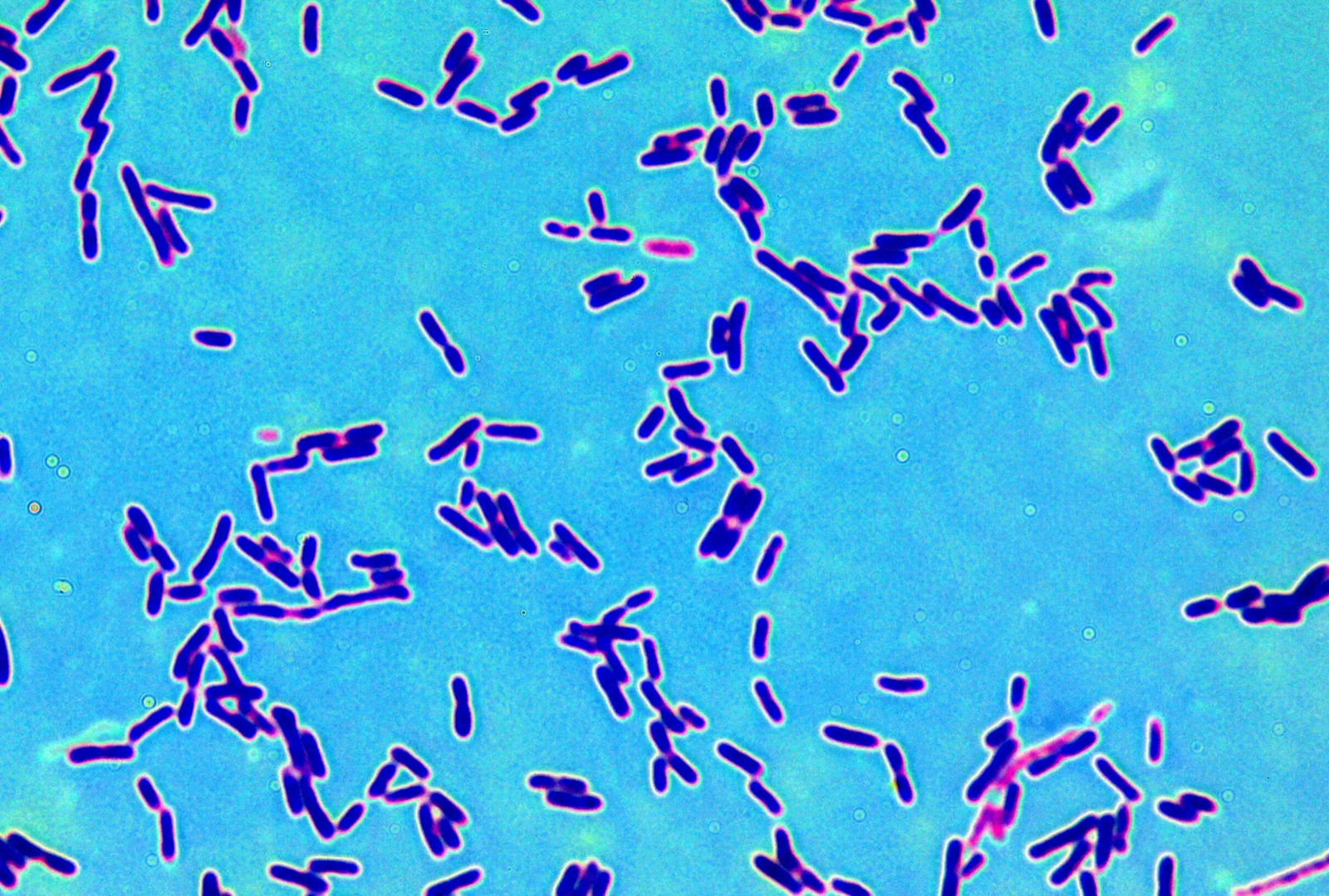
Bifidobacterium longum
Live freeze-dried Bifidobacterium longum, subspecies specified on order, CFU-standardised and supplied as bulk culture or finished capsules for supplement and functional food manufacture.
Specifications
| Organism | Bifidobacterium longum Reuter 1963 (Approved Lists 1980). Subspecies must be stated on the order: longum, infantis, suis, suillum or iuvenis. |
| Species reference strain | ATCC 15707 = DSM 20219 = JCM 1217 = CIP 64.62 = LMG 10497. Named commercial example: subsp. longum BB536 = ATCC BAA-999, isolated June 1969. |
| Classification | Family Bifidobacteriaceae, order Bifidobacteriales, phylum Actinomycetota; genome about 2.26 Mb at 59.9–60 mol% G+C. Gram-positive, non-motile, often Y-shaped rod. |
| Subspecies note | subsp. longum and subsp. infantis are commercially distinct: infantis is the human-milk-oligosaccharide specialist and is documented and priced separately. |
| Metabolism and oxygen | Strict anaerobe; ferments hexoses through the fructose-6-phosphate (bifid) shunt, the genus's diagnostic pathway, yielding acetate and lactate. |
| Form and appearance | Live freeze-dried (lyophilised) culture: off-white to pale beige free-flowing powder, filled into capsules. Faint fermented odour, no off-notes. |
| Standardisation | Declared in colony-forming units (CFU); bulk culture commonly at 1 × 10¹¹ CFU/g, capsule strength to your dose. FSSAI floor is 10⁸ CFU per daily serving. |
| Capsule shell | HPMC (hypromellose) vegetarian/vegan shell as standard; bovine gelatin shell on request. Shell material stated on the agreed specification. |
| Handling sensitivity | Oxygen-, moisture- and heat-sensitive. Blend, encapsulate and blister under low humidity with reduced headspace oxygen; avoid prolonged ambient holding. |
| Carrier and excipients | Cryoprotectant plus carrier (maltodextrin and/or microcrystalline cellulose) and flow agents as agreed; full declaration on each certificate of analysis. |
| Purity testing | Strain and subspecies identity, viable count, moisture, water activity, heavy metals, coliforms, yeast and mould and pathogen absence tested per lot. |
| Allergen status | Bifidobacterial media often carry milk-derived peptones or whey, less often soy. Dairy-free and soy-free grades available; status declared per lot. |
| Dietary status | Microbial origin — not bovine, porcine, marine, egg or crustacean derived. Vegan with HPMC shell and dairy-free medium; vegetarian otherwise. Gluten-free. |
| Storage, shelf life | 2–8 °C, dry, sealed, out of light; −18 °C for extended holding. Shelf life stated against end-of-life CFU. |
| HS code | 3002 49 10 (India), GST 12% |
Applications
Available grades
Food and nutraceutical grade live culture, subspecies specified on the order. Potency grades to order, commonly 1 × 10¹¹ CFU/g bulk; capsule strengths to your dose. Capsule shell: HPMC (vegan) or bovine gelatin. Media options: standard, dairy-free, soy-free. Named production strain quoted with its deposit number. Non-GMO; Halal and Kosher certification available on request. Specification, allergen declaration, AMR screening and stability data supplied per lot.
Related products
Lactobacillus acidophilus
Freeze-dried Lactobacillus acidophilus culture in bulk for supplement and fermented-dairy manufacturers, standardised to 100-300 billion CFU/g with strain designation, allergen status and viable count certified per lot.
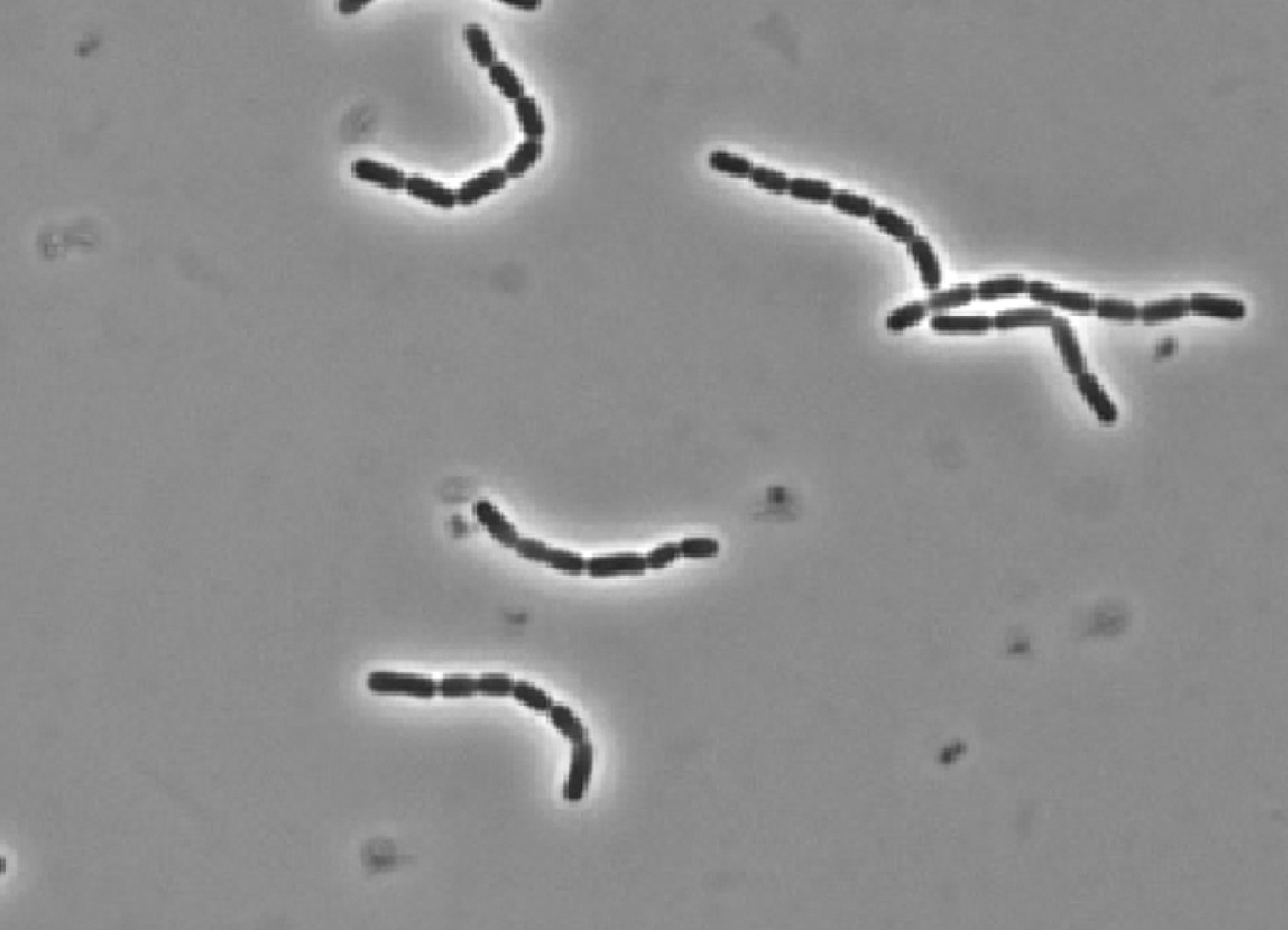
Lactobacillus rhamnosus
Freeze-dried Lacticaseibacillus rhamnosus culture in bulk, standardised to 100-300 billion CFU/g. Acid- and bile-tolerant species for capsules, sticks and dairy drinks, supplied with strain and allergen status per lot.
Lactobacillus plantarum
Freeze-dried Lactiplantibacillus plantarum culture in bulk, standardised to 100-300 billion CFU/g. A plant-ferment species suited to vegan formats, supplied with strain designation and allergen status per lot.