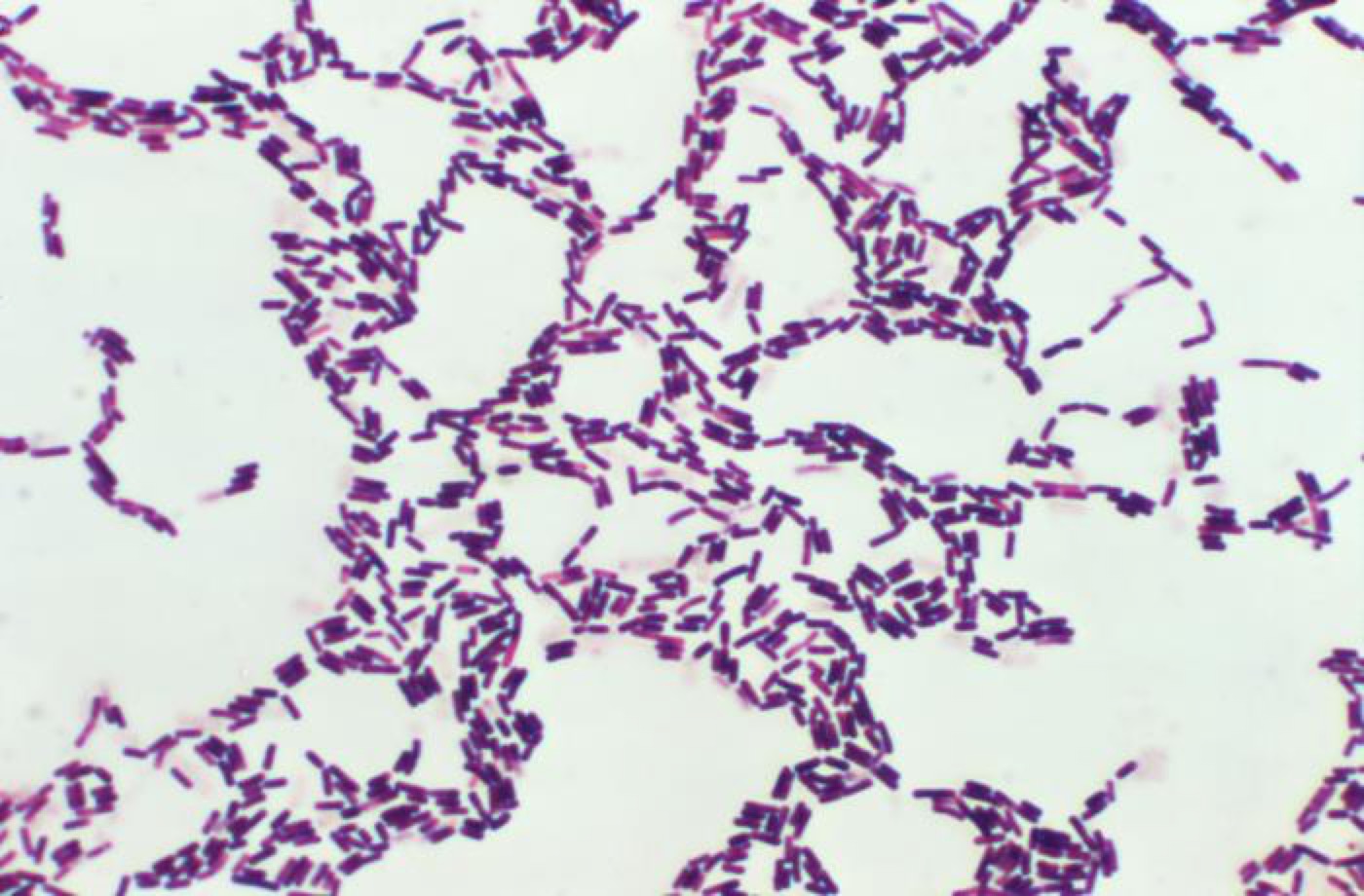
Bacillus coagulans
Spore-form Bacillus coagulans powder standardised on maltodextrin at 1, 6 and 15 billion CFU/g, with unstandardised concentrate available. Heat and tableting stable, vegan, non-GMO. Bulk from India.
Specifications
| Organism | Bacillus coagulans. Current valid name Heyndrickxia coagulans (transferred to Weizmannia 2020, to Heyndrickxia 2023) |
| Historic synonym | Formerly described as Lactobacillus sporogenes (Bergey's Manual, 5th ed., 1935). It is not a Lactobacillus — do not label it as one |
| Strains available | MTCC 5856, GBI-30 6086, Unique IS-2 and SNZ 1969 subject to licence; non-deposited house strain where no strain dossier is needed |
| Viable count | Standardised on maltodextrin at 1, 6 or 15 billion CFU/g. Unstandardised spore concentrate at substantially higher counts on enquiry |
| Microbiology | Gram-positive, facultatively anaerobic, endospore-forming rod. Growth about 30–55 °C, optimum near 50 °C. Homofermentative, yields L(+)-lactic acid |
| Form and appearance | Off-white to light cream free-flowing powder; spray-dried or freeze-dried spore preparation, effectively odourless |
| Process stability | Published in vitro work reports spore tolerance of gastric fluid at pH 2.0, bile salts and heat to about 85 °C; suits tableting, baking and hot-fill |
| Carrier | Maltodextrin, maize-derived as standard. Tapioca or rice maltodextrin available where a corn-free declaration is required |
| Microbiological purity | Salmonella, E. coli, S. aureus absent in the specified sample size; coliforms, yeasts and moulds within FSSAI limits for probiotic raw material |
| Heavy metals | Lead, arsenic, cadmium and mercury within FSSAI and Codex limits for food ingredients; reported per lot |
| Allergen status | Not derived from milk, egg, fish, crustacean, peanut or tree nut. Request the lot-specific soy and cereal-gluten declaration for the fermentation medium |
| Origin and dietary status | Microbial origin — not bovine, porcine or marine. Vegan and vegetarian suitable, non-GMO, halal and kosher documentation available |
| Regulatory | EFSA Qualified Presumption of Safety since 2007; MTCC 5856 and GBI-30 6086 hold US FDA GRAS notifications. FSSAI Schedule VII strain labelling applies in India |
| Storage, shelf life | 24 months at 25 °C or below, dry and sealed; cool storage extends potency. |
| HS code | 3002.49 (30024910) |
| HS code | 3002.49 (30024910) |
Applications
Available grades
Maltodextrin-standardised spore powder at 1, 6 and 15 billion CFU/g; unstandardised concentrate for in-house blending. Named licensed strains (MTCC 5856, GBI-30 6086, Unique IS-2, SNZ 1969) or non-deposited house strain. Direct-compression, gummy-slurry and beverage-dispersible grades differ in particle size and flow — specify the process. Corn-free carrier, halal, kosher and non-GMO lots available.
Related products
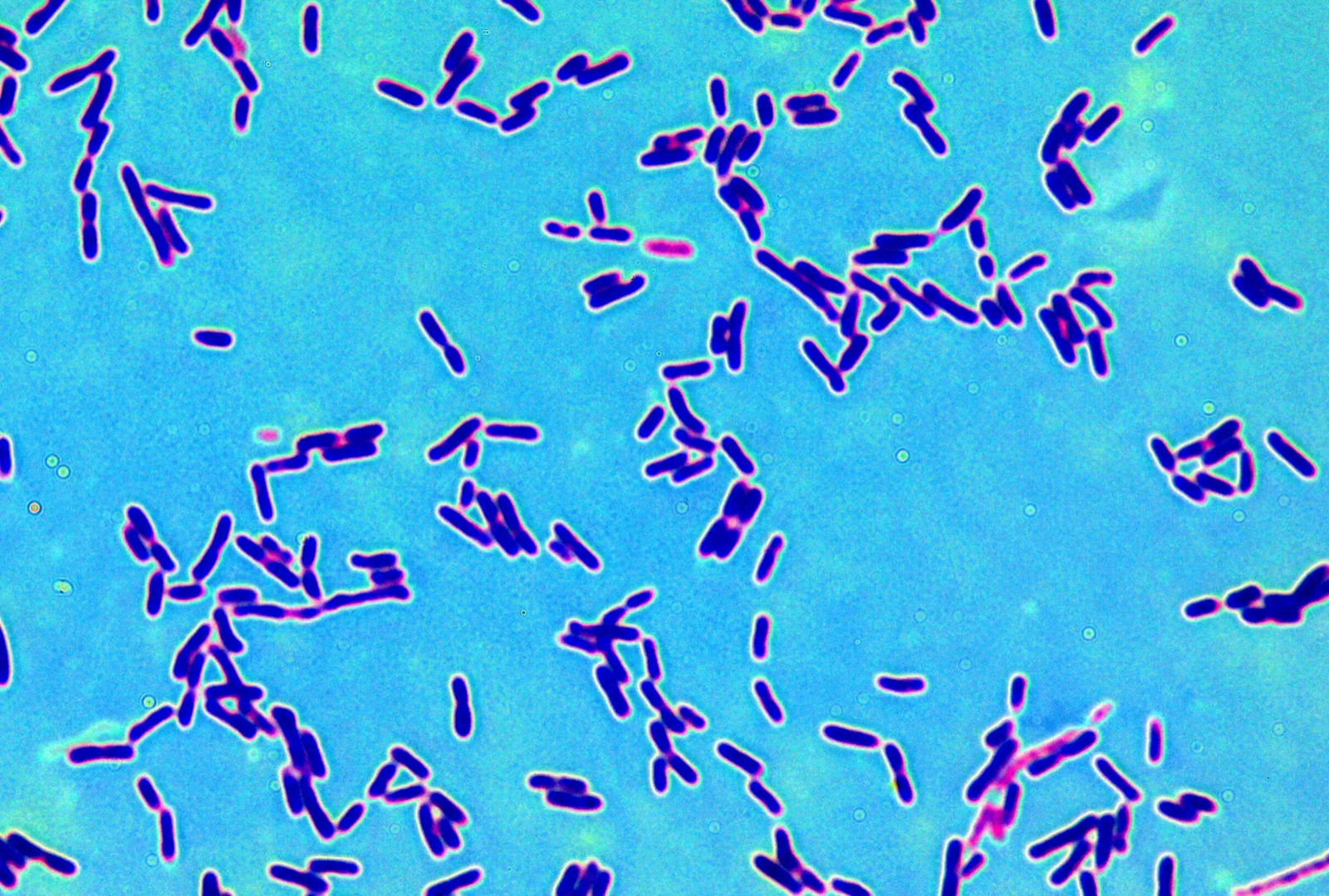
Lactobacillus acidophilus
Freeze-dried Lactobacillus acidophilus culture in bulk for supplement and fermented-dairy manufacturers, standardised to 100-300 billion CFU/g with strain designation, allergen status and viable count certified per lot.
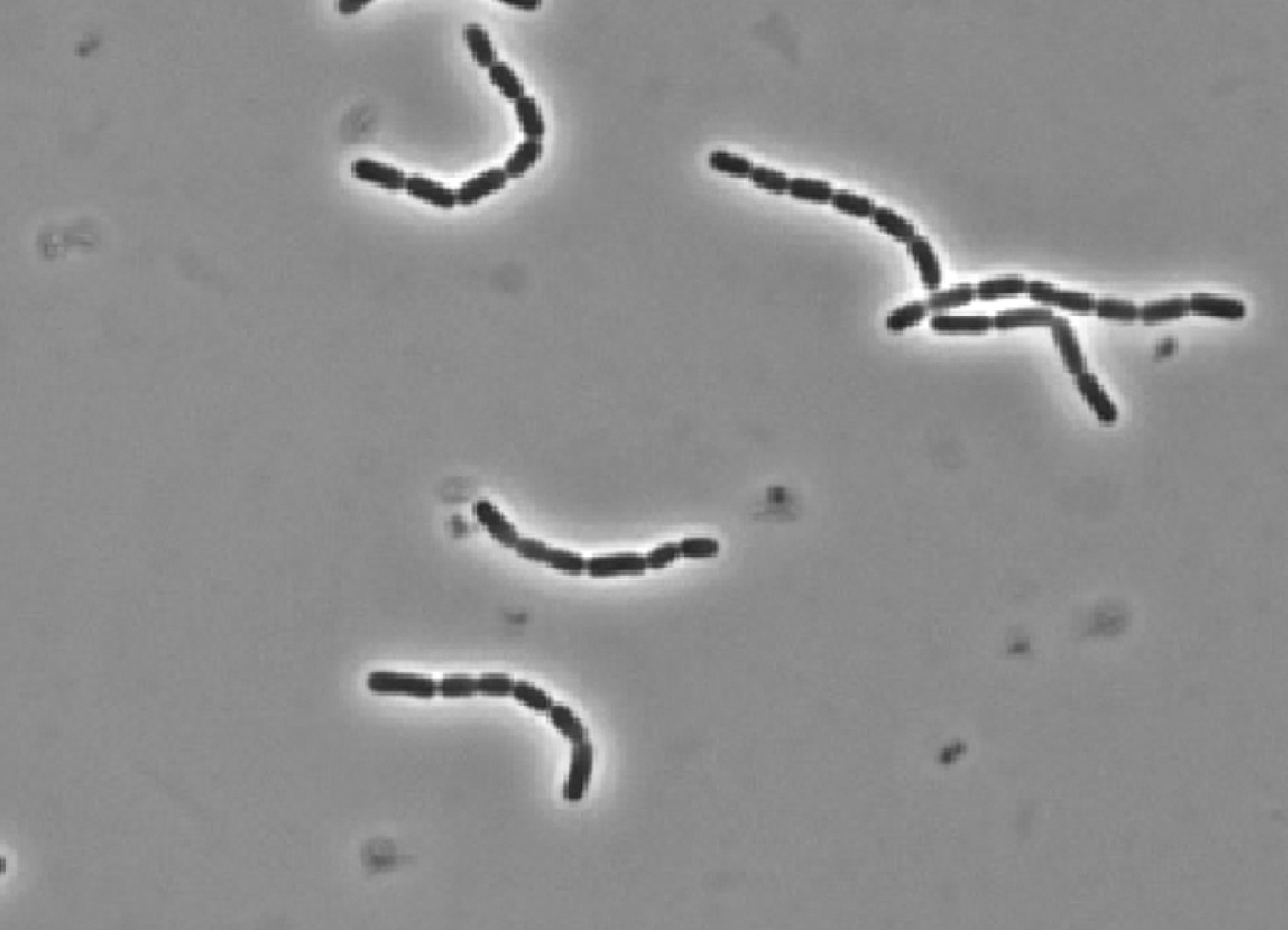
Lactobacillus rhamnosus
Freeze-dried Lacticaseibacillus rhamnosus culture in bulk, standardised to 100-300 billion CFU/g. Acid- and bile-tolerant species for capsules, sticks and dairy drinks, supplied with strain and allergen status per lot.
Lactobacillus plantarum
Freeze-dried Lactiplantibacillus plantarum culture in bulk, standardised to 100-300 billion CFU/g. A plant-ferment species suited to vegan formats, supplied with strain designation and allergen status per lot.